Author: basim

  • Persian

    Persian

    The Persian is a medium-sized pedigree cat known for a long, abundant coat, rounded body, and quiet companionship. Its beauty comes with substantial daily care. Coat maintenance, eye cleaning, temperature control, dental attention, and monitoring of breathing are routine responsibilities, especially in cats with very shortened faces.

    Persian at a glance: medium, sturdy cat; long dense coat; generally calm activity; daily combing and facial care; life expectancy often around 8–11 years in registry guidance, with wide individual variation.

    Is a Persian right for you?

    A Persian may suit someone who wants a gentle indoor companion and can commit to grooming every day. Many enjoy quiet play, predictable routines, and resting near people. The breed is not low maintenance: missed grooming can quickly lead to painful mats, and some cats need regular professional grooming.

    Prospective owners should also consider facial structure. Extreme brachycephaly, or a very flat face, can be associated with breathing, eye, dental, and heat-tolerance problems. Choose a cat able to breathe quietly, close its mouth normally, move comfortably, and keep healthy eyes. Appearance should never take priority over function.

    Size, lifespan, coat, and appearance

    Trait Typical Persian
    Size Medium, with males usually larger than females
    Life expectancy Often around 8–11 years in breed guidance, but genetics and care create wide variation
    Coat Long, full, and dense with a substantial ruff and tail plume
    Build Compact, sturdy body with short legs and a rounded head
    Colors Many solids, tabbies, bicolors, shaded colors, smokes, and pointed patterns

    Coat color does not determine health or temperament. A longhaired round-faced cat is not automatically a Persian; pedigree records establish breed identity. Traditional and more extreme facial types exist. Whatever the type, open nostrils, comfortable breathing, healthy eyes, and functional jaws are essential welfare considerations.

    Temperament and family compatibility

    Persians are often described as gentle, quiet, and affectionate. Many prefer a calm home and short play sessions over constant action. Individual cats still vary, and handling tolerance should never be assumed from breed or appearance.

    They can live with respectful children and compatible pets after gradual introductions. Teach children to support the body, stop when the cat turns away, and leave sleeping or eating cats alone. Provide high resting places and a quiet retreat. Introduce animals through scent exchange, barriers, separate resources, and brief supervised meetings.

    Exercise and indoor enrichment

    Persians may be placid, but daily activity supports muscle, mobility, digestion, and healthy weight. Offer several short sessions with wand toys, rolling toys, tunnels, and food puzzles. Place sturdy steps or low platforms where a cat with shorter legs can climb without difficult jumps.

    Rotate toys and use small food rewards for carrier training, recall, or cooperative grooming. Keep string and feather toys stored after supervised play. Secure screens, balconies, lilies, medicines, cleaners, thread, and small objects that can be swallowed.

    Persians are safest indoors or in a secure catio. Their coat can collect debris, and a shortened muzzle may reduce heat tolerance. Avoid hot, humid exposure and ensure cool resting areas and fresh water. Free roaming also creates risks from vehicles, fights, disease, toxins, theft, and wildlife conflict.

    Feeding and healthy weight

    Feed a complete and balanced cat food appropriate for life stage and health. Measure meals and monitor body condition beneath the coat, which can hide weight gain or loss. Ribs should be easy to feel under a light covering, and changes in appetite or weight warrant attention.

    Some flat-faced cats find deep or narrow dishes awkward. A wide, shallow bowl may be easier, but difficulty picking up food or chewing needs veterinary assessment. Fresh water should always be available. Homemade diets require formulation by a qualified veterinary nutritionist.

    Weight loss in cats should be gradual and professionally guided because rapid restriction can cause serious illness. Adjust calories after neutering or changes in activity, age, or health.

    Daily coat and facial care

    Comb the coat to the skin every day with tools suited to the cat’s coat. Pay special attention behind the ears, under the legs, around the chest, belly, and trousers. Begin handling in kittenhood with brief rewards. A surface brush may miss tangles forming close to the skin.

    Never cut tight mats with scissors because thin cat skin can be pulled into them. A veterinarian or experienced feline groomer can remove severe mats safely. Bathing needs vary by coat and lifestyle; any shampoo must be cat-safe and the coat should be dried thoroughly without overheating.

    Wipe facial folds and tear staining gently with a clean damp pad, using a fresh area for each eye. Persistent discharge, redness, squinting, cloudiness, rubbing, odor, or skin soreness needs veterinary assessment. Cosmetic staining should not be mistaken for harmlessness when discomfort is present.

    Teeth, nails, and litter care

    Brush teeth with cat toothpaste and arrange dental assessment when advised. Shortened jaws can crowd teeth and make disease harder to notice. Bad breath, drooling, bleeding gums, dropping food, or reluctance to eat requires care.

    Trim nails and provide stable scratchers. Supply one roomy litter box per cat plus one extra in separate quiet places. Scoop daily, as long coat may retain litter or waste. Sudden soiling, straining, frequent box visits, or vocalizing can signal urinary or digestive disease rather than misbehavior.

    Breathing, heat, and veterinary care

    A healthy Persian should breathe comfortably at rest without persistent open-mouth breathing, loud effort, repeated gagging, or blue gums. Flat-faced cats can have narrowed nostrils and crowded upper airways. Heat, stress, obesity, and exertion may worsen breathing difficulty.

    Keep the home cool during hot weather, use a secure ventilated carrier, and avoid stressful travel at peak heat. Open-mouth breathing in a cat is an emergency unless it ends immediately after a very brief stress and a veterinarian has advised otherwise. Seek urgent help for labored breathing, collapse, blue or pale gums, inability to urinate, seizures, or suspected poisoning.

    Responsible breeding programs should discuss family history and documented screening relevant to their lines, including kidney and cardiac health. A single genetic test cannot replace examination or imaging where indicated. Routine care includes vaccination based on exposure, parasite prevention, dental care, and regular examinations.

    Reproduction, neutering, and welfare

    Breeding requires mature cats with stable behavior, functional facial structure, appropriate health results, compatible pedigrees, and resources for pregnancy, birth, emergencies, neonatal care, and lifelong placement support. Cats with significant breathing, eye, or dental impairment should not be selected to intensify those traits.

    Discuss spaying or neutering with a veterinarian according to health and pregnancy-prevention needs. Until then, securely separate intact males and females whenever mating is possible. Check local licensing, identification, breeding, and housing rules.

    Declawing removes part of each toe and should not be used as a routine answer to scratching. Provide suitable scratchers, nail care, and reward-based training instead.

    Choosing a kitten or rescue Persian

    A responsible breeder should explain grooming, facial care, pedigree, health results, social development, vaccination, contract terms, and their return policy. Observe the adults breathing and moving. Avoid sellers promoting the flattest possible face, “teacup” size, guaranteed health, or immediate shipping without screening the home.

    Persians and longhaired mixes also enter shelters and rescues. Ask what is known about pedigree rather than relying on appearance. Review breathing, eyes, teeth, skin, coat tolerance, litter habits, and compatibility. An adult cat with established care needs can be easier to match accurately.

    Common questions

    Do Persian cats need daily grooming?

    Yes. Most need daily combing to the skin, regular facial care, and sometimes professional grooming to prevent painful mats and skin problems.

    Are Persian cats good family pets?

    Many are gentle companions in calm homes, but children need supervision and every cat’s handling tolerance and personality should be respected.

    Can Persian cats breathe normally?

    Facial structure varies. Cats with extreme flat faces may have narrowed airways, so comfortable quiet breathing and open nostrils are important when choosing and monitoring a Persian.

    Are Persian cats hypoallergenic?

    No. Cat allergens come mainly from saliva and skin secretions, and a long coat does not make the breed allergen-free.

    Should Persian cats live indoors?

    A secure indoor home with daily play, climbing, grooming, cool resting areas, and optional enclosed outdoor access best protects their coat, breathing, and safety.

    For a lower-maintenance coat in a people-focused cat, compare the Russian Blue guide; facial structure and grooming demands differ greatly.

    Sources and image credit

  • Border Collie

    Border Collie

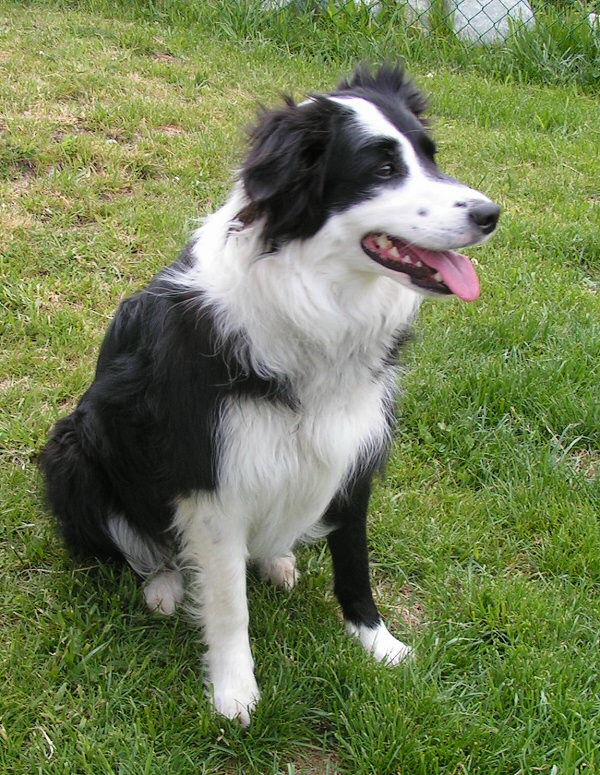
    The Border Collie is an athletic herding breed developed for intense, responsive work with livestock. Its quick learning, sensitivity to movement, and stamina can be rewarding in the right home, but intelligence does not make the breed effortless. A Border Collie needs structured activity, calm skills, social connection, and careful management of chasing and herding behavior. Households comparing focused herding breeds can also review the Australian Shepherd guide, especially its exercise, settling and movement-control needs. For a smaller herding breed with a different build and exercise profile, compare the Pembroke Welsh Corgi guide.

    Border Collie at a glance: medium herding dog; generally 18–22 inches and 30–55 lb; rough or smooth double coat; life expectancy commonly 12–15 years; high need for purposeful exercise, mental work, and reward-based training.

    Is a Border Collie right for you?

    This breed often suits active, experienced households that enjoy daily training, hiking, nose work, herding, agility, obedience, or other shared activities. A yard alone does not meet its needs, and endless ball throwing can build arousal without teaching rest. Owners need time for physical exercise, problem-solving, and calm routines every day.

    Under-stimulated dogs may chase shadows, cars, bicycles, running children, or other pets; bark; dig; escape; or develop repetitive behavior. More exercise is not always the complete answer. Predictable rest, sniffing, impulse control, and activities that let the dog think are equally important.

    Size, lifespan, coat, and appearance

    Trait Typical Border Collie
    Height Generally 18–22 inches at the shoulder
    Weight Generally 30–55 lb, depending on sex and build
    Life expectancy Commonly 12–15 years, with individual variation
    Coat Rough or smooth, both with a weather-resistant double coat
    Build Athletic, balanced, agile, and capable of sustained movement

    Black and white is familiar, but Border Collies occur in many recognized colors and markings. Working ability and health matter more than color, ear carriage, or coat length. A dog that resembles the breed is not necessarily a pedigree Border Collie; reliable records establish identity.

    Temperament and family compatibility

    Border Collies are often highly attentive, trainable, and sensitive to their environment. Some greet strangers readily, while others are reserved. Early positive exposure helps confidence, but temperament varies by individual and line. A responsible match considers energy, noise sensitivity, recovery after surprises, and ability to settle.

    Many can live well with respectful older children. Fast movement and squealing may trigger stalking, circling, chasing, or heel nipping, so adults must supervise and teach alternatives. Children should never climb on, corner, or disturb a resting or eating dog. Give the dog a quiet retreat.

    Introductions to cats and dogs should be gradual. Persistent staring or controlling another animal’s movement can create stress even without physical contact. Small pets require secure separation because herding behavior can include chase and predatory elements.

    Exercise, enrichment, and an off switch

    Healthy adults generally need substantial daily activity divided into walks, free movement in secure areas, training, and purposeful games. Exact needs depend on age, conditioning, health, and working line. Puppies require shorter varied activity with rest, while senior dogs may need lower-impact exercise.

    Useful outlets include scent searches, tracking, food puzzles, herding under skilled supervision, agility foundations, rally, trick training, and controlled retrieve. Build fitness gradually and include warm-up, cool-down, water, and weather awareness. Repetitive sharp turns or high jumps can strain an unconditioned dog.

    Teach relaxation deliberately. Reward the dog for settling on a mat, observing movement calmly, and disengaging from toys. Schedule quiet periods after activity. Constant stimulation can create a dog that is fitter but unable to rest.

    Training and managing movement sensitivity

    Short reward-based sessions use the breed’s rapid learning without creating frustration. Practice recall, loose-leash walking, stationing, leave-it, dropping objects, calm greetings, and waiting at doors. Increase distraction gradually and use a long line before trusting recall in open areas.

    Do not allow chasing of vehicles, cyclists, joggers, livestock, or wildlife. Use secure fencing, a leash, distance from triggers, and trained alternative behaviors. Chasing is dangerous and becomes stronger through rehearsal. Electronic boundaries do not physically prevent escape or stop outside animals from entering.

    Harsh corrections can intensify fear or conflict in a sensitive dog. A qualified reward-based trainer or veterinary behavior professional can help with compulsive behavior, reactivity, guarding, fear, or separation distress.

    Feeding and healthy weight

    Feed a complete and balanced diet appropriate for life stage, workload, and health. Measure portions and count training rewards. Working dogs may need more energy than pets, but visible ribs, loss of stamina, or excess body fat should prompt veterinary review rather than guesswork.

    Monitor body condition monthly. Ribs should be easy to feel under a light covering and a waist should be visible from above. Adjust feeding when activity, age, neuter status, or weather changes. Fresh water must always be available, particularly during training and warm conditions.

    Prevent exercise immediately after a large meal and secure chocolate, xylitol products, grapes, raisins, medicines, and rubbish. Homemade diets require formulation by a qualified veterinary nutritionist.

    Grooming, ears, teeth, and nails

    Brush either coat type weekly and more often during seasonal shedding. Rough coats need attention behind ears, under legs, around the trousers, and tail. Check the coat and feet after outdoor work for seeds, burrs, ticks, and injuries. Never cut tight mats close to the skin with scissors.

    Inspect ears for redness, odor, discharge, or repeated shaking, especially after swimming. Trim nails before they affect movement. Brush teeth with dog toothpaste and arrange dental assessment when advised. Bad breath, bleeding gums, broken teeth, or difficulty eating needs veterinary attention.

    Health screening and veterinary care

    The Border Collie Society of America recommends health evaluation relevant to hips and eyes and discusses inherited conditions affecting the breed. Breeding programs may also use DNA tests for conditions present in their lines. A DNA result addresses only the variant tested and cannot replace physical examinations or specialist screening.

    Ask for verifiable results for both parents rather than accepting “vet checked.” Screening reduces risk without guaranteeing lifelong health. Routine care includes examinations, vaccination based on exposure, parasite prevention, dental care, and injury prevention appropriate to the dog’s activities.

    Seek urgent help for breathing difficulty, collapse, prolonged or clustered seizures, suspected poisoning, a painful swollen abdomen, severe injury, or inability to urinate. Sudden lameness, vision change, disorientation, exercise intolerance, or behavioral change also deserves prompt assessment. Never give human pain medicine without veterinary direction.

    Reproduction, neutering, and welfare

    Breeding requires mature dogs with stable behavior, relevant health results, sound structure, and demonstrated qualities appropriate to the planned pairing. It also requires resources for pregnancy, birth, emergencies, puppy social development, screening homes, and lifelong return support.

    Discuss spaying or neutering with a veterinarian using the individual dog’s health, development, workload, and pregnancy-prevention needs. Until then, securely separate intact males and females whenever mating is possible. Owners should follow local licensing, leash, identification, livestock, housing, and breeding laws.

    Choosing a puppy or rescue Border Collie

    A responsible breeder should ask detailed questions about the home and explain energy, herding behavior, health tests, temperament in the line, social development, contract terms, and return policy. Avoid sellers promising that intelligence makes training automatic or that color predicts ability.

    Border Collies and mixes frequently enter rescues when their needs exceed expectations. Ask about arousal, ability to settle, vehicle or animal chasing, noise sensitivity, handling, time alone, and other pets. A foster assessment can provide useful household information, though behavior may change after adoption.

    Common questions

    Are Border Collies good family dogs?

    They can be excellent companions for active families that provide training and supervise children, but movement-triggered herding behavior and high daily needs require careful management.

    How much exercise does a Border Collie need?

    Most healthy adults need substantial daily physical activity plus mental work and calm training. The exact amount depends on age, health, conditioning, and working background.

    Can Border Collies live in apartments?

    Some can if owners provide sufficient outdoor activity, enrichment, training, and quiet rest, but limited space does not reduce the breed’s needs.

    Do Border Collies shed?

    Yes. Both rough and smooth double coats shed, often more heavily seasonally, and benefit from regular brushing.

    Why do Border Collies stare or crouch?

    The focused “eye,” stalking posture, and controlled movement are parts of herding behavior. Direct these traits into safe activities and interrupt fixation on people, pets, or traffic.

    Readers considering other demanding, intelligent working dogs may also compare the German Shepherd guide.

    Sources and image credit

  • Dachshund

    Dachshund

    The Dachshund is a low, long-bodied scent hound developed in Germany for determined work in and around burrows. The breed comes in two recognized sizes and three coat types, so grooming and adult weight vary. Its compact appearance can disguise an energetic, independent dog with a strong voice, hunting instincts, and a particular need for lifelong back-conscious care.

    Dachshund at a glance: standard or miniature; smooth, longhaired, or wirehaired coat; standard usually 16–32 lb and miniature 11 lb or under; life expectancy commonly 12–16 years; daily exercise and careful weight control are essential.

    Is a Dachshund right for you?

    Dachshunds can be affectionate, entertaining companions for people who enjoy a bold hound personality. Many form strong bonds and want to join household activity. They also tend to investigate scent, dig, alert-bark, and make independent choices. Consistent reward-based training and secure management are more productive than expecting automatic obedience.

    Owners must plan around the breed’s spinal risk. Keeping the dog lean, building useful muscle through appropriate activity, using non-slip surfaces, and limiting uncontrolled high-impact jumping are daily responsibilities. A small dog still needs exercise, enrichment, dental care, training, and respectful handling.

    Sizes, coats, lifespan, and appearance

    Trait Typical Dachshund
    Standard size Usually 16–32 lb as an adult
    Miniature size 11 lb or under at 12 months and older under the AKC standard
    Life expectancy Often 12–16 years, with individual variation
    Coats Smooth, longhaired, or wirehaired
    Build Long, muscular body; short legs; prominent chest; alert expression

    The three coat varieties share the same basic breed identity but differ in texture and grooming. Colors and patterns include red, black and tan, chocolate and tan, dapple, brindle, piebald, and others recognized under specific standards. Color should never be prioritized over health, structure, and temperament. Breeding two dapple-patterned dogs can create serious vision and hearing risks and should be avoided.

    Temperament and family compatibility

    Dachshunds are often lively, watchful, and devoted. Some are reserved with strangers or vocal about arrivals. Early positive exposure to people, surfaces, sounds, handling, and friendly animals helps build confidence but cannot guarantee a particular adult personality.

    They can live with considerate children when adults supervise. Children should sit on the floor for interaction, support the dog’s body, and never carry, chase, climb on, or disturb a resting dog. Because accidental drops and rough handling can injure a long-backed dog, very young children and dogs need close management.

    Introductions to cats or other dogs should be gradual. Hunting interest varies, so rabbits, rodents, and birds require secure housing and physical separation. Give every pet separate food, resting places, and escape routes.

    Exercise, enrichment, and safe movement

    Healthy adults benefit from daily on-leash walks and controlled play. Several moderate sessions are generally more appropriate than occasional intense exercise. Puppies need shorter activity that increases gradually as bones and muscles develop, while senior dogs may need slower walks and veterinary guidance.

    Scent searches, food puzzles, tracking games, digging boxes, and reward-based training use the breed’s working abilities. Count food rewards toward the daily ration. A fenced garden should have secure gates and protection against digging escapes. Use a leash in open areas because a scent trail can override recall.

    Ramps or low steps can reduce repeated high jumps onto furniture, though equipment must be stable and taught gradually. Add rugs or runners on slippery floors. Prevent access to high ledges and staircases when unsupervised. Complete rest is not routine prevention: appropriate, regular movement supports muscle and healthy weight.

    Training, barking, and time alone

    Keep training sessions short, clear, and rewarding. Practice name response, recall, loose-leash walking, settling, trading found objects, and calm handling. Start in a quiet room before adding distractions. Harsh corrections can create fear or defensive behavior and do not teach the desired alternative.

    Dachshunds may bark at visitors, noises, animals, or changes outside. Meet physical and mental needs, reward quiet pauses, reduce predictable visual triggers, and teach a settle behavior. Their alert voice is a breed tendency, so complete silence is unrealistic.

    Build comfortable alone time gradually. A dog that howls, destroys exits, drools, soils only when alone, or injures itself may have separation-related distress rather than spite. A veterinarian and qualified behavior professional can develop a safe plan.

    Feeding and weight control

    Feed a complete and balanced diet appropriate for life stage and health. Measure meals, include treats in the daily total, and avoid free feeding when intake cannot be monitored. Even modest extra weight increases load on the spine and joints.

    Check body condition beneath the coat. Ribs should be easy to feel under a light covering, with a visible waist from above. Track weight at home and during veterinary visits. Ask for an individual calorie target after neutering, during growth, or when activity changes. Weight loss should be gradual and professionally guided.

    Secure rubbish, medications, chocolate, xylitol products, grapes, raisins, and other hazards. Dachshunds may use chairs or determined digging to reach food. Fresh water should always be available.

    Grooming, teeth, ears, and nails

    Smooth coats usually need weekly brushing. Longhaired dogs require more frequent combing around ears, chest, legs, belly, and tail. Wirehaired coats need regular brushing and may require skilled hand stripping or trimming to maintain texture. Never cut tight mats with scissors close to the skin.

    Inspect drop ears for redness, odor, discharge, pain, or repeated head shaking. Ask a veterinarian to demonstrate safe cleaning and never insert swabs into the canal. Trim nails before they alter movement or click heavily on floors.

    Brush teeth with dog toothpaste and arrange professional dental assessment when advised. Small dogs can develop significant dental disease. Bad breath, bleeding gums, loose teeth, dropping food, or facial swelling needs veterinary attention.

    Back health and veterinary care

    The Dachshund’s body shape is associated with a high risk of intervertebral disc disease, or IVDD. Disc material can press on the spinal cord and cause pain, weakness, loss of coordination, or paralysis. Maintaining lean weight and appropriate fitness supports general health but cannot eliminate inherited risk.

    Seek urgent veterinary care for sudden back or neck pain, crying when moved, reluctance to walk, a hunched posture, wobbling, dragging paws, weakness, paralysis, or loss of bladder control. Restrict movement and transport the dog with the spine supported. Do not wait to see whether severe neurological signs improve and do not give human pain medicines.

    Responsible breeding programs should discuss family history and documented eye, cardiac, and patellar evaluations recommended for the breed, along with any additional testing relevant to coat or lineage. Screening reduces risk without guaranteeing lifelong health. Routine examinations, vaccination based on local exposure, parasite prevention, and dental care remain essential.

    Reproduction, neutering, and welfare

    Breeding requires mature dogs with stable behavior, appropriate health results, sound structure, compatible pedigrees, and resources for pregnancy, birth, neonatal care, emergencies, and lifelong placement support. Extreme proportions or fashionable colors should never take priority over welfare.

    Discuss the timing and health implications of spaying or neutering with a veterinarian. Until a decision is implemented, securely separate intact males and females whenever pregnancy is possible. Owners should follow local licensing, leash, identification, housing, and breeding rules.

    Support the chest and hindquarters when lifting. Never pick a Dachshund up by the front legs or allow children to carry one unsupervised. Use a secure harness or carrier in vehicles rather than allowing the dog to roam inside the car.

    Choosing a puppy or rescue Dachshund

    A responsible breeder should discuss spinal risk, health testing, pedigree, temperament, social development, contract terms, and a return policy. Buyers should see where puppies are raised and meet appropriate relatives. Avoid sellers promising “rare” colors, permanently tiny adults, perfect health, or immediate shipping without screening the home.

    Dachshunds frequently appear in shelters and breed rescues. Ask about mobility, pain history, handling, food behavior, house training, vocalization, other animals, and time alone. A foster assessment can help, although behavior may change after adoption. An adult dog with known preferences may be an excellent match.

    Common questions

    Are Dachshunds good family dogs?

    Many are affectionate family companions, but children need supervision and must handle the dog’s long back carefully. Individual temperament and social history still matter.

    How much exercise does a Dachshund need?

    Healthy adults need daily walks and controlled play, usually divided into moderate sessions. The amount should match age, conditioning, weather, and medical advice.

    Can Dachshunds use stairs?

    Repeated uncontrolled stair climbing and jumping can add risk. Discuss the individual dog with a veterinarian, use gates when appropriate, provide traction, and teach stable ramps gradually.

    Do Dachshunds bark a lot?

    They can be vocal watchdogs. Enrichment, training, meeting social needs, and managing triggers can reduce unnecessary barking but cannot remove normal breed tendencies.

    What are signs of a back emergency in a Dachshund?

    Sudden pain, wobbling, dragging paws, weakness, paralysis, or loss of bladder control requires urgent veterinary assessment with movement restricted during transport.

    The Beagle guide offers a useful comparison for scent-hound training, secure walking, feeding, and family life.

    Sources and image credit

  • British Shorthair

    British Shorthair

    The British Shorthair is a medium-to-large pedigree cat with a powerful rounded build, dense plush coat, and generally calm manner. Blue-grey is its best-known color, but registries recognize many colors and patterns. The breed often enjoys quiet companionship without constant handling, so its teddy-bear appearance should not be mistaken for an invitation to carry or cuddle every individual.

    British Shorthair at a glance: medium-to-large cat; females commonly 8–11 lb and males 10–16 lb; slow maturity; dense short coat; moderate activity; life expectancy often 12–20 years depending on genetics and care.

    Is a British Shorthair right for you?

    This breed may suit a household seeking an observant, fairly quiet companion. Many British Shorthairs stay close to their people while preferring the sofa beside them to a lap. They can entertain themselves for reasonable periods, but still need daily interaction, play, scratching, climbing, and veterinary care. Calm behavior does not mean a cat can be left without enrichment.

    Adults are substantial and need sturdy furniture, a large litter box, and a carrier rated for their weight. They mature slowly, often taking three to five years to develop fully. Food portions require attention because a broad body and dense coat can hide gradual weight gain.

    Size, lifespan, and appearance

    Trait Typical British Shorthair
    Adult weight Females commonly 8–11 lb; males commonly 10–16 lb, with individual variation
    Maturity Full physical development may take three to five years
    Life expectancy Often 12–20 years, depending on background and life circumstances
    Coat Short, exceptionally dense, plush, and resilient
    Build Compact and powerful with a broad chest, round head, and thick tail

    British Shorthairs come in far more than blue. Solid, tabby, bicolor, shaded, and other registered patterns occur. Eye color relates partly to coat pattern. A round-faced blue cat is not automatically a British Shorthair; pedigree documentation establishes breed identity. Features should remain balanced and should not interfere with breathing, vision, movement, or dental alignment.

    Temperament and family compatibility

    Breed organizations describe the British Shorthair as calm, affectionate, and somewhat reserved. Many live successfully with considerate children, cat-friendly dogs, or other cats after slow introductions. Personality varies, and the actual cat’s history and behavior matter more than a breed stereotype.

    Teach children to keep the cat’s feet supported, stop when the cat turns away, and leave sleeping or eating animals alone. Provide high resting places and a quiet retreat. Introduce pets using scent exchange, separate resources, barriers, and brief supervised meetings. Hiding, fixed staring, blocking access, growling, or appetite changes mean the process should slow down.

    Exercise and indoor enrichment

    British Shorthairs are usually moderately active, but they still need several short play sessions each day. Wand toys, rolling toys, tunnels, food puzzles, scent searches, and reward-based trick training provide physical and mental work. Kittens may be energetic, while mature adults often prefer shorter sessions.

    Choose broad, stable cat trees and shelves with safe landing space. Add horizontal and vertical scratchers in social and sleeping areas. Rotate toys while keeping string and feather toys stored after supervised play. Secure windows, balconies, lilies, medication, cleaners, thread, and small objects that can be swallowed.

    A catio or enclosed garden gives controlled outdoor stimulation. Harness training should progress indoors with rewards before short outdoor sessions. Free roaming exposes cats to vehicles, fights, parasites, toxins, theft, and wildlife conflict. Keep microchip registration and identification current even for indoor cats.

    Feeding and healthy weight

    Feed a complete and balanced cat food appropriate for the cat’s life stage and health. Measure portions and track treats. The breed’s heavy build should not be used to excuse excess body fat. You should be able to feel the ribs through a light covering and see a waist from above, although the dense coat can make visual assessment difficult.

    Weigh the cat regularly and ask a veterinarian to set an individual target. Neutering, reduced activity, pain, and aging can change energy needs. Rapid weight loss in cats is unsafe and may cause serious illness, so any reduction plan should be gradual and professionally guided.

    Fresh water should always be available. Some cats prefer wide bowls or fountains placed away from food and litter. Wet food can contribute dietary moisture, but the appropriate diet depends on health and preference. Homemade diets require formulation by a qualified veterinary nutritionist.

    Grooming, teeth, nails, and litter care

    Comb or brush the dense coat weekly and more often during seasonal shedding. Work gently to the skin without scratching it. Grooming is also a chance to check for tangles, parasites, soreness, or lumps. Sudden poor coat condition or reduced self-grooming can indicate pain, dental disease, obesity, or illness.

    Trim nails as needed and provide sturdy scratchers. Brush teeth with cat toothpaste and arrange dental assessment when advised. Bad breath, drooling, bleeding gums, dropping food, or chewing on one side needs veterinary attention.

    Provide one roomy litter box per cat plus one extra in separate quiet locations. Scoop daily. A large British Shorthair must be able to turn easily without touching the sides. Urination outside the box, straining, frequent visits, or vocalizing can signal urinary disease and should not be treated as misbehavior.

    Training and respectful handling

    Reward-based training can teach carrier entry, recall, stationing, nail care, and cooperative examination. Leave a strong carrier open with bedding and occasional treats. Short sessions and small rewards keep learning positive without adding excessive calories.

    Many British Shorthairs prefer all four feet on a stable surface. When lifting is necessary, support the chest and hindquarters and put the cat down before struggling begins. Never restrain a cat for photographs or pass it between people because the breed looks cuddly. Watch ears, tail, posture, pupils, and attempts to move away.

    Health screening and veterinary care

    No breed is free of inherited or acquired disease. British Shorthair breeding programs should discuss family history and documented screening relevant to their lines, including heart assessment for hypertrophic cardiomyopathy and kidney evaluation where indicated. A single DNA result cannot replace a physical examination or cardiac imaging when a veterinarian recommends it.

    Ask for named, verifiable results for both parents and avoid guarantees of perfect health. Routine care includes examinations, dental care, vaccination based on exposure, parasite prevention, and maintenance of a lean body condition. Report changes in thirst, urination, appetite, breathing, grooming, jumping, or behavior promptly.

    Seek urgent care for open-mouth or difficult breathing, collapse, sudden hind-leg weakness, seizures, inability to urinate, repeated unproductive retching, or suspected poisoning. Cats often conceal discomfort, so subtle withdrawal or reduced movement matters.

    Reproduction, neutering, and responsible ownership

    Breeding requires mature pedigree cats with appropriate health assessment, stable temperament, compatible pedigrees, and resources for pregnancy, birth, neonatal care, emergencies, and lifelong placement support. Coat color or popularity alone is not a responsible reason to breed.

    Discuss spaying or neutering with a veterinarian using the cat’s health and pregnancy-prevention needs. Intact cats may call, spray, roam, fight, or attempt escape, and accidental mating can happen quickly. Keep intact males and females securely separated whenever pregnancy is possible.

    Owners should check local rules for licensing, identification, breeding, and housing. Declawing removes part of each toe and should not be used as a routine answer to scratching. Suitable scratchers, nail care, environmental design, and reward-based training address normal scratching more humanely.

    Choosing a kitten or rescue cat

    A responsible breeder should explain temperament, pedigree, health history, social development, vaccination, contract terms, and their return policy. Buyers should be able to see where kittens are raised and meet appropriate relatives. Avoid sellers who promise a permanently tiny cat, a guaranteed lap cat, an allergy-free coat, or instant shipping without screening the home.

    British Shorthairs and similar-looking cats may also enter shelters or breed rescues. Ask what is known about pedigree rather than relying on appearance. For a good match, observed health, handling tolerance, activity, and household compatibility matter more than color.

    Common questions

    Are British Shorthair cats affectionate?

    Many enjoy staying near their people and accepting gentle attention, although they often prefer sitting beside someone rather than being carried or held for long periods.

    How big do British Shorthair cats get?

    Females commonly weigh about 8–11 pounds and males 10–16 pounds. Healthy size depends on frame and body condition rather than reaching a target number.

    Do British Shorthairs need much grooming?

    Their short coat usually needs weekly brushing, with extra grooming during heavier seasonal shedding.

    Are all British Shorthairs blue?

    No. Blue is famous, but registries recognize many solid colors, tabbies, bicolors, shaded coats, and other patterns.

    Can British Shorthairs live indoors?

    Yes. A secure indoor home with daily play, climbing, scratching, social contact, and optional enclosed outdoor access can meet their needs.

    For other reserved companion cats, compare the Russian Blue guide for a lighter athletic build and the Persian guide for much greater coat and facial care.

    Sources and image credit

  • Beagle

    Beagle

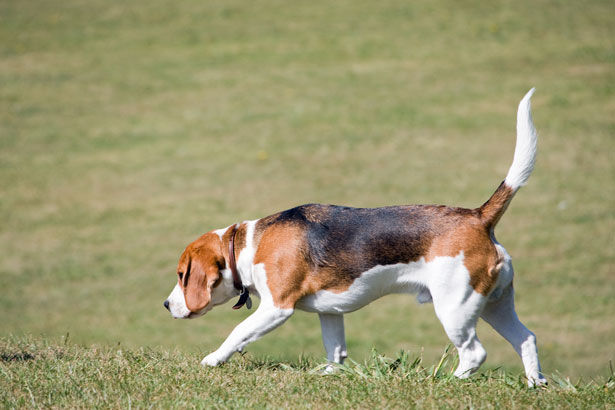
    The Beagle is a compact scent hound developed to follow a trail with stamina, independence, and a clear carrying voice. Beagles are often cheerful and social companions, but their powerful nose, appetite, and urge to follow scent require secure management. A prospective owner should choose the breed for its active hound character, not only for its friendly expression or convenient size.

    Beagle at a glance: two recognized height varieties; usually under 30 lb; short double coat; energetic scent hound; commonly 10–15 years; needs secure exercise, food control, and patient reward-based training.

    Is a Beagle right for your household?

    Beagles tend to enjoy company and can fit well with attentive families, including homes with respectful children. They were bred to work around other hounds, so many are socially motivated. Breed tendencies never guarantee an individual dog’s behavior, and introductions to children, visitors, dogs, or cats should be gradual and supervised.

    This breed is a demanding choice for people who want reliable off-leash freedom. A Beagle may ignore a familiar cue when an exciting scent appears, squeeze through a gap, or dig near a fence. Daily companionship also matters. Long periods without activity can contribute to barking, baying, chewing, escape attempts, and weight gain. Apartment living can work when exercise and noise are managed, but close neighbors should understand that hound voices carry.

    Size, lifespan, and appearance

    Trait Typical Beagle
    Height varieties 13 inches and under; over 13 and up to 15 inches at the shoulder
    Weight Smaller variety under 20 lb; larger variety generally 20–30 lb
    Life expectancy Commonly 10–15 years, with individual variation
    Coat Short, dense, weather-resistant double coat
    Build Compact and sturdy, with long low-set ears and a high-carried tail

    Accepted colors and markings vary among registries, and tri-color, red and white, and lemon combinations are familiar. Color does not establish quality, health, or temperament. A pedigree or reliable rescue history is more useful than appearance for identifying a purebred Beagle. Body condition should stay lean enough that ribs are easily felt beneath a light covering.

    Temperament and family compatibility

    A well-socialized Beagle is often curious, playful, and affectionate. Many enjoy family walks, scent games, and relaxing near people after activity. They can be persistent problem-solvers when food is involved. Their independence is normal hound behavior rather than stubbornness that should be punished.

    Supervise all dog-child contact. Teach children not to climb on, corner, wake, or disturb a dog that is eating. Give the dog a quiet retreat and separate pets around food, chews, and high-value toys until their behavior is well understood. Beagles may live with cats, but prey interest differs among individuals; small pets such as rabbits or rodents need secure housing and physical separation.

    Exercise, enrichment, and secure outdoor time

    Healthy adults usually need meaningful daily exercise split across walks, play, and training. Age, weather, fitness, and medical conditions change the amount. Puppies need shorter, varied activity with rest, while older dogs may prefer slower sniffing walks. Avoid forced distance running before growth is complete and build conditioning gradually.

    Letting a Beagle sniff is enrichment, not wasted walking time. Scatter feeding, food puzzles, tracking games, cardboard searches, and beginner nose work use the abilities for which the breed was developed. Rotate activities and reduce meal portions when food is used in games.

    Use a well-fitted harness and leash in unsecured places. A securely fenced area should have checked gates and no gaps at ground level. Electronic boundary systems do not physically stop a scent-driven dog or keep other animals out. Identification tags and current microchip details provide a backup, not a substitute for containment.

    Training, recall, and vocal behavior

    Short, frequent sessions work better than repetition after attention has faded. Reward offered check-ins, loose-leash walking, coming away from mild distractions, settling on a mat, and exchanging found objects. Start recall indoors, then use a long line outdoors while increasing difficulty slowly. Do not test recall near traffic or wildlife before it is dependable under comparable distractions.

    Harsh corrections can damage trust and may suppress warning signals without changing the cause of behavior. Use food, play, and access to sniffing as rewards. A qualified reward-based trainer can help with pulling, guarding, fear, separation distress, or persistent escape behavior.

    Beagles may bark, bay, or howl when excited, tracking, lonely, or alerted. Meet exercise and social needs, reward quiet pauses, block predictable visual triggers, and avoid leaving the dog outdoors to rehearse noise. Sudden new vocalization deserves a health and environment check.

    Feeding and healthy weight

    Feed a complete and balanced diet appropriate for life stage and health. Measure portions rather than relying on an always-full bowl, and count training rewards in the daily total. Many Beagles are strongly food motivated and can gain excess weight when portions, scraps, and access to stored food are not controlled.

    Check body condition monthly and track weight. Extra weight stresses joints, complicates breathing and anesthesia, and can shorten healthy life. A veterinarian can set an individual calorie target, especially after neutering or when activity changes. Secure rubbish, groceries, medication, chocolate, xylitol products, grapes, raisins, and other hazards because a determined Beagle may climb or open cupboards.

    Grooming, ears, teeth, and nails

    The short coat is low maintenance but sheds throughout the year. Weekly brushing removes loose hair and gives an opportunity to check skin, lumps, ticks, and body condition. Bathe when dirty with a dog-safe product; excessive bathing can irritate skin.

    Long drop ears can trap warmth and moisture. Inspect them regularly and ask a veterinarian how to clean them safely. Redness, odor, discharge, pain, repeated head shaking, or scratching needs assessment rather than repeated home treatment. Never push cotton swabs into the canal.

    Trim nails before they affect gait, and introduce handling gradually with rewards. Brush teeth with dog toothpaste and arrange professional dental assessment when advised. Broken teeth, bad breath, bleeding gums, or difficulty eating need veterinary attention.

    Health screening and veterinary care

    The National Beagle Club recommends documented screening for hips, eyes, Musladin-Lueke syndrome, cardiac disease, and autoimmune thyroiditis in breeding dogs. The club also notes concerns including epilepsy, allergies, hypothyroidism, back problems, and hip dysplasia. Screening lowers some inherited risk but cannot guarantee that a dog will remain healthy.

    Ask breeders for verifiable results tied to the sire and dam rather than accepting “vet checked” as a substitute. Rescue dogs may have incomplete history, so a thorough examination and an individual preventive-care plan are useful. Routine care includes vaccination based on local exposure, parasite control, dental care, and prompt assessment of changes in appetite, thirst, mobility, behavior, or weight.

    Seek urgent veterinary help for breathing difficulty, collapse, repeated unproductive retching, seizures lasting several minutes or clustering, inability to urinate, suspected poisoning, severe injury, or a painful swollen abdomen. Do not give human pain medicines unless a veterinarian specifically directs it.

    Reproduction, neutering, and responsible ownership

    Breeding requires mature dogs with stable behavior, relevant health results, compatible pedigrees, and resources for pregnancy, birth, emergencies, and lifelong placement support. Producing puppies because a dog is friendly or visually attractive is not adequate health planning.

    Discuss the timing and health implications of spaying or neutering with a veterinarian. Until a decision is implemented, securely separate intact males and females whenever pregnancy is possible. Owners should also check local licensing, leash, identification, housing, and breeding rules. Ethical care includes veterinary treatment, secure confinement, daily social contact, and a plan for emergencies and travel.

    Choosing a Beagle puppy or rescue

    A responsible breeder should explain the breed’s noise, scent drive, health tests, social development, contract, and return policy. They should let buyers meet appropriate relatives and see where puppies are raised. Avoid sellers offering immediate shipping, many unrelated breeds, rare-color premiums, or guarantees of perfect health or temperament.

    Beagles are also available through shelters and breed rescues. Ask about comfort with handling, food behavior, vocalization, escape attempts, reactions to other animals, and time alone. A foster-based assessment may offer useful household information, though behavior can change after adoption. Choose the individual whose needs match the home.

    Common questions

    Are Beagles good family dogs?

    Many are social and affectionate family companions, but children need supervision and the dog still requires training, exercise, secure management, and a quiet place to rest.

    Can Beagles be trusted off leash?

    Their strong scent drive makes off-leash reliability difficult. Use a leash or long line outside securely fenced areas, even while practicing recall.

    Do Beagles bark or howl a lot?

    They can bark, bay, and howl, especially when excited, tracking, under-stimulated, or left alone. Training and meeting their needs can reduce unnecessary noise but cannot remove normal hound communication.

    How much exercise does a Beagle need?

    Most healthy adults need daily walks, sniffing, play, and mental work. The exact amount should match age, fitness, weather, and health.

    Do Beagles shed?

    Yes. Their short double coat sheds year-round and may shed more seasonally. Weekly brushing helps remove loose hair.

    For another compact hound with a strong scent-and-chase drive, compare the Dachshund care guide.

    Sources and image credit

  • Ragdoll

    Ragdoll

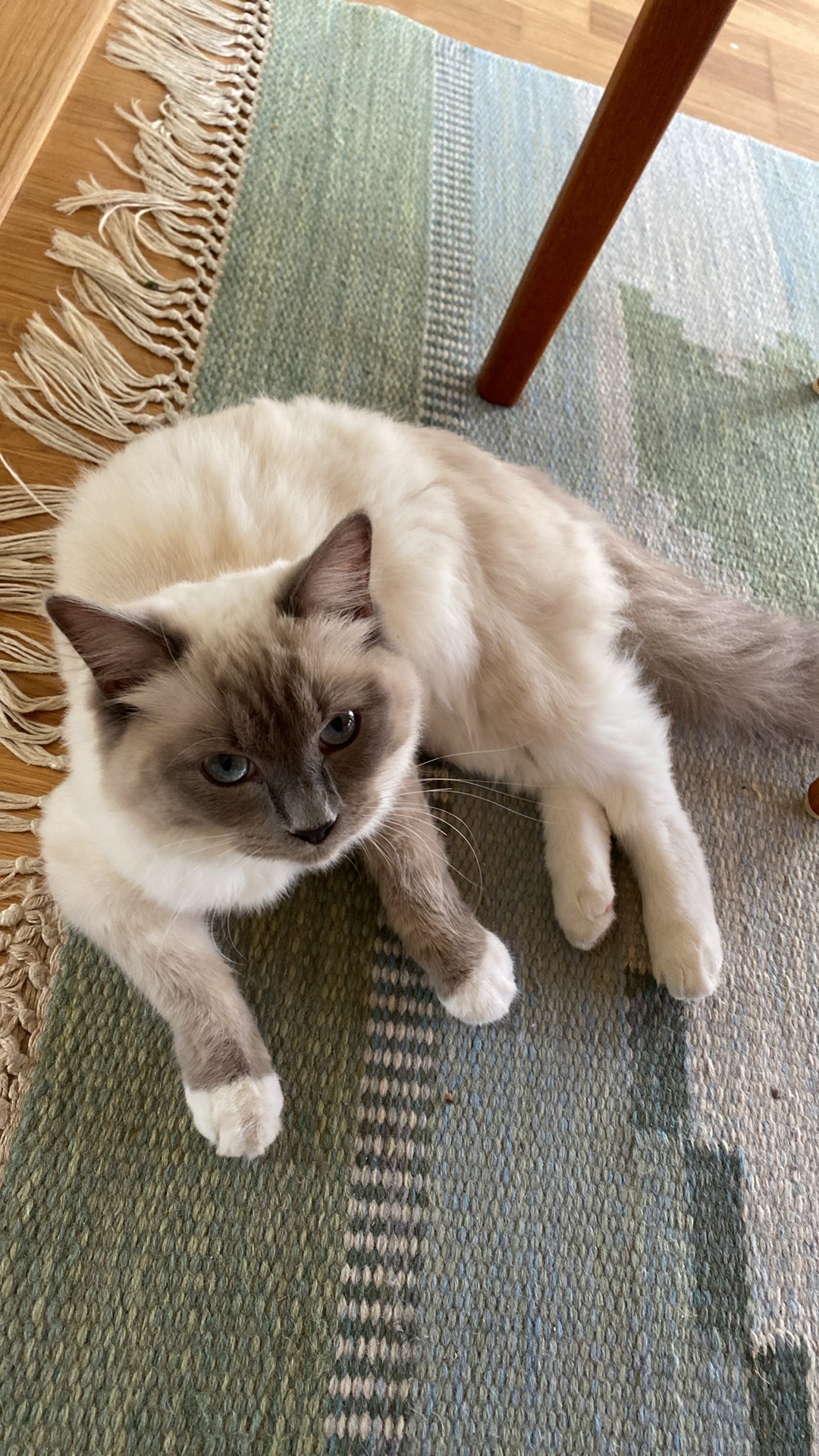
    The Ragdoll is a large, blue-eyed, pointed cat breed with a semi-long silky coat and a reputation for calm companionship. Developed in California during the 1960s, the breed matures slowly and can become much larger than an average domestic cat. Many Ragdolls enjoy following people and joining quiet household activities, but the name does not mean every individual likes being carried or will relax in anyone’s arms.

    Ragdoll at a glance: large semi-longhaired cat; females often 10–15 lb and males 15–20 lb; slow maturity over three to four years; moderate activity; weekly combing required.

    Is a Ragdoll right for you?

    A Ragdoll may suit someone seeking a social indoor companion with moderate rather than relentless activity. Many greet their people, sleep nearby, and enjoy wand toys or retrieve games. They still need daily play, climbing, scratching, and attention. A quiet reputation should never justify leaving a cat without enrichment for long periods.

    Prospective owners should plan for a physically large cat. Sturdy climbing furniture, an oversized litter box, a secure carrier, and appropriately sized beds matter. Food, grooming, and veterinary costs may also exceed those of a smaller cat. No responsible breeder can guarantee that a kitten will become a lap cat or go limp when handled.

    Size, lifespan, and appearance

    Trait Typical Ragdoll
    Adult weight Females often 10–15 lb; males commonly 15–20 lb, with individual variation
    Maturity Full size may take up to four years; coat and color develop gradually
    Life expectancy Many live into their mid or high teens, depending on genetics and care
    Coat Moderately long, soft, with abundant guard hairs and limited woolly undercoat
    Eyes Blue in the pedigree breed standard

    Ragdolls have darker points on the ears, mask, legs, and tail with a lighter body. Recognized patterns include colorpoint, mitted, and bicolor, while registries vary in details. Kittens are born pale and gain point color over time because the colorpoint pattern responds to temperature. A blue-eyed pointed cat is not automatically a Ragdoll; pedigree records establish breed identity.

    Temperament and family compatibility

    Breed organizations describe Ragdolls as affectionate, relaxed, and sociable. Many live successfully with respectful children, friendly dogs, and other cats after gradual introductions. Individual history, health, and personality remain more predictive than a breed label, so assess the actual cat rather than assuming unlimited tolerance.

    Adults should supervise children and teach them to let the cat move away. Never drape, dress, or carry a cat that is trying to escape. Provide elevated resting places and at least one quiet retreat. Introduce pets through scent exchange, barriers, and brief supervised meetings, and slow down if either animal hides, stares, blocks resources, or becomes tense.

    Exercise and indoor enrichment

    Ragdolls are often moderately active, but kittens and young adults can be lively. Schedule several short play sessions with wand toys, rolling toys, tunnels, and safe objects to retrieve. Food puzzles, clicker training, and scent searches add mental work. Adjust portions when treats are used for training.

    Choose a tall, stable cat tree rated for adult weight. Add strong scratchers, wide shelves, and safe landing areas. Because a heavy cat can tip lightweight furniture, check anchors and platforms regularly. Do not assume calmness means poor climbing ability; secure screens, balconies, cupboards, string, lilies, medication, and toxic household products.

    Outdoor access is safest in a catio, enclosed garden, or on a harness after gradual training. Free roaming creates risks from vehicles, fights, disease, toxins, theft, and wildlife. Keep identification and microchip details current even for an indoor-only cat.

    Feeding and healthy weight

    Feed a complete and balanced cat food appropriate for age and health. A large frame does not justify unrestricted portions, and growth should be steady rather than forced. Homemade diets require formulation by a qualified veterinary nutritionist because cats need specific nutrients, including taurine.

    Measure meals and monitor body condition beneath the coat. You should be able to feel the ribs beneath a light covering and see a waist from above. Ragdolls may have a normal lower abdominal pad, but it should not be confused with obesity. Record weight over time and ask a veterinarian to set a target for growing, neutered, inactive, or medically affected cats.

    Fresh water should always be available. Some cats drink more from wide bowls or fountains positioned away from food and litter. Wet food can add dietary moisture, but the best feeding plan depends on the individual.

    Grooming and routine care

    Comb the coat thoroughly at least once or twice each week and more during seasonal shedding. Concentrate behind the ears, under the legs, around the ruff, belly, and trousers. A metal comb helps detect tangles near the skin that a surface brush may miss. Coat texture varies, so some individuals need more frequent care.

    Never cut close mats with scissors because cat skin can pull into them. A veterinarian or experienced feline groomer can remove tight mats safely. Trim nails, provide scratching surfaces, and use cat-safe dental care. Sudden matting, greasiness, or reduced self-grooming can indicate pain, dental disease, obesity, or illness.

    Provide one large litter box per cat plus one extra, distributed in separate quiet places. Scoop daily. A box should allow the adult cat to turn without touching the sides. Elimination changes require veterinary assessment because urinary disease, arthritis, constipation, and stress can all affect litter habits.

    Training and safe handling

    Reward-based training can teach carrier entry, recall, stationing, nail care, and cooperative handling. Leave a sturdy carrier open with bedding and treats so it becomes familiar. Support the chest and hindquarters when lifting, and put the cat down before struggling begins.

    “Floppy” branding can encourage unsafe handling. No cat should be passed around, held upside down, or prevented from leaving to prove a breed trait. Watch ears, tail, body tension, pupils, and attempts to turn away. Respecting small warnings helps prevent fear and scratches.

    Health screening and veterinary care

    Hypertrophic cardiomyopathy (HCM), an abnormal thickening of heart muscle, is an inherited concern in Ragdolls. A DNA test exists for one breed-associated variant, but a negative result does not rule out every cause of HCM and does not replace veterinary examination or cardiac imaging when indicated. Responsible breeding programs combine genetic information with appropriate health assessment.

    Ask for verifiable results for both parents and discuss family history, kidney health, blood type, and longevity. “Health tested” should be supported by named records. Screening reduces risk without guaranteeing lifelong health. Routine examinations, dental care, vaccination based on local risk, parasite prevention, and lean body condition remain essential.

    Seek urgent care for open-mouth breathing, labored breathing, collapse, sudden hind-leg weakness or paralysis, inability to urinate, seizures, or suspected poisoning. Arrange prompt assessment for weight change, reduced jumping, persistent vomiting, poor appetite, coughing, or behavior change.

    Reproduction, neutering, and responsible ownership

    Breeding should involve mature pedigree cats with stable temperament, documented relevant health results, and a plan for every kitten. Pregnancy, birth, and neonatal care can require emergency treatment. Raising kittens also involves hygiene, vaccination, nutrition, records, and careful social development.

    Discuss spaying or neutering with a veterinarian using the cat’s health and pregnancy-prevention needs. Intact cats may call, spray, roam, or attempt escape, and accidental mating can occur quickly. Securely separate intact males and females whenever pregnancy is possible.

    Check local rules for licensing, identification, breeding, and housing. Responsible ownership includes safe confinement, daily care, veterinary treatment, and arrangements during travel or illness. Declawing removes part of each toe and should not be used as a routine solution to scratching; provide suitable scratchers and training instead.

    Choosing a kitten or rescue Ragdoll

    A responsible breeder should discuss temperament, pedigree, HCM testing, socialization, vaccination, and contract terms; show where kittens are raised; and remain available after purchase. Avoid sellers who promise giant size, perfect calmness, allergy-free coats, or immediate shipping without screening the home.

    Ragdolls and pointed longhaired mixes also enter shelters and breed rescues. Ask what is actually known about pedigree. For matching, observed health, confidence, grooming tolerance, and compatibility matter more than visual resemblance.

    Common questions

    Do all Ragdolls go limp when held?

    No. Some relax during handling, while others prefer four paws on a surface. Individual consent and secure support matter more than the breed’s name.

    How big do Ragdoll cats get?

    Females often weigh about 10–15 pounds and males 15–20 pounds, but healthy weight depends on frame and body condition rather than a target number.

    Are Ragdolls hypoallergenic?

    No. Allergens come from saliva, skin secretions, and dander, and coat length or shedding level cannot make a cat allergen-free.

    Do Ragdolls need much grooming?

    Most need thorough combing once or twice weekly, with extra attention during shedding or wherever the coat tangles.

    Can Ragdolls live indoors?

    Yes. A secure indoor home with climbing, scratching, daily play, social contact, and optional enclosed outdoor access can meet their needs.

    People comparing larger companion cats may also review the Maine Coon guide for differences in coat, activity, and screening.

    Sources and image credit

  • Siamese

    Siamese

    The Siamese is a shorthaired cat breed known for blue eyes, a pale body with darker points, a long athletic build, and an unusually social, vocal personality. Siamese cats often want to participate in everything their people do. That closeness can be rewarding, but it also means the breed needs daily interaction, climbing, play, and problem-solving rather than being treated as a decorative pet.

    Siamese at a glance: medium-sized, commonly about 5–12 lb; life expectancy often 10 years or longer; short fine coat; active, vocal, social, and people-oriented.

    Is a Siamese right for you?

    A Siamese may suit a household that enjoys an interactive cat and can provide regular companionship. Many follow people from room to room, vocalize to request attention, learn household routines, and investigate cupboards, water taps, or whatever activity is underway. They can learn retrieve games, target training, and walking in a harness.

    This is a less comfortable match for someone wanting a quiet, independent cat. Some Siamese become distressed or destructive when regularly left without social contact or enrichment. A compatible cat companion may help, but adding a second animal is not a substitute for human care and does not guarantee friendship.

    Size, lifespan, and appearance

    Trait Typical Siamese
    Adult weight Females often about 5–8 lb; males about 8–12 lb, with individual variation
    Life expectancy Often 10 years or longer; some live well into their teens
    Coat Short, fine, glossy, and close lying
    Eyes Blue and almond shaped in the modern breed standard
    Build Long, slender, lithe, and muscular rather than fragile

    The pointed pattern places deeper color on the face, ears, legs, feet, and tail, with a paler torso. Seal, chocolate, blue, and lilac are the traditional CFA point colors, while registries differ in the additional colors and patterns they recognize. Point color develops in response to temperature, so kittens are born pale and the cooler extremities darken. Older cats may also develop more body shading.

    “Old-style Siamese” is sometimes used for a rounder, more moderate cat. Some registries recognize that form separately as the Thai breed. A colorpoint coat alone does not prove Siamese ancestry because the same pattern occurs in other breeds and mixed cats.

    Temperament and family compatibility

    Siamese cats are often affectionate, curious, and insistent communicators. Many live well with respectful children, cat-friendly dogs, and other cats after gradual introductions. Individual temperament and experience still matter, and no breed is automatically safe or sociable in every home.

    Teach children to let the cat move away and never grab the tail, ears, or legs. Provide elevated resting places and a quiet room where the cat can retreat. Introduce animals through scent exchange, barriers, and brief supervised meetings. Hissing or hiding means the process needs more time and distance, not punishment.

    Play, exercise, and indoor enrichment

    Schedule several short interactive play sessions daily using wand toys, rolling toys, or safe objects to retrieve. Finish high-energy hunting games with a small food reward when suitable. Rotate toys, provide food puzzles, and teach simple behaviors with a clicker or verbal marker. Training gives an intelligent cat a constructive way to earn attention.

    Use a tall, stable cat tree, shelves with secure landing points, horizontal and vertical scratchers, tunnels, and window perches. Check furniture anchors regularly. Because Siamese cats are agile explorers, secure windows, screens, balconies, medication, string, thread, hair ties, lilies, and household chemicals.

    Outdoor access is safest in a catio, secure garden enclosure, or on a properly fitted harness after gradual training. Free roaming exposes cats to vehicles, disease, toxins, fights, theft, and wildlife hazards. Identification and microchip details should remain current even for an indoor cat.

    Feeding and healthy weight

    Feed a complete and balanced cat food appropriate for the cat’s life stage. Cats require animal-derived nutrients such as taurine. Homemade or raw diets can be nutritionally unbalanced or carry infectious risk, so any home-prepared plan should come from a qualified veterinary nutritionist.

    Measure portions, count treats, and monitor body condition beneath the sleek coat. You should be able to feel the ribs under a light covering and see a waist from above. Weight loss can be as important as weight gain, especially in an older cat. Fresh water should always be available; wide bowls or fountains placed away from litter boxes may encourage drinking.

    Grooming and routine care

    The short coat is relatively easy to maintain. Weekly gentle brushing or wiping with damp hands removes loose hair and provides a chance to check the skin. Bathing is rarely needed unless the coat is contaminated or a veterinarian recommends it. Siamese cats shed and are not hypoallergenic.

    Trim nails regularly, provide suitable scratching surfaces, and use cat-safe dental care. Examine the ears and eyes without inserting swabs into the ear canal. Redness, discharge, odor, squinting, cloudiness, or repeated head shaking requires veterinary assessment.

    Provide one litter box per cat plus one extra in separate, quiet locations. Scoop at least daily and choose boxes large enough for comfortable turning. Sudden elimination outside the box can signal pain, urinary disease, stress, or resource conflict and should not be treated as spite.

    Training, handling, and time alone

    Reward-based training can teach carrier entry, nail care, recall, stationing, and cooperative veterinary handling. Leave the carrier open as a familiar bed and pair it with treats. Practice short separations gradually rather than waiting until a long unavoidable absence.

    Vocalization is part of the breed’s reputation, but sudden or excessive calling can also signal pain, thyroid disease, high blood pressure, cognitive change, or distress. Meet social and environmental needs while avoiding a pattern in which every loud demand immediately produces food. A predictable schedule helps many cats settle.

    Health screening and veterinary care

    Siamese cats may be affected by progressive retinal atrophy, amyloidosis, dental disease, respiratory problems, and other inherited or acquired conditions. Progressive retinal atrophy can cause blindness, and a DNA test is available for a relevant recessive variant. A normal DNA result does not replace comprehensive veterinary or eye examinations.

    Ask a breeder about documented health testing, family longevity, amyloidosis history, and how kittens were socialized. Screening reduces risk but does not guarantee perfect health. Routine veterinary examinations, vaccination based on local risk, parasite prevention, dental care, and weight monitoring remain important.

    Seek urgent care for open-mouth breathing, collapse, inability to urinate, seizures, severe weakness, or suspected poisoning. Prompt assessment is warranted for persistent vomiting, weight loss, excessive thirst, poor appetite, eye changes, coughing, or major behavior change.

    Reproduction, neutering, and responsible ownership

    Breeding should involve mature pedigree cats with stable temperament, documented relevant health results, and a plan for every kitten. Pregnancy and birth can require emergency veterinary care, while early kitten care demands warmth, hygiene, nutrition, socialization, and careful records.

    Discuss spaying or neutering with a veterinarian based on the individual cat’s health and breeding-prevention needs. Intact cats may call, spray, roam, or attempt escape, and accidental mating can occur quickly. Keep intact males and females securely separated when pregnancy is possible.

    Check local licensing, identification, housing, and breeding rules. Avoid cosmetic or harmful procedures performed for convenience. Humane ownership includes safe confinement, veterinary treatment, daily social contact, and arrangements for care during travel or illness.

    Choosing a kitten or rescue Siamese

    A responsible breeder should explain pedigree, temperament, health testing, vaccination, socialization, and contract terms; show where kittens are raised; and remain available after purchase. Kittens should not be selected by point color alone. Avoid sellers who promise allergy-free cats, refuse records, always have immediate stock, or pressure buyers to pay before meaningful discussion.

    Siamese and colorpoint cats also enter shelters and breed rescues. Ask what is actually known about pedigree instead of relying on appearance. For matching, observed health, confidence, play style, vocalization, and comfort with people or animals matter more than a label.

    Common questions

    Are Siamese cats very vocal?

    Many are frequent, expressive communicators, although intensity varies. A sudden change in vocalization should be discussed with a veterinarian.

    Do Siamese cats need another cat?

    Some enjoy a compatible feline companion, but companionship cannot be guaranteed. They still need daily human interaction, play, and gradual introductions.

    Are Siamese cats hypoallergenic?

    No. Their short coat may be easy to groom, but allergens come from saliva, dander, and skin secretions rather than hair length alone.

    How long do Siamese cats live?

    Breed organizations commonly describe a life expectancy above 10 years, with many cats living into their teens. Health, genetics, environment, and veterinary care affect the individual lifespan.

    Can Siamese cats live indoors?

    Yes. A well-designed indoor home with climbing, scratching, play, social contact, and secure outdoor options can meet their needs while reducing roaming hazards.

    For another athletic, highly interactive cat, compare the environmental and training needs of the Bengal.

    Sources and image credit

  • Poodle

    Poodle

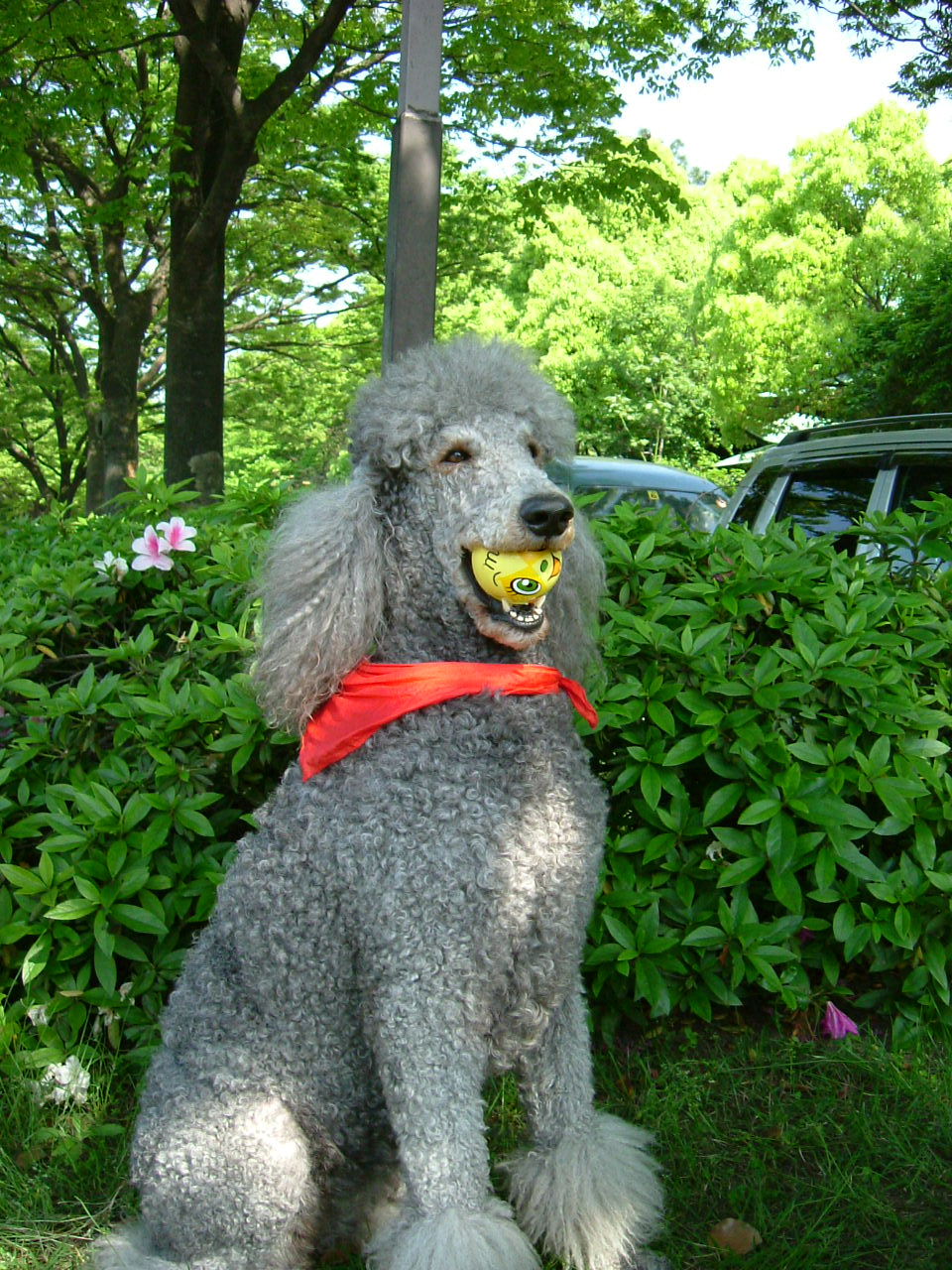
    The Poodle is an athletic, people-oriented dog breed recognized in Standard, Miniature, and Toy size varieties. Although elaborate show clips make the breed instantly recognizable, Poodles were developed from water-retrieving dogs and remain active, trainable companions. Their coat sheds relatively little, but it grows continuously and demands regular brushing and clipping. Choosing a Poodle therefore means planning for exercise, mental work, professional-quality grooming, and health screening appropriate to its size. For another trainable small dog with regular professional grooming needs, compare the wiry coat and terrier behavior in the Miniature Schnauzer guide.

    Poodle at a glance: three recognized sizes; about 4–70 lb depending on variety; expected lifespan roughly 10–18 years; curly, low-shedding coat; high training and grooming needs.

    Standard, Miniature, and Toy Poodles

    In the American Kennel Club standard, a Standard Poodle stands over 15 inches at the shoulder, a Miniature stands over 10 inches and up to 15 inches, and a Toy is 10 inches or under. All three share the same basic proportions and breed identity. “Teacup,” “moyen,” and marketing terms based on color are not additional AKC size varieties.

    Variety Typical adult size Practical considerations
    Standard Over 15 in; commonly about 40–70 lb Most powerful and athletic; needs larger equipment and substantial activity
    Miniature Over 10–15 in; often around 10–15 lb Active small companion; sturdy but still needs careful handling
    Toy 10 in or under; often around 4–6 lb Physically delicate; vulnerable to falls, rough play, and cold

    Published weights are guides rather than targets. Body condition and sound development matter more than achieving a particular number. Life expectancy varies by size and individual health, with the broad breed range commonly given as about 10–18 years.

    Is a Poodle right for you?

    Poodles can suit households seeking a responsive dog that enjoys training, games, and close contact with people. They often learn patterns quickly and can excel in obedience, agility, scent work, retrieving, and assistance roles. Intelligence does not make them self-training: they can also learn barking, stealing, or attention-seeking behaviors when those actions are repeatedly rewarded.

    The coat is the largest routine commitment. A clipped pet still needs brushing, bathing, drying, ear and nail care, and appointments about every four to eight weeks depending on coat length and the groomer’s advice. A household unwilling to maintain the coat should choose a different breed rather than allowing painful mats to develop.

    Temperament and family compatibility

    Poodles are often alert, active, and attached to their families. Many are friendly after appropriate social development, while some are initially reserved or sensitive to noise and abrupt handling. Size does not determine personality, and no breed label guarantees behavior around children or other animals.

    Standard Poodles can knock over a small child when excited. Toy Poodles can be injured by squeezing, dropping, or rough play. Adults should supervise, teach children to leave a resting or eating dog alone, and provide a quiet retreat. Introduce cats and dogs gradually, using gates, leads, and separate resources until everyone is relaxed.

    Exercise and enrichment

    All Poodle varieties need daily activity, though the form and amount should match size, age, health, and fitness. Walks with time to sniff, retrieving, safe swimming, food puzzles, and short training sessions provide a useful mix. Standard Poodles usually tolerate longer outings than Toy Poodles, but miniature dogs are not ornaments and still need meaningful exercise.

    Puppies need short, varied exploration and ample sleep rather than forced distance running or repeated jumping. Small dogs should not be carried everywhere; safe movement helps confidence and fitness. Use a well-fitted life jacket around boats or deep water, supervise swimming, and prevent access to strong currents, cold water, or harmful algae.

    Teach an off-switch as well as active skills. Reward settling on a mat, provide safe chews, and vary games so the dog does not depend on frantic ball chasing. Sudden reluctance to exercise, jumping, or using stairs warrants veterinary assessment.

    Training and social development

    Start reward-based training when the puppy arrives. Focus on recall, loose-lead walking, toilet habits, calm greetings, comfortable handling, giving up objects, and resting alone for gradually increasing periods. Tiny dogs need the same clear, kind education as larger dogs; allowing behavior because it seems harmless can leave a Toy Poodle anxious or difficult to handle.

    Socialization should pair new people, sounds, surfaces, vehicles, grooming tools, veterinary handling, and calm dogs with safety and choice. Do not force a worried puppy into contact. Regular practice with feet, face, ears, and body makes lifelong grooming and medical care less stressful. Choose trainers and groomers who use patient, low-stress methods.

    Feeding and healthy weight

    Feed a complete and balanced diet for the dog’s life stage and size. Toy puppies have small stomachs and may need appropriately divided meals, while Standard puppies require controlled growth and a large-breed formulation when advised by the veterinarian. Homemade diets should be formulated by a qualified veterinary nutritionist.

    Measure portions and include treats in the daily calories. You should be able to feel the ribs beneath a light covering and see a waist from above. Weight should be monitored under the coat, which can conceal changes. Toy owners must prevent access to gaps where food, medication, or toxic objects can fall. Standard owners should know the emergency signs of gastric dilatation-volvulus: abdominal swelling, repeated unproductive retching, distress, and collapse.

    Coat care and grooming

    Poodle hair grows continuously and traps shed hairs within the curls. This reduces loose hair around the home but does not make the breed maintenance-free. Brush and comb to the skin often enough to prevent tangles, concentrating behind the ears, under the legs, around the collar, and where limbs rub the body. Surface brushing can leave hidden mats at the roots.

    Most pets wear a short, practical trim and visit a groomer every four to eight weeks. Long coats may need daily attention. Never cut close to the skin with scissors because skin can pull into a mat. Severe matting requires professional removal and may reveal irritation or wounds underneath.

    Routine care also includes nail trimming, dental cleaning with dog-safe toothpaste, and ear checks. Hair removal from the ear canal is not automatically necessary for every dog; ask the veterinarian and groomer what suits the individual. Odor, pain, redness, discharge, or repeated head shaking needs veterinary assessment.

    Allergies and shedding

    Poodles are low shedding compared with many breeds, but no dog is completely hypoallergenic. Allergens come from saliva, skin secretions, and dander as well as material carried on the coat. An allergic person should spend time with adult Poodles and consult an allergy professional before acquiring one. Grooming and cleaning may reduce exposure but cannot guarantee symptoms will disappear.

    Health screening and veterinary care

    Health priorities differ by variety. Standard Poodles can be affected by hip dysplasia, eye disease, thyroid disease, sebaceous adenitis, von Willebrand disease, epilepsy, and gastric dilatation-volvulus. Miniature and Toy Poodles have concerns that include patellar luxation, eye disease, and Legg-Calvé-Perthes disease. DNA tests answer specific genetic questions but do not replace orthopedic, eye, or veterinary examinations.

    The Poodle Club of America publishes separate screening recommendations for Toy, Miniature, and Standard breeding dogs. Ask for verifiable results for both parents that match the puppy’s variety. A claim that dogs were “vet checked” is not equivalent to breed-relevant screening. Testing reduces avoidable risk but cannot promise lifelong health.

    Routine examinations, dental care, vaccination based on veterinary advice, parasite prevention, and lean body condition remain important. Seek prompt care for collapse, abdominal swelling, persistent lameness, seizures, eye pain, skin inflammation, ear disease, or major changes in appetite, thirst, or behavior.

    Reproduction, neutering, and safety

    Breeding should involve mature dogs with stable temperament, documented variety-specific health results, sound structure, and a plan for every puppy. Pregnancy, birth, and neonatal care can become emergencies, especially in very small dogs. Breeding for unusually tiny size can magnify welfare risks and should not be supported.

    Discuss spaying or neutering with a veterinarian using the individual dog’s size, sex, development, medical history, lifestyle, and pregnancy-prevention needs. There is no single timing rule for every Poodle variety. Until a decision is made, securely separate intact males and females during fertile periods.

    Use a secure lead, identification, and fencing, and check local licensing and microchip rules. Toy Poodles need protection from falls, large-dog collisions, predatory wildlife, and being stepped on. Standards need early lead skills and safe transport because adult strength can make poor management hazardous.

    Choosing a puppy or rescue Poodle

    A responsible breeder should clearly identify the size variety, discuss temperament and grooming, provide verifiable health results, show where puppies are raised, and remain available after purchase. Avoid sellers advertising “teacup” dogs, guaranteed allergy-free coats, extreme colors, immediate shipping, or perfect health and temperament.

    Poodles and Poodle mixes also enter shelters and breed rescues. Ask what staff have observed around people, dogs, grooming, food, handling, and time alone. A mixed dog’s adult coat, size, and shedding cannot always be predicted from appearance or parentage, so adopters should prepare for full Poodle-level grooming unless the mature coat proves easier.

    Common questions

    Are Poodles hypoallergenic?

    No dog is completely hypoallergenic. Poodles shed relatively little, but allergens remain in saliva, dander, skin secretions, and the environment.

    How often does a Poodle need grooming?

    Most pets need thorough home brushing and professional-quality clipping roughly every four to eight weeks, with the exact schedule determined by coat length and condition.

    What are the three Poodle sizes?

    The AKC recognizes Standard, Miniature, and Toy Poodles. The varieties share one breed standard apart from height divisions.

    Are Poodles good family dogs?

    Many are affectionate, trainable companions, but the individual dog’s temperament, size, social development, and supervision around children determine compatibility.

    Do Poodles need a lot of exercise?

    They are active dogs that need daily physical activity and mental work. The amount and intensity should match the dog’s size, age, health, and fitness.

    If coat maintenance is a major deciding factor, compare the grooming and training needs of the Yorkshire Terrier and Shih Tzu.

    Sources and image credit

  • German Shepherd

    German Shepherd

    The German Shepherd, formally called the German Shepherd Dog, is a large herding breed developed in Germany for intelligence, stamina, responsiveness, and versatile work. Modern German Shepherds serve as companions and in roles such as assistance, search and rescue, detection, herding, and dog sports. Their loyalty and trainability are appealing, but they need careful social development, daily mental and physical activity, skilled handling, and responsible health screening.

    German Shepherd at a glance: 50–90 lb (23–41 kg); about 22–26 in (56–66 cm); expected lifespan 12–14 years; double coat; high training, exercise, and social-development needs.

    Is a German Shepherd right for you?

    A German Shepherd may suit an experienced or well-supported owner who enjoys structured training and wants a dog closely involved in daily life. Many learn quickly, notice changes in their environment, and form strong bonds with their household. Those qualities can become difficult without direction: an under-stimulated dog may bark, pace, chase, guard spaces, or react strongly to unfamiliar people and dogs.

    This is a strong, athletic breed that needs more than access to a garden. Owners should plan for daily exercise, reward-based training, secure fencing, safe transport, grooming, veterinary care, and management around visitors. A German Shepherd is a poor choice when the goal is an automatically protective dog requiring little socialization. Deliberately encouraging suspicion or aggression creates serious welfare and safety risks.

    Size, lifespan, coat, and appearance

    Trait Typical German Shepherd
    Adult weight Females about 50–70 lb (23–32 kg); males about 65–90 lb (29–41 kg)
    Adult height Females about 22–24 in; males about 24–26 in at the shoulder
    Life expectancy Approximately 12–14 years, with substantial individual variation
    Coat Medium-length double coat; longer coats also occur
    Activity High, with a strong need for mental work

    The breed should be strong, agile, and balanced, with erect ears in adulthood and a long, efficient stride. Coat colors and patterns vary. Color does not establish a separate breed or guarantee working ability, temperament, or health. Exaggerated structure that impairs normal movement should never be treated as desirable simply because a dog has pedigree papers.

    Temperament and family compatibility

    The breed standard describes a self-confident dog that may be reserved without being hostile. A well-adjusted German Shepherd should be able to recover from ordinary surprises and respond to its handler. Individual behavior still depends on genetics, early experience, training, health, and environment. No breed label guarantees that a dog will be calm with children, visitors, or other animals.

    Many German Shepherds live successfully with respectful children when adults supervise and provide the dog with a quiet retreat. Their size and herding tendencies can overwhelm small children, so teach calm greetings and interrupt chasing. Introductions to cats and other dogs should be gradual and controlled. Watch for stiff posture, staring, avoidance, guarding, or escalating arousal, and seek qualified help early rather than waiting for a bite.

    Exercise and mental enrichment

    Healthy adults usually need substantial daily activity. Combine brisk walks and safe running with sniffing, tracking games, retrieve or tug play, obedience skills, and problem-solving. Activities should build cooperation and self-control rather than keeping the dog in constant high arousal. A dog can become physically fitter while remaining unable to settle if exercise is only intense chasing.

    Puppies need short, varied outings, free movement on safe surfaces, and plenty of sleep. Forced distance running, repeated jumping, and slippery floors are unsuitable while the skeleton develops. Older dogs or those with joint, spinal, or heart disease need a veterinary-guided plan. In warm weather, exercise during cooler hours and stop for heavy panting, weakness, confusion, or poor coordination.

    Useful home enrichment includes scatter feeding, scent searches, food puzzles, chewing outlets, and short training sessions. Rotate activities and schedule quiet rest. Protection training should never be improvised at home; where it is lawful and appropriate, it requires an ethical, experienced professional and a temperamentally suitable dog.

    Training and social development

    Begin reward-based training as soon as the puppy arrives. Prioritize recall, loose-lead walking, leaving objects, settling on a mat, comfortable handling, calm greetings, and moving away from distractions. German Shepherds often notice their surroundings intensely, so reward the dog for checking in with the handler before barking or lunging becomes rehearsed.

    Socialization should create positive, manageable experiences with different people, surfaces, sounds, vehicles, veterinary handling, and calm dogs. It does not mean forcing contact. Let the puppy observe from a comfortable distance and leave when worried. Harsh corrections can increase fear and suppress warning signals without changing the underlying emotion.

    A well-run puppy class and later life-skills training can help. Choose a trainer who uses rewards, avoids intimidation, and understands large working breeds. Sudden behavior change deserves a veterinary examination because pain and illness can affect tolerance and reactivity.

    Feeding and healthy weight

    Feed a complete and balanced diet appropriate for the dog’s life stage. A large-breed puppy food helps support controlled growth and appropriate mineral balance. Extra calcium and unbalanced homemade recipes can cause harm unless a veterinary nutritionist formulates them. Divide the daily ration into measured meals and include training treats in the calorie total.

    You should be able to feel the ribs beneath a light covering and see a waist from above. Lean body condition reduces avoidable stress on hips, elbows, and spine. Ask a veterinarian to assess growth and body condition rather than trying to make a puppy grow quickly. For dogs that gulp food, use a slow feeder and avoid intense exercise immediately around meals. Know the signs of gastric dilatation-volvulus, including a swollen abdomen, repeated unproductive retching, distress, and collapse; this is an emergency.

    Grooming and routine care

    The double coat sheds throughout the year and often heavily during seasonal coat changes. Brush at least once or twice weekly and more often when undercoat is releasing. Longer-coated dogs need extra attention behind the ears, under the legs, and around the tail. Shaving a healthy coat is generally unnecessary and does not stop shedding.

    Trim nails before they alter movement, brush teeth with dog-safe toothpaste, and inspect ears and skin. Persistent itching, odor, redness, hair loss, or repeated ear problems require veterinary assessment. Use parasite prevention suited to local conditions, and check paws and coat after outdoor work for cuts, grass seeds, ticks, and other debris.

    Health screening and veterinary care

    German Shepherds can develop hip and elbow dysplasia, degenerative myelopathy, digestive and skin disorders, eye disease, cardiac or thyroid problems, epilepsy, and other inherited or acquired conditions. Degenerative myelopathy DNA testing estimates genetic risk for one variant; it does not diagnose a dog or prove that a carrier will become ill.

    The German Shepherd Dog Club of America’s Health Award of Merit includes hip, elbow, cardiac, thyroid, and temperament assessments. Ask a breeder for verifiable public results for both parents rather than accepting “vet checked” or screenshots without identifying details. Screening reduces avoidable risk but cannot guarantee perfect health.

    Routine examinations, vaccination based on veterinary advice, dental care, parasite control, and weight management remain essential. Seek prompt assessment for persistent lameness, difficulty rising, dragging nails, weakness, repeated diarrhea, poor weight gain, skin disease, or behavior change. Collapse, severe abdominal swelling, breathing difficulty, inability to stand, and suspected poisoning require emergency care.

    Reproduction, neutering, and responsible ownership

    Breeding should be considered only for mature dogs with stable temperament, documented breed-relevant health results, sound structure, and a plan for every puppy. Pregnancy and birth can require emergency veterinary care, and raising a litter involves intensive socialization, hygiene, records, and lifetime responsibility. Breeding a beloved pet does not preserve its personality in the puppies.

    Discuss spaying or neutering with a veterinarian using the individual dog’s sex, age, development, medical history, household management, and risk of accidental breeding. There is no single timing rule appropriate to every German Shepherd. Until a decision is made, securely separate intact males and females during fertile periods.

    Check local rules for licensing, microchipping, leash use, housing, insurance, and breed-specific restrictions before acquiring the dog or moving. Identification records should stay current. Secure fencing and a lead protect the dog, wildlife, visitors, and other animals; protective reputation is never a reason to allow uncontrolled roaming.

    Choosing a puppy or rescue German Shepherd

    A responsible breeder should discuss temperament, working goals, socialization, pedigree, and health screening; show how puppies are raised; provide records; and remain available after purchase. Avoid sellers who promote aggression, extreme size or shape, rare colors, immediate shipping, or guaranteed protection. Meeting at a car park and refusing to show the home environment are warning signs.

    German Shepherds and mixes also enter breed rescues and shelters. Ask about observed behavior around strangers, children, dogs, food, handling, and time alone. An adult may have useful household skills, but every rescue needs a gradual transition, secure management, veterinary review, and time to decompress.

    Common questions

    Are German Shepherds good family dogs?

    Many can be devoted family companions, but success depends on individual temperament, early social development, training, supervision, and the household’s ability to meet substantial exercise and care needs.

    How much exercise does a German Shepherd need?

    Healthy adults generally need significant daily physical activity plus training and scent-based mental work. Age, weather, fitness, and medical conditions should determine the exact amount.

    Do German Shepherds shed a lot?

    Yes. The double coat sheds year-round and usually much more heavily during seasonal coat changes. Frequent brushing manages loose hair but does not eliminate shedding.

    Can German Shepherds live with cats?

    Some do successfully after careful introductions and management. Individual prey drive and history matter, so cats need safe escape routes and interactions should never be forced.

    Are German Shepherds suitable for first-time owners?

    A committed first-time owner can succeed with good breeder or rescue support and qualified training help, but the breed’s strength, alertness, and workload make it less forgiving of inconsistent management.

    For other demanding working companions, compare the Border Collie for herding intensity and the Siberian Husky for endurance, roaming, and recall considerations.

    Sources and image credit

  • Labrador Retriever

    Labrador Retriever

    The Labrador Retriever is a medium-to-large sporting dog developed from water dogs used around Newfoundland and later refined in Britain as a game retriever. Labradors are commonly friendly, active, and eager to work with people, but popularity should not be mistaken for effortless ownership. A Lab needs daily exercise, patient training, measured meals, regular grooming, preventive veterinary care, and a household prepared for a strong, enthusiastic adolescent dog.

    Labrador Retriever at a glance: 55–80 lb (25–36 kg); about 21.5–24.5 in (55–62 cm); expected lifespan 11–13 years; short double coat; high exercise and social needs.

    Is a Labrador Retriever right for you?

    A Labrador can suit an active household that wants a sociable companion and enjoys training, walking, swimming, retrieving, scent games, or dog sports. Many Labs are highly food motivated and responsive to reward-based teaching. They often want to join daily family life rather than spend long periods isolated in a yard or room.

    Young Labradors can be bouncy, mouthy, and physically powerful. They may carry household objects, jump during greetings, pull on the lead, or chew when their needs are not met. These normal tendencies require management and teaching rather than punishment. Prospective owners should budget for a secure home, sturdy equipment, quality food, veterinary care, training, and help during long absences.

    Size, lifespan, coat, and appearance

    Trait Typical Labrador Retriever
    Adult weight Females about 55–70 lb (25–32 kg); males about 65–80 lb (29–36 kg)
    Adult height Approximately 21.5–24.5 in (55–62 cm) at the shoulder
    Life expectancy About 11–13 years, with individual variation
    Coat Short, dense, weather-resistant double coat
    Recognized colors Black, yellow, and chocolate

    The breed has a broad head, strong body, webbed feet, and a thick tail often described as an otter tail. Field-bred and show-bred dogs may differ in build and energy, but neither label predicts the temperament or health of an individual. “Silver” Labs are associated with a dilute coat-color gene; color marketing does not create a separate breed and should never replace attention to welfare, pedigree, temperament, and health screening.

    Temperament and family compatibility

    Labradors are generally described as outgoing, kindly, and trainable. Many live successfully with children and other pets after careful introductions. Breed tendencies are only a starting point: genetics, early experience, health, and learning all shape behavior. No dog should be assumed safe with a child solely because of breed.

    Adults should supervise interactions, prevent climbing or grabbing, and teach children to leave a dog alone while it eats, sleeps, or rests in a quiet space. A large wagging dog can knock over a toddler without intending harm. Cats and smaller pets need escape routes and gradual, controlled introductions because an excited Lab may chase even when it appears playful.

    Exercise and enrichment

    Healthy adult Labradors usually need substantial daily exercise. Combine walks with sniffing, retrieving, swimming where water is clean and safe, food puzzles, and short training sessions. Repetitive high-speed ball throwing can encourage frantic arousal and place repeated stress on joints, so vary activities and include calm searching and settling skills.

    Puppies need frequent short outings, exploration, play, and sleep rather than forced distance running. Growth plates and coordination are still developing. Older dogs and those with joint, heart, or weight problems need an individualized plan from a veterinarian. In hot weather, move activity to cooler hours, provide water and shade, and stop if the dog struggles to breathe, becomes uncoordinated, or seems unusually tired.

    Swimming is popular with many Labs, but ability and confidence vary. Introduce water gradually, use a canine life jacket around boats or deep water, and prevent access to fast currents, blue-green algae, or cold conditions. Rinse and dry the dog after swimming and check the ears, paws, and skin.

    Training and social development

    Begin reward-based training when the puppy comes home. Prioritize recall, loose-lead walking, giving up objects, calm greetings, waiting at doors, comfortable handling, and relaxing on a mat. Because Labradors often explore with their mouths, trade stolen items for food or a suitable toy instead of chasing or forcing the mouth open.

    Socialization means creating safe, positive experiences, not overwhelming a puppy with every person or dog. Pair new surfaces, sounds, people, vehicles, veterinary handling, and calm vaccinated dogs with food and choice. A well-run puppy class can help owners practice around distractions. Fear, guarding, or persistent overexcitement deserves early guidance from a qualified reward-based trainer or veterinary behavior professional.

    Feeding and weight management

    Feed a complete and balanced diet appropriate for the dog’s age and health. Large-breed puppy food supports controlled growth; extra calcium or unbalanced homemade recipes can be harmful unless a veterinary nutritionist formulates them. Measure portions, count treats, and divide the daily allowance between meals and training.

    Labradors can be intensely interested in food and are prone to excess weight. You should be able to feel the ribs beneath a light covering and see a waist from above. Thick skin and coat can make gradual weight gain easy to miss, so record weight and body condition over time. Use slow feeders or food puzzles for dogs that gulp, keep human food and rubbish secure, and contact a veterinarian promptly after suspected ingestion of toxins, medication, corn cobs, socks, or other objects.

    Grooming and routine care

    The short double coat sheds throughout the year and often heavily during seasonal coat changes. Brush once or twice weekly and more often when loose undercoat increases. Occasional bathing is usually sufficient unless the dog is dirty or a veterinarian prescribes a skin-care plan. Shaving does not stop shedding and can interfere with the coat’s protective function.

    Trim nails before they affect gait, brush teeth with dog-safe toothpaste, and inspect ears after swimming. Redness, odor, discharge, repeated head shaking, or painful ears require veterinary assessment rather than repeated home cleaning. Check paws for cuts and foreign material after outdoor activity, and keep parasite prevention appropriate to local risks.

    Health screening and veterinary care

    Conditions of concern in Labradors include hip and elbow dysplasia, inherited eye disease, exercise-induced collapse, centronuclear myopathy, cardiac disease, obesity, ear and skin disease, and some cancers. The Labrador Retriever Club recommends specific orthopedic, eye, and genetic clearances for breeding dogs. A seller’s claim that parents were “vet checked” is not the same as documented breed-relevant screening.

    Ask for verifiable results for both parents and understand that screening reduces risk without guaranteeing a disease-free puppy. Routine examinations, vaccination based on veterinary advice, dental care, parasite control, and lean body condition remain important throughout life. Discuss neutering timing with the veterinarian using the dog’s sex, development, health, lifestyle, and pregnancy-prevention needs rather than relying on a single rule for every Lab.

    Seek urgent care for a swollen abdomen with unproductive retching, collapse, severe breathing difficulty, heat illness, sudden inability to use the legs, or suspected poisoning. Arrange prompt assessment for persistent lameness, reduced stamina, repeated ear infections, unexplained weight change, a new lump, or a major change in appetite or behavior.

    Choosing a puppy or rescue Labrador

    A responsible breeder should explain temperament, pedigree, socialization, and health testing; allow buyers to see where puppies are raised; provide records; and remain available after purchase. Avoid sellers who focus on rare colors, promise a particular adult personality, refuse documentation, always have puppies immediately available, or pressure buyers to send money.

    Breed rescues and general shelters also place Labradors and Lab mixes. Ask what staff have observed around people, dogs, food, handling, and time alone. An adult dog’s known behavior may help with matching, but every dog needs a gradual transition, secure management, veterinary review, and time to settle.

    Common questions

    Are Labrador Retrievers good family dogs?

    Many are affectionate and sociable family companions, but compatibility depends on the individual dog, training, supervision, and the household’s ability to meet exercise and care needs.

    How much exercise does a Labrador need?

    Most healthy adults need substantial activity every day, divided among walks, play, retrieving, swimming, scent work, and training. Age, weather, fitness, and medical conditions should determine the exact plan.

    Do Labradors shed a lot?

    Yes. Their short double coat sheds year-round and often more heavily during seasonal changes. Regular brushing controls loose hair but does not eliminate shedding.

    Can a Labrador live in an apartment?

    Yes, if the dog receives reliable outdoor exercise, toilet breaks, enrichment, training, and quiet rest. A large garden does not replace interaction or structured activity.

    Are Labradors easy to train?

    They are often food motivated and willing to work with people, which can help training. Their strength, excitement, and long adolescence still require consistent practice and careful management.

    Families comparing retrievers can also review the Golden Retriever guide for differences in coat care and daily routines.

    Sources and image credit