Category: Dogs

  • Havanese

    Havanese

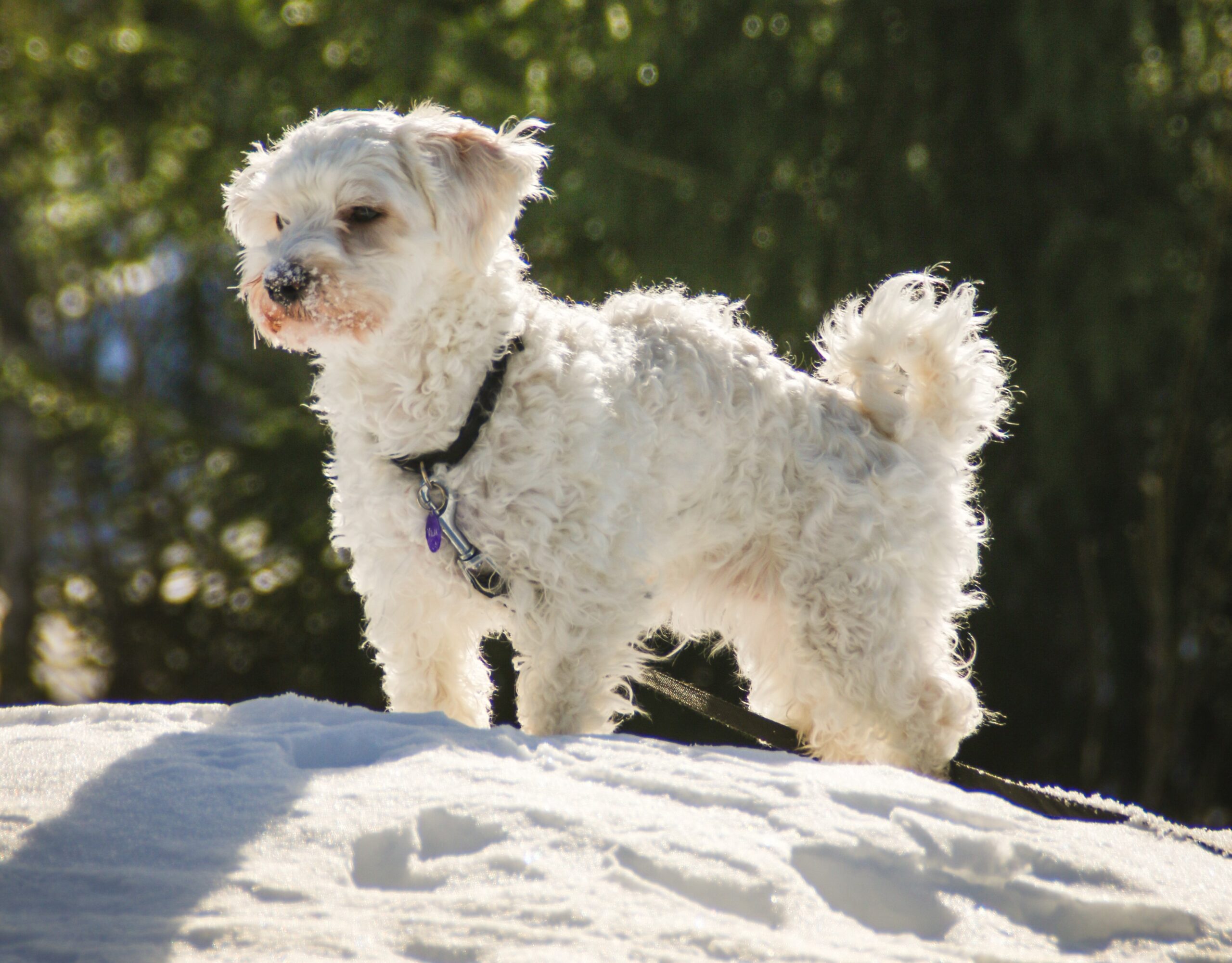
    The Havanese is a small Cuban companion breed known for sociability, a springy gait, and a long, soft coat. Adults are typically 8.5–11.5 inches tall and 7–13 pounds, with an expected lifespan of about 14–16 years according to the American Kennel Club. Small size can make the breed convenient for apartments, but a Havanese still needs daily activity, regular grooming, thoughtful training, preventive veterinary care, and plenty of human company. For a short-coated alternative with different heat and airway considerations, compare the Boston Terrier guide.

    Temperament and household fit

    Havanese were developed as companion dogs and usually want to participate in family life. Many are outgoing with visitors, playful with familiar children, and comfortable with friendly dogs when introductions are controlled. Breed tendencies are only a starting point: an individual puppy’s genetics, early experiences, health, and training shape adult behavior. Children should learn to sit for greetings, avoid lifting the dog, and leave it alone while eating or sleeping. Because this is a light toy breed, rough handling and falls can cause injury even when nobody intends harm.

    The breed often suits city homes because moderate exercise can be provided through walks and indoor games. Noise management matters in shared buildings. Reward quiet behavior before hallway sounds become a barking habit, and block repeated window patrols when necessary. Havanese thrive on company and may struggle if left alone for long workdays. Families should build calm independence gradually rather than allowing a puppy to follow one person every minute.

    Exercise and mental enrichment

    A brisk daily walk plus play, sniffing, and short training sessions meets the needs of many healthy adults. The AKC describes the breed’s exercise requirement as moderate; VCA suggests a walk around the block once or twice daily plus an active game. Exact duration should follow age, conditioning, weather, and veterinary guidance. Puppies need frequent short outings rather than forced distance, and older dogs may prefer slower sniff walks. Stop if the dog lags, pants heavily, or seeks shade.

    Trick training, food puzzles, scent searches, and gentle agility foundations provide useful mental work. A fenced area is safer than off-leash exercise near traffic. A Havanese is small enough to be vulnerable around much larger unfamiliar dogs, so choose play partners carefully. In hot weather, walk during cooler hours and provide water; in cold or wet conditions, dry the coat and protect a clipped dog that lacks the insulation of a full coat.

    Training and time alone

    Havanese are bright and responsive, but the breed can be sensitive. Use food, toys, access to play, and praise to reward the behavior you want. Harsh corrections can create avoidance without teaching a useful alternative. Begin with name response, recall, loose-leash walking, settle on a mat, cooperative handling, and trading objects. Socialization means calm, positive exposure to varied people, surfaces, sounds, vehicles, and well-mannered animals; it does not mean forcing every greeting.

    House-training a toy puppy requires a predictable schedule because its bladder is small. Take the puppy out after waking, eating, play, and training, reward immediately outdoors, and supervise closely inside. For alone-time practice, provide a safe resting area and leave for seconds before progressing to minutes. Return while the puppy is calm. Persistent panic, escape attempts, drooling, or distress vocalization warrants help from a veterinarian and a qualified reward-based behavior professional.

    Coat, eyes, ears, teeth, and nails

    The long coat sheds relatively little but tangles readily. The AKC recommends daily gentle combing for a full coat; shorter pet trims reduce length but still require routine combing down to the skin. Focus on friction areas behind the ears, under the harness, in the armpits, around the legs, and beneath the tail. Work through small sections with a metal comb and detangling product rather than pulling a mat. Tight mats can trap moisture and cause painful skin irritation, so severe matting should be handled by a professional groomer or veterinary team.

    Check the eyes daily and wipe discharge with a clean damp cloth, using a separate area for each eye. Redness, squinting, cloudiness, or sudden discharge needs veterinary attention. Inspect ears for odor, redness, pain, or heavy debris; do not push cotton swabs into the canal. Brush teeth with dog-safe toothpaste as often as the veterinary team recommends, ideally daily, because small dogs are prone to dental crowding and periodontal disease. Trim nails before they click on hard floors, and introduce every grooming step with rewards.

    Food and healthy body condition

    Feed a complete and balanced diet appropriate for the dog’s life stage. Measure meals rather than leaving an unlimited bowl, and count training treats within the daily calorie allowance. A long coat can hide weight gain, so use your hands: you should be able to feel the ribs under a light covering without pressing hard, and the waist should be visible from above. Your veterinarian can set a target body-condition score and adjust portions after neutering, illness, or a change in activity.

    Fresh water should always be available. Sudden appetite loss, repeated vomiting, diarrhea, abdominal pain, or difficulty chewing deserves veterinary advice. Avoid cooked bones and foods toxic to dogs, including chocolate, grapes and raisins, xylitol, onions, and garlic. Supplements are not automatically beneficial; adding calcium or vitamins to a balanced food can create nutritional imbalance, especially in growing puppies.

    Health screening and preventive care

    Responsible breeding reduces avoidable risk but cannot guarantee health. The Havanese Club of America’s health statement identifies four examinations for current CHIC certification: a BAER hearing test, hip evaluation, patella evaluation, and annual CAER eye examination. Ask a breeder for the registered results of both parents and verify them in the Orthopedic Foundation for Animals database. A promise that the parents were “vet checked” is not the same as documented breed-specific screening.

    Veterinary sources also describe eye disorders, deafness, patellar luxation, Legg-Calvé-Perthes disease, and heart murmurs in the breed. Owners should watch for limping, skipping steps, reluctance to jump, head tilt, reduced response to sound, vision changes, coughing, or exercise intolerance. Preventive care includes vaccinations based on local risk, parasite control, dental assessment, weight monitoring, and regular examinations. Choose a clinic before an emergency and know where after-hours care is available.

    Choosing and living with a Havanese

    Meet adult dogs when possible and look for breeders who discuss temperament, publish health results, raise puppies in a stimulating home environment, and take lifetime responsibility for dogs they produce. A good breeder asks buyers questions and does not offer immediate anonymous shipping. Rescue can be an excellent route for people prepared to assess the needs of an individual dog. Budget for grooming, veterinary dentistry, training, insurance or emergency savings, and reliable care during travel.

    A Havanese can be a rewarding match for someone who wants a close, trainable companion and can provide regular coat care. It is a poor match for a household seeking an independent dog that can routinely remain alone all day. Before deciding, compare other small companion breeds and read the site’s pet care guides, including the Pomeranian guide and Cavalier King Charles Spaniel guide.

    Frequently asked questions

    How much exercise does a Havanese need?

    Most healthy adults do well with a brisk daily walk, active play, and short training or scent games. Adjust activity for age, fitness, weather, and veterinary advice.

    Can a Havanese live in an apartment?

    Yes. The breed’s small size and moderate exercise needs can suit apartment life when owners provide daily activity, teach calm behavior, manage barking, and avoid leaving the dog alone for long periods.

    How often should a Havanese be groomed?

    A full coat generally needs gentle daily combing to prevent mats. A short pet trim still needs regular brushing, plus routine eye, ear, dental, and nail care.

    What health tests should Havanese breeders complete?

    The Havanese Club of America identifies BAER hearing, hip, patella, and annual CAER eye examinations for current CHIC certification. Buyers should verify registered results for both parents.

    Are Havanese hypoallergenic?

    No dog breed is truly hypoallergenic. Havanese tend to shed less than many breeds, but individual people can still react to dander, saliva, or environmental allergens carried on the coat.

    Sources

  • Pomeranian

    Pomeranian

    Pomeranian care fits a small dog with a bold, alert personality, a dense double coat and a strong need for companionship. The breed commonly weighs 3–7 pounds and stands about 6–7 inches at the shoulder, according to the American Kennel Club. Its size makes apartment life practical, but it also creates real safety concerns around falls, rough handling, larger dogs and wildlife. A good home treats a Pomeranian as an active dog rather than a decorative toy.

    Temperament and household fit

    Pomeranians are typically lively, curious and quick to notice changes around them. Many form close bonds with their people and enjoy training, play and participation in daily routines. Their alertness can become frequent barking when every hallway sound or visitor triggers a response. Rewarding calm behavior, teaching a quiet cue and providing planned mental work are more effective than punishment.

    The breed can do well in a city flat or suburban house because physical exercise can be split between short walks and indoor games. Families with young children need especially careful supervision. A three-to-seven-pound dog can be injured by a fall, a closing door or an enthusiastic child who mistakes the dog for a stuffed toy. Older children who can follow handling rules are often a better match. Introductions to other pets should be gradual, and play with much larger dogs should remain supervised even when everyone is friendly.

    Exercise and mental enrichment

    A healthy adult usually benefits from several short activity sessions each day: walks at an individual pace, sniffing, games and reward-based training. There is no universal minute target because age, airway health, orthopedic comfort, weather and fitness differ. The AKC notes that Pomeranians can meet much of their exercise need with indoor play and short walks, but this does not mean they should spend the day without movement or stimulation.

    Use a secure harness and leash outdoors. The breed can fit through surprisingly small fence gaps, and a tiny dog can be vulnerable to traffic, uncontrolled dogs and birds of prey. Avoid repeated jumping from beds and sofas; ramps, steps and floor-level play reduce impact on delicate limbs. In hot or humid weather, choose cooler hours and stop for heavy panting, weakness, noisy breathing or distress. Puppies need brief, varied sessions rather than forced running while bones and joints develop.

    Training, socialization and barking

    Start house training, comfortable handling, recall and loose-leash skills early. Frequent toilet opportunities and close supervision matter because a small puppy has a small bladder. Reward the exact behavior you want with food, toys or access to something enjoyable. Harsh corrections can increase fear and defensive behavior without teaching a useful alternative.

    Thoughtful socialization exposes a puppy to different people, surfaces, sounds, grooming tools and calm vaccinated dogs at a pace that keeps the puppy comfortable. The goal is steady confidence, not maximum exposure. Teach settling on a mat, trading objects and allowing feet, ears, mouth and coat to be examined. For barking, identify the trigger, create distance when needed and reward quiet attention before arousal escalates. Daily trick training, food puzzles and scent searches give this intelligent breed productive work.

    Coat, teeth and routine grooming

    The Pomeranian has a soft undercoat beneath longer guard hair. Brush methodically to the skin at least weekly, and more often during seasonal shedding, using tools recommended by a breeder or qualified groomer. Pay attention behind the ears, under the front legs, around the trousers and beneath a harness, where friction encourages mats. Pulling at tight mats hurts; a groomer can remove them safely and show an owner how to prevent recurrence.

    The AKC recommends a full professional groom about every four to six weeks for owners who do not perform bathing, drying, ear care and nail trimming at home. Avoid shaving the double coat for convenience because regrowth can be unpredictable and clipping does not remove the need for skin care or heat management. Check nails regularly, inspect ears without inserting swabs into the canal, and use dog-safe dental care. Small breeds are prone to crowded teeth, so daily tooth brushing and veterinary dental examinations deserve the same priority as coat care.

    Feeding and healthy weight

    Feed a complete diet appropriate for the dog’s life stage and measure portions rather than leaving an unlimited bowl. The correct amount depends on the food’s calorie density, the dog’s age, neuter status, activity and body condition. Treats used for training count toward daily intake; very small pieces are enough for a very small dog. A veterinarian can help set a target weight and assess whether ribs are easy to feel beneath a visible waist.

    Puppies may need multiple scheduled meals, and any toy-breed puppy that becomes weak, trembly, unusually sleepy or uncoordinated needs urgent veterinary advice because low blood sugar is one possible cause. Fresh water should always be available. Sudden diet changes can upset digestion, so transition foods gradually unless a veterinarian directs otherwise. Avoid unbalanced homemade recipes and never give toxic foods such as chocolate, grapes, raisins, onions, xylitol or alcohol.

    Health screening and veterinary priorities

    The American Pomeranian Club recommends patella evaluation, a cardiac examination and an ophthalmologist evaluation for breeding dogs, with thyroid screening listed as an additional recommendation. Buyers should verify results in the relevant public registry rather than accepting a statement that parents were “vet checked.” Screening reduces risk at the population level but cannot guarantee that an individual puppy will never become ill.

    Breed-associated concerns include luxating patellas, heart disease, collapsing trachea, eye disease, hypothyroidism, seizures and Alopecia X. A cough, honking sound, exercise intolerance, fainting, sudden lameness, painful eye, hair loss or skin change deserves veterinary assessment rather than an online diagnosis. A harness can reduce pressure on the neck, although it cannot prevent every airway problem. Keep preventive care current, discuss dental cleaning, and ask a veterinarian about parasite protection suited to local risks.

    Choosing a breeder or rescue

    A responsible breeder discusses temperament and health openly, provides verifiable screening records, raises puppies in a clean social environment and remains available throughout the dog’s life. Avoid sellers who market extremely undersized “teacup” dogs as a separate breed, promise a precise adult weight, always have multiple litters ready, or will not show where puppies are raised. Extreme miniaturization can magnify fragility and medical risk.

    Adult Pomeranians and mixes are also available through shelters and breed rescues. Ask about dental condition, knees, heart, airway, housetraining, handling and behavior around children or animals. Whether adopting or buying, budget for professional grooming, veterinary dentistry, emergency care, secure equipment and a lifespan the AKC estimates at 12–16 years. The right match comes from the dog’s health and temperament, not color, size trend or social-media appearance.

    Frequently asked questions

    How much exercise does a Pomeranian need?

    Most healthy adults do well with several short walks, play periods and training sessions each day. Adjust the amount for age, weather, fitness, airway health and orthopedic comfort.

    Are Pomeranians good apartment dogs?

    They can be excellent apartment companions when owners provide daily activity, toilet breaks, mental enrichment and patient training for alert barking.

    How often should a Pomeranian be groomed?

    Brush to the skin at least weekly and more often during heavy shedding. Many owners schedule a professional bath and full groom every four to six weeks.

    What health tests should Pomeranian breeders complete?

    The American Pomeranian Club recommends patella, cardiac and ophthalmologist evaluations, with thyroid testing as an additional recommendation. Results should be independently verifiable.

    Are Pomeranians safe with young children?

    Their tiny bodies are easily injured, so all interaction needs active adult supervision. Homes with older children who understand gentle handling are often a better fit.

    Sources

  • Boston Terrier

    Boston Terrier

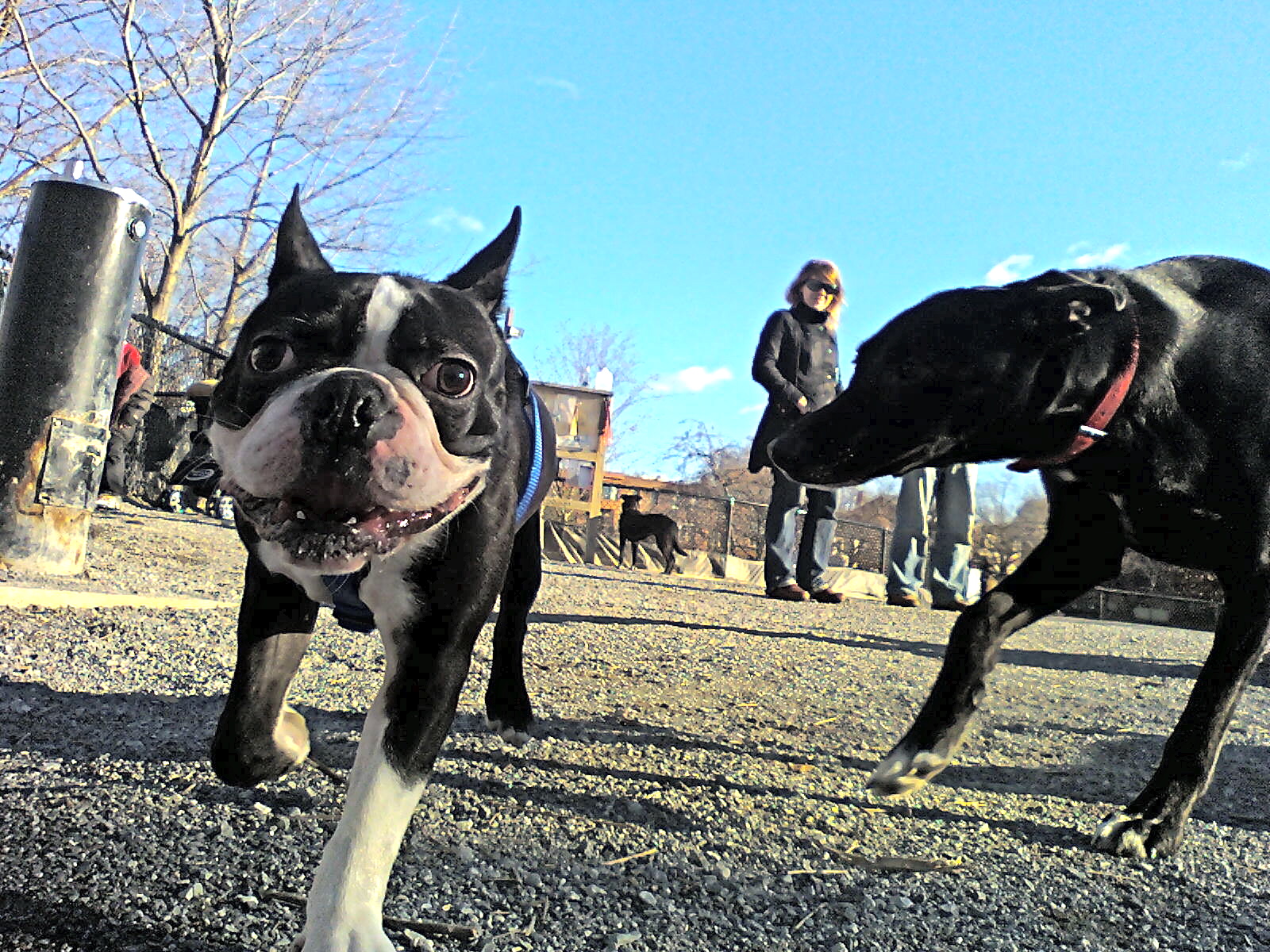
    The Boston Terrier is a compact American companion breed with a short coat, square outline and distinctive white markings. The American Kennel Club standard divides adults into weight classes under 15 pounds, 15 to under 20 pounds, and 20 to no more than 25 pounds. Often called the “American Gentleman,” the breed is commonly sociable, playful and closely attached to people. Its small size can suit city life, but a short muzzle and prominent eyes add health and safety responsibilities that prospective owners should understand before bringing one home. Families comparing small companion breeds can also review the Havanese guide, especially its coat care and time-alone needs.

    Temperament and household fit

    Many Boston Terriers are affectionate, alert and eager to join household activities. They often enjoy visitors and can live well with considerate children or other pets after careful introductions. These are breed tendencies rather than promises: inherited temperament, early experience, training and health shape each dog. Adults should supervise every interaction with young children, protect the dog’s resting place and teach children never to grab, corner or climb on a dog.

    A Boston may fit an apartment when toilet breaks, play, exercise and quiet-time training are reliable. The breed’s people-focused nature means long, routine periods alone may be difficult. Build independence gradually with a safe resting area, a food toy and brief absences. Persistent barking, destructive behavior, pacing or house soiling during departures deserves help from a veterinarian or qualified behavior professional rather than punishment.

    Exercise, heat and breathing safety

    Healthy adults usually benefit from daily walks, play and short training sessions, adjusted for age, fitness and individual breathing. Several moderate outings are safer than one exhausting workout. Puppies need exploration and controlled play without repeated high jumps or forced distance running. Older dogs may need shorter routes and better footing. Sniffing games, food searches and simple tricks add mental work without demanding continuous speed.

    Boston Terriers are brachycephalic, meaning their skull and muzzle are shortened. Some breathe freely, while others develop brachycephalic obstructive airway syndrome. Noisy breathing should not automatically be dismissed as normal. Avoid strenuous activity in heat or humidity, walk during cooler hours, carry water and use a well-fitted harness if neck pressure worsens breathing. Stop immediately for distressed breathing, weakness, blue or gray gums, confusion or collapse and seek urgent veterinary care. Never leave any dog in a parked vehicle.

    Training, socialization and daily manners

    Use reward-based training with small food rewards, toys and access to valued activities. Teach name response, recall, loose-leash walking, leave-it, settling on a mat and calm handling. Short sessions suit a lively companion and make it easier to finish before attention fades. Harsh corrections can create fear or conflict and do not explain the behavior you want. A front-clip or comfortable Y-shaped harness may help with walking while training progresses, provided it does not restrict shoulder movement.

    Good socialization gives a puppy safe, positive exposure to people, friendly vaccinated dogs, traffic sounds, grooming, car travel and different surfaces. It does not mean forcing greetings. Let the dog observe from a comfortable distance and pair new experiences with rewards. Continue social learning through adulthood. Practice calm behavior around doorways and visitors so enthusiasm does not become jumping or frantic greetings.

    Coat, eyes, ears, teeth and nails

    The smooth short coat needs modest grooming. Brush weekly with a soft brush or grooming mitt to collect loose hair and inspect the skin. Bathe when dirty with a dog-safe product and dry the skin folds around the face carefully. Check ears for redness, odor, discharge or pain. Trim nails before they become long enough to alter gait, and introduce nail handling with tiny steps and rewards.

    Large, prominent eyes are vulnerable to irritation and injury. Keep sharp vegetation away from face height and seek prompt veterinary care for squinting, redness, cloudiness, discharge or rubbing. Do not use leftover eye medication. Brush teeth daily with canine toothpaste because small dogs can accumulate dental disease. A veterinarian can assess retained baby teeth, crowded teeth, gum disease and the need for professional cleaning.

    Feeding and healthy body condition

    Feed a complete and balanced diet appropriate for the dog’s life stage. Measure meals and count training treats within the daily total. Package directions are starting estimates; actual needs vary with size, age, activity, neuter status and health. A veterinarian can help assess body condition: ribs should be easy to feel beneath a light covering, with a visible waist from above. Excess weight increases physical effort and can worsen heat and breathing stress.

    Provide fresh water at all times and change foods gradually unless a veterinarian directs otherwise. Use a bowl or feeder that lets the dog eat comfortably without frantic gulping. Repeated vomiting, regurgitation, coughing during meals, diarrhea or poor growth requires veterinary assessment. Avoid supplements and extreme diets based on online claims, because unnecessary additions can unbalance an otherwise complete food.

    Health screening and veterinary care

    Responsible breeders document health testing for the parents and make results available for buyers to verify. The Boston Terrier Club of America’s current health certification information includes hearing evaluation with BAER testing, an eye examination and patellar evaluation; buyers should check the club and Orthopedic Foundation for Animals for the current panel. The OFA respiratory function grading scheme also accepts Boston Terriers for objective airway assessment. A CHIC number means the required results were completed and made public, not that every result was normal.

    Possible concerns include airway obstruction, heat intolerance, corneal injury, cataracts, deafness, kneecap instability and spinal abnormalities. Risk is not a diagnosis, and many dogs remain active companions with thoughtful care. Schedule preventive examinations, vaccination, parasite control and dental care according to local veterinary advice. Seek care for exercise intolerance, fainting, persistent cough, new breathing noise, limping, head shaking, vision change, seizures or unexplained behavior change.

    Choosing a breeder or rescue

    Ask a breeder for the registered names of both parents and verify health results rather than accepting “vet checked” as proof. Meet the mother and, when possible, other adult relatives. Observe breathing at rest and after gentle movement, movement quality, eye comfort and recovery from excitement. A responsible breeder discusses limitations honestly, raises puppies in a clean enriched setting, uses a written contract and remains available after placement. Avoid sellers who market unusual colors as more important than health or who refuse to share records.

    Rescue can be a good choice when the organization provides a clear account of medical needs, behavior, home habits and reactions to children or animals. Before arrival, prepare secure identification, a comfortable harness, barriers, safe chew items and a quiet bed. Keep the first days predictable, continue the familiar food at first and arrange a veterinary visit. Pet insurance or a dedicated emergency fund can make unexpected airway, eye or orthopedic care easier to manage.

    Safety and lifelong welfare

    Use a leash near traffic and a secure crate or tested restraint in vehicles. Because a Boston Terrier can be vulnerable to temperature extremes, provide a warm indoor resting place in cold weather and shade, water and limited exertion in heat. Keep medicines, xylitol, chocolate, grapes, raisins and other toxins inaccessible. Choose toys large enough not to swallow and inspect them for damaged pieces.

    Good welfare includes companionship, sleep, gentle training, chances to sniff and play, routine medical care and protection from avoidable breathing stress. The right home values the dog as a social companion rather than treating small size as evidence of low needs. With realistic expectations and prompt attention to airway and eye health, a Boston Terrier can participate in family life for many years.

    Frequently asked questions

    How much exercise does a Boston Terrier need?

    Most healthy adults benefit from daily walks and play in several moderate sessions. Adjust activity for age, fitness, weather and breathing, and stop before the dog becomes distressed.

    Are Boston Terriers good apartment dogs?

    They can live well in apartments when they receive reliable toilet breaks, exercise, enrichment and training for quiet settling and gradual time alone.

    Do Boston Terriers tolerate hot weather?

    Their short muzzle can reduce cooling efficiency. Exercise in cooler periods, provide shade and water, avoid strenuous heat exposure and seek urgent help for breathing distress or collapse.

    How often should a Boston Terrier be groomed?

    Brush the short coat about weekly, check ears and skin regularly, trim nails as needed and brush teeth daily. Eye discomfort should be assessed promptly by a veterinarian.

    What health tests should a Boston Terrier breeder show?

    Ask for publicly verifiable results for hearing, eyes and patellas and check the current parent-club and OFA recommendations, including available respiratory function assessment.

    Sources and image credit

    Featured image: Boston Terrier in a Philadelphia dog park, photograph by Lyonspen via Wikimedia Commons, licensed under CC BY-SA 3.0.

  • Pembroke Welsh Corgi

    Pembroke Welsh Corgi

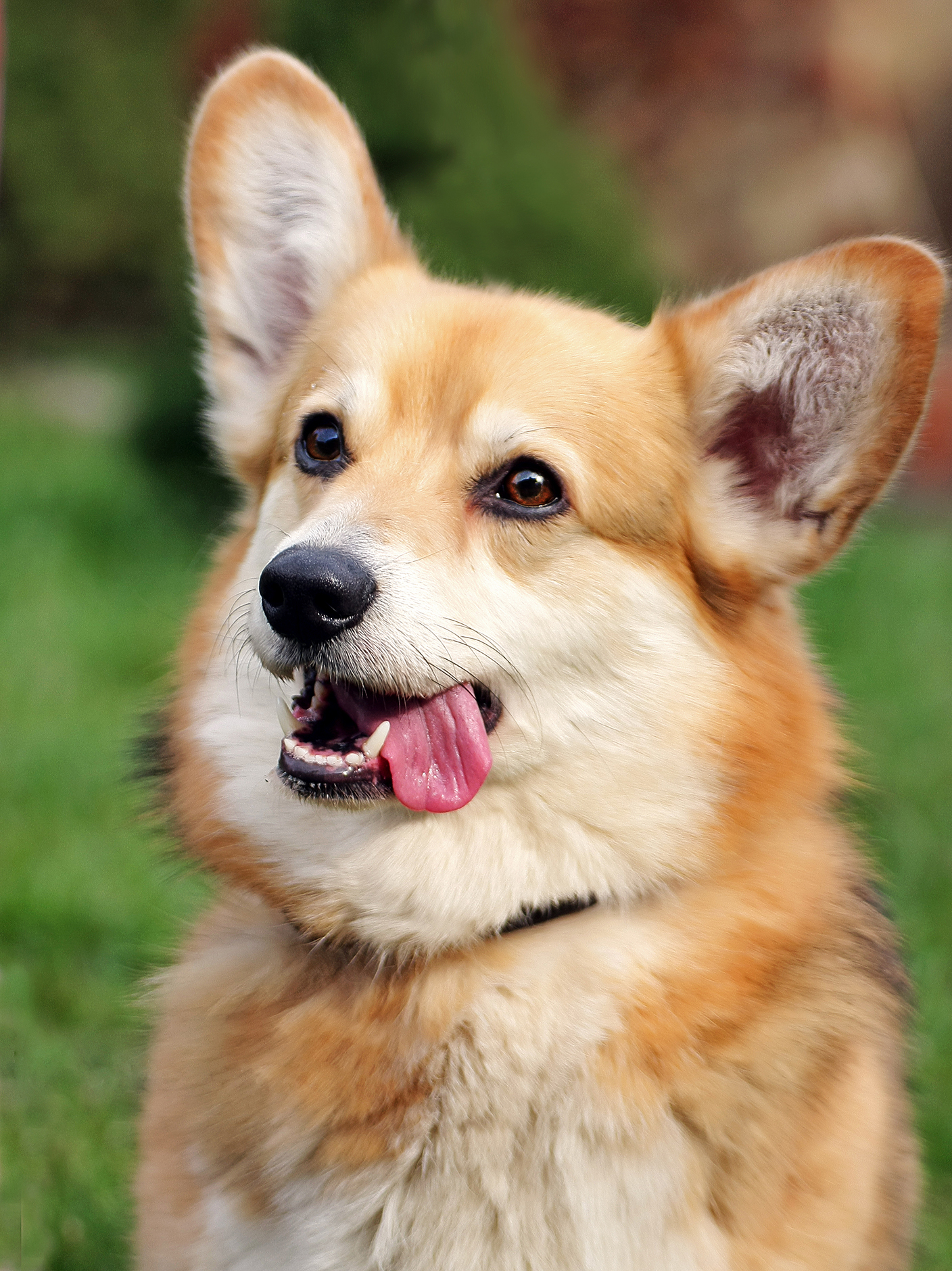
    The Pembroke Welsh Corgi is a compact Welsh herding breed with an alert expression, upright ears, a weather-resistant double coat and far more drive than its short legs suggest. The American Kennel Club standard describes adults as 10–12 inches at the shoulder, with males up to 30 pounds and females up to 28 pounds. A Pembroke can be an affectionate, highly trainable companion, but prospective owners should plan for daily activity, frequent shedding, vocal alerting and careful weight management.

    Temperament and household fit

    Pembrokes were developed to move cattle and work around farms. That background helps explain their confidence, quick reactions and tendency to monitor movement. Well-bred dogs are typically lively, loyal and interested in their people. They are small enough for many homes but are not passive lapdogs. An owner who enjoys training, walks and shared activities is usually a better match than someone seeking a dog content with little engagement.

    Many live successfully with children when socialized and supervised. Herding behavior can appear as chasing or nipping at moving heels, so teach an alternative before it becomes a habit. Children should never climb on, corner or disturb a sleeping or eating dog. Introduce cats and dogs gradually, give each animal separate resources and judge compatibility by the individual rather than assuming the breed guarantees it.

    Exercise and enrichment

    Healthy adults benefit from daily walks, sniffing, play and short training sessions. Moderate exercise suits the breed better than repeated high-impact jumping. Hiking, tracking, obedience, rally, controlled fetch and herding activities can provide useful variety. Increase intensity gradually, avoid hot pavement and watch for slowing, limping or reluctance to move.

    Puppies need exploration, social learning and sleep rather than forced running. Their skeletons are still developing. Indoors, food puzzles, scent searches, toy rotation and calm settling practice work the brain without pounding the joints. A bored Pembroke may bark, chew, chase or invent a patrol route through the house. Activity should build fitness and self-control instead of simply exhausting the dog.

    Training and socialization

    Start reward-based training as soon as the dog arrives. Useful early skills include name response, recall, loose-leash walking, leave-it, dropping objects, waiting at doors, settling on a mat and accepting handling. Pembrokes learn quickly and may also learn unwanted patterns quickly. Prevent rehearsal with gates, leashes and sensible storage, then reinforce the behavior you want.

    Socialization means controlled, positive exposure rather than forced greetings. Pair people, friendly vaccinated dogs, vehicles, household noises, surfaces and veterinary handling with food, play and distance. Teach the puppy that it can look and disengage. If it freezes, hides, lunges or cannot take food, the situation is too difficult. A qualified reward-based trainer or veterinary behavior professional should address persistent fear, guarding or aggression early.

    Coat, nails, teeth and ears

    The short double coat sheds throughout the year and often releases much more undercoat seasonally. Brush at least weekly and more often during heavy shedding. A slicker brush and comb can lift loose coat without shaving the protective layers. Bathe when dirty with dog-safe shampoo, rinse thoroughly and dry the dense coat to the skin. Sudden hair loss, odor, sores or persistent itching needs veterinary assessment.

    Trim nails regularly so the feet maintain stable contact with the floor. Brush teeth daily with canine toothpaste and arrange professional dental care as advised. Check ears for redness, odor, pain or discharge without inserting swabs into the canal. Cooperative care training—paw touches, chin rests and brief stillness—makes routine grooming safer and reduces stress.

    Feeding and weight control

    Feed a complete and balanced diet appropriate for age and measure portions. Use part of the daily ration for training and count treats. The Pembroke Welsh Corgi Club of America warns owners not to allow excess weight. Extra mass increases the load on a long-backed, short-legged body and can worsen mobility problems. A veterinarian can show you how to feel the ribs and assess the waist rather than relying only on a scale.

    Avoid unbalanced homemade or raw diets unless formulated and monitored by a board-certified veterinary nutritionist. Keep chocolate, grapes, raisins, xylitol, onions, medications and cannabis products inaccessible. Sudden appetite change, repeated vomiting, diarrhea, abdominal pain or rapid weight change warrants veterinary advice. Fresh water should always be available.

    Health screening and veterinary care

    The national breed club recommends verifiable screening of breeding dogs rather than a vague claim that parents were “vet checked.” The Pembroke Welsh Corgi Club of America highlights hip evaluation and eye examination and discusses inherited risks including von Willebrand disease and degenerative myelopathy. Available tests must be interpreted correctly: a DNA result addresses a specific variant and does not replace clinical examinations or guarantee lifetime health.

    As a chondrodysplastic, long-backed breed, a Pembroke also needs sensible protection from obesity, slippery floors and repeated jumps from furniture. Limping, weakness, dragging toes, back pain or loss of coordination requires prompt veterinary care. Maintain routine examinations, vaccination, parasite prevention and dental care under local guidance. Ask a breeder for original public results for both parents and for a clear family history of longevity and temperament.

    Housing, time alone and safety

    Apartment living can work when exercise, toilet breaks and barking are managed. Floor area matters less than a predictable routine and access to suitable outdoor space. Use non-slip rugs, a supportive bed and ramps or management where repeated stair or furniture jumps are a concern. Secure fencing is valuable because a herding dog may chase movement. An electronic boundary does not stop traffic, wildlife or other dogs from entering.

    Teach time alone in small steps using a comfortable rest area and safe enrichment. Sudden full workdays can cause distress or toileting problems. Arrange a walker or sitter when needed. Keep identification and microchip records current, use a leash near roads and restrain the dog safely in vehicles. Never leave any dog in a parked car.

    Choosing a breeder or rescue

    A responsible breeder discusses strengths and problems openly, documents recommended health screening, raises puppies in a clean enriched setting, uses a contract and remains available after placement. Meet the mother and, when possible, other adult relatives. Avoid sellers focused on “rare” colors, extreme proportions or instant payment, and those unwilling to show where puppies live.

    Rescue is another sound route. Ask how the individual responds to handling, visitors, children, animals, food, confinement, grooming and time alone. Obtain medical records and clarify post-adoption support. Keep the first weeks predictable, schedule a veterinary examination and arrange training early. The goal is a good match, not the fastest placement.

    Frequently asked questions

    Are Pembroke Welsh Corgis good family dogs?

    Many are affectionate and loyal family companions, but their herding drive, alert barking and energy require training, activity and adult supervision around children.

    How much exercise does a Pembroke Welsh Corgi need?

    Healthy adults need daily walks, play and mental work, with intensity adjusted for age, fitness, weather and veterinary advice.

    Do Pembroke Welsh Corgis shed a lot?

    Yes. Their dense double coat sheds year-round and often more heavily during seasonal coat changes, so regular brushing is essential.

    Can a Pembroke Welsh Corgi live in an apartment?

    Yes, if the dog receives reliable exercise, training, toilet access and mental enrichment and the owner manages barking and shared-space manners.

    What health tests should a Pembroke Welsh Corgi breeder show?

    Ask for verifiable hip and eye results and discuss testing for inherited concerns such as von Willebrand disease and degenerative myelopathy, following current national breed-club guidance.

    Sources and image credit

    Featured image: Pembroke Welsh Corgi photographed by Marsiyanka, from Wikimedia Commons, licensed CC BY-SA 3.0.

  • Doberman Pinscher

    Doberman Pinscher

    The Doberman Pinscher is an athletic working breed developed in Germany and known for close family bonds, vigilance, and fast learning. The American Kennel Club standard describes males at 26–28 inches and females at 24–26 inches at the shoulder; common adult weights span roughly 60–100 pounds. Those figures describe the breed, not a promise for an individual puppy. A well-bred Doberman can be affectionate and steady, but its strength, speed, protective tendency, and need for daily engagement make thoughtful training and health screening essential.

    Temperament and household fit

    Breed standards describe the Doberman as energetic, watchful, determined, alert, fearless, loyal, and obedient. Good temperament is neither indiscriminate friendliness nor uncontrolled suspicion. A stable dog notices change, responds to its handler, and can settle when no threat exists. Genetics, early care, pain, learning history, and the household all shape behavior, so meet adult relatives when possible and avoid sellers who market anxiety or aggression as proof of protection ability.

    Many Dobermans live happily with respectful children, but adults must supervise. A young dog can knock over a child during play, and no child should climb on, corner, or disturb a sleeping or eating dog. Introduce other pets gradually behind gates and on loose leashes. Some individuals have strong chase behavior or are selective with unfamiliar dogs. Provide separate feeding and resting areas and judge compatibility by behavior rather than breed labels alone.

    Exercise and mental work

    Healthy adults need substantial daily physical activity plus tasks that use the brain. Brisk walks, hiking, controlled running after maturity, scent searches, obedience, tracking, agility foundations, and structured play can all help. Increase work gradually and adjust for heat, surface, fitness, and veterinary advice. Repetitive ball chasing with hard stops can strain the body; varied movement and recovery are more useful than exhausting a dog in one intense session.

    Puppies need frequent short outings, exploration, play, and sleep rather than forced distance running. Growth plates and coordination are still developing. Mental enrichment can include food puzzles, finding hidden items, naming toys, pattern games, and calm place training. A bored Doberman may invent activities such as barking, chewing, fence running, or monitoring every movement in the home. Exercise cannot replace training, rest, or social contact.

    Training and socialization

    Begin reward-based training immediately. Priorities are name response, recall, loose-leash walking, leave-it, dropping objects, waiting at doors, settling on a mat, and accepting veterinary handling. Short clear sessions prevent frustration. Reinforce behavior you want and manage the environment so unwanted behavior is not rehearsed. Harsh physical corrections can increase fear and defensive responses in a powerful, sensitive dog.

    Socialization means safe exposure at a distance the puppy can handle, not forced greetings. Pair people, calm vaccinated dogs, traffic, household sounds, surfaces, vehicles, grooming, and clinic visits with food, play, and choice. Teach recovery after surprises. If the dog freezes, hides, lunges, or cannot eat, increase distance. A qualified reward-based trainer or veterinary behavior professional should address persistent fear, guarding, separation distress, or aggression early.

    Grooming, teeth, ears, and nails

    The short smooth coat is relatively simple. Brush with a rubber mitt or soft brush once or twice weekly to remove loose hair and inspect the skin. Bathe when dirty with dog-safe shampoo and rinse thoroughly. Dobermans can feel cold because the coat offers little insulation, so limit exposure in severe weather and use a well-fitted coat when appropriate. Sudden hair loss, sores, odor, or persistent itching needs veterinary assessment.

    Brush teeth daily with canine toothpaste. Trim nails often enough to maintain quiet, stable footing; long nails alter posture and reduce traction. Check ears weekly for redness, discharge, odor, or pain, without putting swabs into the canal. Natural and cropped ears both require observation, and cropping is a separate ethical and legal issue that does not improve the dog’s worth as a companion. Teach cooperative chin rests, paw touches, and stillness before care becomes urgent.

    Feeding and body condition

    Choose a complete and balanced food for the dog’s life stage and feed measured portions. Use some of the daily ration for training and count treats. A veterinarian can show how to assess body condition: ribs should be easy to feel beneath a light covering, with a waist visible from above. Excess weight increases stress on joints and the cardiovascular system, while sudden weight loss can signal disease.

    Avoid unbalanced homemade or raw diets unless formulated and monitored by a board-certified veterinary nutritionist. Keep chocolate, grapes, raisins, xylitol, onions, medications, and cannabis products inaccessible. Discuss meal timing and gastric dilatation-volvulus risk with the veterinarian. Repeated unproductive retching, a swollen abdomen, drooling, restlessness, weakness, or collapse requires immediate emergency care.

    Health screening and veterinary care

    Dobermans have a serious breed risk for dilated cardiomyopathy. A dog can appear normal before rhythm abnormalities or weak heart contraction become obvious. Responsible breeding programmes use repeated cardiac screening by a veterinary cardiologist, commonly including echocardiography and ambulatory electrocardiography. One normal test at a young age does not provide lifetime clearance. Seek prompt care for fainting, coughing, reduced stamina, rapid breathing at rest, or collapse.

    Breeding dogs should also have verifiable testing relevant to von Willebrand disease, hips, thyroid function, and eyes according to current Doberman Pinscher Club of America and OFA guidance. DNA status must be interpreted correctly: a genetic result may show clear, carrier, or at-risk status for a variant, while clinical expression can be more complex. Ask for original, public results for both parents rather than accepting “health checked.”

    Other concerns include cervical vertebral instability commonly called Wobbler syndrome, hip dysplasia, hypothyroidism, chronic hepatitis, and bloat. Maintain routine examinations, vaccination, parasite prevention, and dental care under local veterinary guidance. Know the nearest emergency hospital and keep transport available for a dog that cannot walk.

    Time alone, housing, and safety

    Dobermans commonly want close involvement in family life and are poorly suited to isolation in a yard or kennel. Teach time alone in small steps with a safe resting area and durable enrichment. Sudden full workdays can trigger distress. Arrange a walker, sitter, or suitable day care when toilet, exercise, and social needs cannot be met. Secure fencing is essential; an electronic boundary does not stop other animals entering and may fail during a high-arousal chase.

    Apartment living can work for an individual with enough outings, training, and quiet behavior, but access matters more than floor area. Use non-slip rugs, a supportive bed, and a vehicle restraint or sturdy crate. Keep identification and microchip details current. Use a leash near roads, avoid hot pavement, and never leave a dog in a parked vehicle.

    Choosing a breeder or rescue

    A responsible breeder discusses longevity, temperament, and health problems as openly as appearance. They show public health results, explain how puppies are raised and socialized, use a contract, screen homes, and remain available after placement. Avoid sellers who advertise extreme size, “rare” color, or protection aggression, always have puppies available, hide living conditions, or cannot document cardiac screening.

    Rescue can be an excellent route. Ask how the dog responds to handling, visitors, children, animals, food, vehicles, confinement, and time alone. Obtain medical records and clarify support after adoption. Keep the first weeks predictable and do not overwhelm a new dog with visitors or dog parks. Book a veterinary examination and arrange training before problems become established.

    Frequently asked questions

    Are Doberman Pinschers good family dogs?

    Many are loyal and affectionate family companions, but their strength and protective tendencies require stable breeding, early socialization, reward-based training, and adult supervision around children.

    How much exercise does a Doberman Pinscher need?

    Healthy adults usually need substantial daily walking, play, training, and mental work. The amount should be adjusted for age, fitness, heat, health, and veterinary advice.

    Do Doberman Pinschers need much grooming?

    The short coat needs only regular light brushing and occasional bathing, but teeth, nails, ears, skin, and cooperative handling still need consistent care.

    Can a Doberman Pinscher live in an apartment?

    Yes, an individual can succeed with reliable exercise, training, toilet access, and calm indoor habits, although stairs, noise, and limited outdoor access may complicate care.

    What health tests should a Doberman breeder show?

    Ask for current, verifiable cardiac screening plus the breed club’s recommended testing for von Willebrand disease, hips, thyroid, and eyes for both parents.

    Sources and image credit

    Featured image: four-month-old Doberman Pinscher photographed by Willitorivera, from Wikimedia Commons, licensed CC BY-SA 3.0.

  • Great Dane

    Great Dane

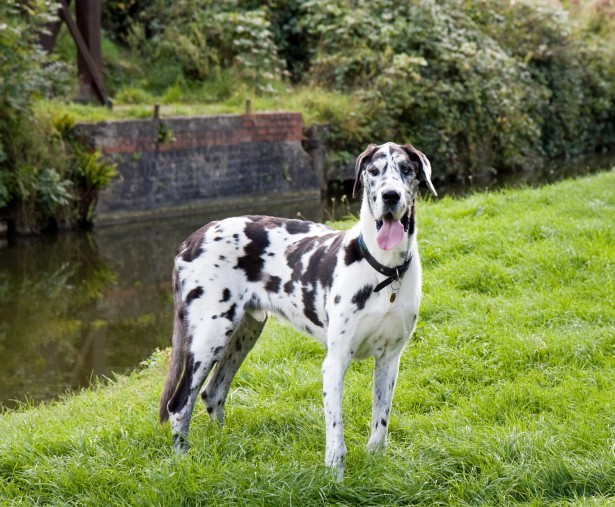
    The Great Dane is a giant companion breed whose calm presence can make its size look effortless. In practice, living well with one requires careful planning for space, training, food, veterinary care and safe handling. The American Kennel Club standard describes males as at least 30 inches at the shoulder, with 32 inches or more preferred, and females as at least 28 inches, with 30 inches or more preferred. Many adults weigh roughly 110–175 pounds. A Dane can be affectionate and dependable, but even a friendly untrained dog of this size can accidentally knock over a child, pull an adult off balance or reach food and hazards that smaller dogs cannot. For a smaller but energetic working companion, compare the training, heat and cardiac considerations in the Boxer guide.

    Temperament and household fit

    Great Danes are commonly described as friendly, patient and people-oriented. Breed tendencies are only a starting point: temperament also reflects genetics, early experience, health and training. A suitable household wants a very large dog close to family life and can provide consistent boundaries without harsh treatment. Many Danes enjoy visitors after a thoughtful introduction, while others are naturally watchful. Early socialization should help the dog feel safe and recover calmly rather than require enthusiastic greetings with everyone.

    Danes may live successfully with considerate children and other pets, but adults must supervise. A wagging tail or playful turn can send objects flying, and a young dog may not understand its strength. Give every animal a separate resting and feeding area, introduce pets gradually and use gates when direct supervision is unavailable. Apartment living can work for an individual with reliable outdoor access and good manners, but narrow stairs, slippery floors, small lifts and limited toilet options can make daily care difficult.

    Space, equipment and everyday handling

    Before bringing a Dane home, picture the adult dog moving through every doorway, vehicle and room. Provide a bed large enough to stretch out, washable covers, non-slip rugs and a secure outdoor area. Choose a wide, properly fitted collar or harness and inspect it often as a puppy grows. Teach the dog to wait at doors, stand calmly for handling and walk without pulling. These skills protect both dog and handler when strength and weight increase.

    A suitable vehicle should allow the dog to enter without a dangerous leap and ride restrained in a sturdy crate or appropriate tested harness. Ramps can help, but introduce them gradually and add a non-slip surface. Keep food well away from counter edges, secure bins and store medicines and toxins behind closed doors. A standard baby gate may be too low or weak for a determined giant dog, so select barriers for the individual animal and check their fittings.

    Exercise and mental enrichment

    Great Danes need daily activity, yet they are not built for endless high-impact exercise. Healthy adults often do well with regular walks, sniffing, training games and controlled play, adjusted for fitness, weather and veterinary advice. Build duration gradually. Stop for heavy panting, weakness, poor coordination, pain or reluctance to continue. Their large bodies can overheat, so use cooler parts of the day in warm weather and always provide water and shade.

    Growing puppies need particular care because bones and joints are still developing. Avoid forced distance running, repeated jumping and hard stops on slippery surfaces until a veterinarian advises that growth is sufficiently mature. Mental work can tire a dog without pounding the joints: scatter part of a meal for a search, teach object names, practice settling on a mat or use food puzzles designed so large jaws cannot swallow the parts. Quiet rest is a real need, especially for puppies.

    Training, socialization and time alone

    Begin reward-based training immediately. Priorities include name response, recall, loose-leash walking, leave-it, dropping objects, settling, accepting grooming and moving away from a doorway on cue. Short sessions with food or play rewards are easier to understand than long drills. Physical punishment can create fear or defensive behavior and is especially unsafe in a powerful dog. A qualified reward-based trainer can help before pulling, guarding or anxiety becomes established.

    Socialization means calm, positive exposure at a distance the dog can handle. Pair people, friendly vaccinated dogs, traffic, veterinary handling, household sounds and varied surfaces with rewards and choice. Do not flood a worried puppy or force contact. Teach brief periods alone with a comfortable gated area, a safe chew and gradual absences. Great Danes often form strong attachments, so sudden long workdays can lead to distress; arrange a walker or sitter when normal toilet, exercise and social needs cannot be met.

    Coat, ears, teeth and nails

    The short coat is comparatively simple to maintain, although the dog’s surface area makes every task larger. Brush weekly with a rubber grooming mitt or soft brush to remove loose hair and inspect the skin. Bathe when dirty with dog-safe shampoo, rinse fully and dry the skin folds and feet. Increased shedding may call for more frequent brushing. Persistent itching, odor, bald spots, sores or a sudden coat change warrant veterinary attention.

    Check ears weekly for redness, discharge, odor or pain without inserting swabs into the canal. Brush teeth daily with canine toothpaste and schedule professional dental care when advised. Trim nails frequently enough that they do not change the dog’s stance or click heavily on the floor. Long nails reduce traction, which matters on a giant frame. Start cooperative handling while the dog is small, rewarding a chin rest, paw touch and stillness. Ask a groomer or veterinary professional to demonstrate safe nail care if needed.

    Feeding and healthy growth

    Feed a complete and balanced food appropriate for the dog’s life stage. Great Dane puppies need a diet formulated for growth of large-size dogs so calorie and mineral levels support controlled development. More food does not create a healthier or better-grown dog. Measure meals, count training rewards and monitor body condition with a veterinarian. Ribs should be easy to feel beneath a light covering, with a visible waist from above. Excess weight places additional stress on joints and the cardiovascular system.

    Discuss meal size, timing and bloat risk with the veterinarian. Great Danes are among the breeds at risk for gastric dilatation-volvulus, an emergency in which the stomach enlarges and may twist. No feeding routine eliminates the risk. Learn the warning signs: an enlarged or tight abdomen, repeated unproductive retching, drooling, restlessness, pain, weakness or collapse. These require immediate emergency care, not observation at home. Ask the veterinarian whether preventive gastropexy is appropriate for the individual dog.

    Health screening and veterinary care

    The Great Dane Club of America recommends that breeding dogs have evaluations covering hips, heart, thyroid and eyes, with cardiac and thyroid screening repeated at appropriate intervals. Ask a breeder for publicly verifiable results for both parents rather than accepting “vet checked” as a substitute. A CHIC number indicates that the program’s required tests were completed and made public; it does not guarantee that all results were normal or that a puppy cannot develop disease.

    Health concerns in the breed include gastric dilatation-volvulus, dilated cardiomyopathy and other heart disease, hip dysplasia, thyroid disorders and eye disease. Seek veterinary assessment for fainting, coughing, reduced stamina, rapid or difficult breathing, persistent limping, unexplained weight change or changes in thirst and energy. Maintain routine examinations, vaccination, parasite prevention and dental care according to local veterinary guidance. Because giant dogs can be difficult to move in an emergency, know the nearest emergency clinic and have a transport plan before one is needed.

    Choosing a breeder or rescue

    A responsible breeder discusses longevity and difficult traits as readily as appearance. They should explain the parents’ temperaments, show original health results, raise puppies in a clean enriched setting, use a written contract and remain available after placement. Avoid sellers who always have puppies ready, market rare color as more important than health, refuse to show where dogs live or pressure for immediate payment. The official breed standard also identifies accepted colors and markings; unusual marketing labels do not make health testing optional.

    Rescue can be an excellent route, especially when an adult dog’s size and behavior are already visible. Ask how the dog responds to handling, visitors, children, other animals, food, vehicles and time alone. Confirm any known medical history and what support the organization provides. Before arrival, arrange identification and microchip registration, secure the home, obtain appropriately sized equipment and book a veterinary visit. Keep the first days quiet and predictable while learning the individual dog’s signals.

    Safety, costs and long-term commitment

    Routine costs scale with size: food, medications, beds, crates, boarding and some procedures can cost considerably more than for a medium dog. Emergency treatment may require special equipment and several people to move a non-ambulatory patient. Plan insurance or a dedicated emergency fund and confirm that housing, transport and care arrangements accept giant breeds. Consider who can safely manage the dog if the primary caregiver is injured or away.

    Use a leash near roads, supervise around pools and never leave a dog in a parked vehicle. Keep chocolate, grapes, raisins, xylitol, medicines and other toxins inaccessible. Teach children to leave sleeping, eating or retreating dogs alone. A Great Dane’s welfare depends on gentle training, social contact, adequate rest, preventive care and daily opportunities to explore. The right home prepares for the reality of a giant body and values the dog as a close companion throughout a life that is often shorter than that of smaller breeds.

    Frequently asked questions

    Are Great Danes good family dogs?

    Many are affectionate family companions, but their size requires training, supervision around children and enough space for safe movement and rest.

    How much exercise does a Great Dane need?

    Healthy adults need regular moderate walks, enrichment and play. Puppies should avoid forced running and repeated high-impact exercise while growing.

    How much space does a Great Dane need?

    A large yard is not essential, but the dog needs room to turn, lie fully stretched out and move safely, plus reliable access for walks and toilet breaks.

    How often should a Great Dane be groomed?

    Brush the short coat about weekly, check ears and skin, brush teeth daily and trim nails often enough to preserve comfortable footing.

    What health tests should a Great Dane breeder provide?

    Ask for verifiable hip, cardiac, thyroid and eye results for both parents and compare them with the current Great Dane Club of America and OFA recommendations.

    Sources and image credit

    Featured image: Great Dane portrait from Wikimedia Commons, dedicated to the public domain under CC0 1.0.

  • Cocker Spaniel

    Cocker Spaniel

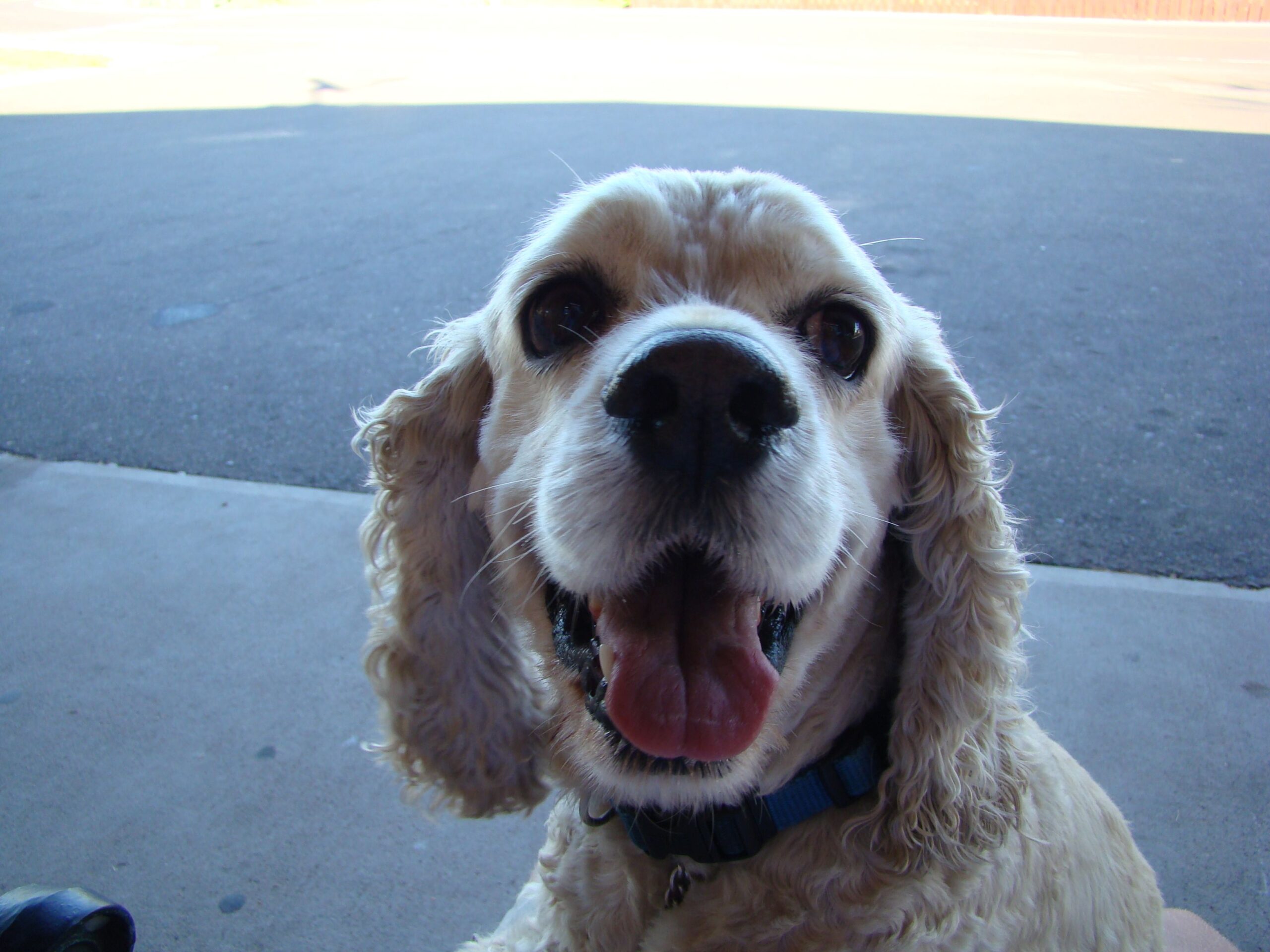
    In American Kennel Club usage, the Cocker Spaniel is the American Cocker Spaniel, a compact sporting dog developed from spaniels used to find and flush game birds. The English Cocker Spaniel is a separate breed, so this guide uses the American breed’s size, standard and health recommendations. Adults are generally 13.5–15.5 inches tall and about 20–30 pounds. Their merry, people-oriented temperament can make them appealing companions, but the long coat, pendulous ears, active mind and need for close social contact require steady care. A suitable home can provide daily activity, frequent grooming, kind training and preventive veterinary support throughout the dog’s life. The Cavalier King Charles Spaniel guide provides a relevant comparison for families considering a smaller companion spaniel.

    Temperament and household fit

    Cocker Spaniels are commonly described as gentle, responsive and eager to participate with their people. Their sporting background also brings curiosity, scenting ability and enthusiasm outdoors. Breed tendencies are only a starting point: inherited temperament, early learning, health and individual experience all shape behavior. A puppy should not be expected to tolerate rough handling simply because the breed has a friendly reputation.

    Many Cockers adapt to apartments when they receive enough exercise, toilet breaks and companionship. They often suit families who want a dog involved in ordinary routines rather than one left alone for long days. Supervise children and teach them to leave a sleeping, eating or retreating dog undisturbed. Introduce resident dogs and cats gradually. Some individuals live peacefully with cats, but their bird-dog heritage makes secure management important around pet birds and other small animals.

    Exercise and enrichment

    A healthy adult generally needs daily walks, play and opportunities to explore with the nose. The goal is regular moderate activity, adjusted for age, conditioning, weather and medical advice, rather than exhausting the dog. Puppies benefit from short sessions on safe surfaces and should avoid forced distance running or repeated high-impact jumping while developing. Older dogs may need shorter outings, warm-up time and more recovery while still benefiting from movement.

    Sniff walks, food searches, retrieve games, beginner scent work and short training sessions use both mind and body. Many Cockers enjoy rally, obedience, tracking, agility or field activities when introduced safely. Use a leash or secure fence outdoors because a moving bird or strong scent can defeat an unfinished recall. Balance exciting play with calm activities such as chewing, settling on a mat and resting in a quiet place.

    Training and socialization

    Use reward-based methods and brief, clear sessions. Practice recall, loose-leash walking, leave-it, drop, waiting at doors and cooperative handling. Cockers can be sensitive to harsh treatment; intimidation may increase fear or defensive behavior instead of teaching a reliable response. Reward the behavior you want, prevent repeated mistakes and increase difficulty gradually. A qualified positive-reinforcement trainer can help when guarding, fear, separation distress or reactivity appears.

    Good socialization gives a puppy safe, positive experiences with people, calm dogs, vehicles, household sounds, grooming equipment and different surfaces while allowing distance and choice. It does not mean forcing greetings. Begin gentle inspection of paws, ears, mouth and coat early, pairing each step with food, because lifelong grooming and veterinary care demand extensive handling. Build alone time in small increments so companionship does not become an inability to settle when the household leaves.

    Coat, ears, eyes, teeth and nails

    The silky coat and feathering can mat quickly, especially behind the ears, in the armpits and around the feet. Comb to the skin several times each week and check friction areas daily. Many companion dogs visit a professional groomer every four to eight weeks for bathing, trimming and coat care; the exact interval depends on coat length and lifestyle. Discuss the desired cut and home maintenance before choosing a schedule. Dry the dog thoroughly after swimming or bathing.

    Pendulous, well-feathered ears can trap moisture and limit airflow. Inspect them regularly for redness, odor, discharge, swelling or pain, and seek veterinary care when these occur. Do not probe the canal or put cleaner into a painful ear without advice. Check the eyes for squinting, cloudiness, redness or discharge. Brush teeth daily with canine toothpaste and trim nails before they alter stance or click heavily on the floor. Cooperative care keeps these routines safer and less stressful.

    Feeding and weight management

    Feed a complete and balanced diet appropriate to the dog’s life stage. Measure meals, count treats and use body condition rather than appetite alone to guide portions. You should be able to feel the ribs beneath a light covering and see a waist from above. Cockers can be persuasive around food, so divide some of the daily ration into training rewards rather than adding many extras.

    Growth diets for puppies should support steady development without encouraging excess weight. Adults with lower activity or after neutering may need portion adjustment. Fresh water should always be available. Sudden weight change, increased thirst, repeated vomiting, diarrhea or loss of appetite warrants veterinary attention. Therapeutic diets and supplements should address a diagnosed need; homemade diets require formulation by a qualified veterinary nutrition professional to avoid deficiencies.

    Health screening and veterinary care

    The American Spaniel Club and AKC parent-club guidance identify hip and ophthalmologist evaluations as core screening for breeding dogs. The club health statement calls for a current examination by a board-certified veterinary ophthalmologist and hip evaluation at the appropriate age, with OFA or accepted alternatives used according to current rules. Ask a breeder for results that can be independently verified for both parents. A general checkup or consumer DNA panel does not replace the recommended examinations, and a CHIC number records completion and disclosure rather than guaranteeing normal results.

    Reported breed concerns include cataracts and other eye disease, hip dysplasia, ear and skin disease, and some immune or endocrine disorders. A risk list is not a diagnosis, and many dogs never develop every listed problem. Arrange routine examinations, dental care, vaccination and parasite prevention based on local risk. Seek prompt help for a painful or cloudy eye, head shaking with ear pain, collapse, pale gums, unexplained bruising, lameness, severe itching, marked thirst or a sustained change in energy or appetite.

    Choosing a puppy or adult dog

    A responsible breeder can explain the difference between American and English Cockers, discuss strengths and challenges honestly, show verifiable health results and let buyers understand how puppies are raised. Puppies should receive appropriate veterinary care, early enrichment, written records and a contract that includes a return plan. Avoid sellers who make color or tiny size the main selling point, refuse to identify the parents, conceal living conditions or pressure an immediate payment.

    Rescue organizations may offer adults whose grooming tolerance, energy and household behavior are already better understood. Ask specifically about children, dogs, cats, birds, alone time, ear care and handling. Before arrival, arrange a veterinarian, groomer and humane trainer; prepare secure identification, a fitted harness, barriers, chew items and a quiet bed. Allow a newly adopted dog time to decompress before expecting visits, outings and perfect behavior.

    Safety and long-term welfare

    Use a leash near traffic and inspect fences for gaps. Restrain the dog in a vehicle with a suitable crate or tested harness. Keep medicines, xylitol, chocolate, grapes, raisins, nicotine and other toxins secured. Because a heavy coat can hide body changes, use your hands during grooming to check for lumps, sores, parasites and weight gain. Adjust activity during heat, ice, smoke or poor air quality, and never leave a dog in a parked vehicle.

    Long-term welfare includes predictable companionship, sufficient sleep, gentle grooming, opportunities to sniff and play, and relief from pain or chronic fear. Budget for professional grooming and unexpected medical care as well as routine expenses. A Cocker Spaniel should not spend most of the day isolated or merely serve as a decorative coat. With thoughtful management, this responsive sporting breed can be an affectionate and active household companion.

    Frequently asked questions

    Is the American Cocker Spaniel the same as the English Cocker Spaniel?

    No. They are separate breeds. In AKC usage, “Cocker Spaniel” refers to the smaller American Cocker Spaniel covered in this guide.

    How much exercise does a Cocker Spaniel need?

    A healthy adult needs daily walks, play and mental enrichment, with the amount adjusted for age, fitness, weather and veterinary advice.

    How often should a Cocker Spaniel be groomed?

    Comb the coat thoroughly several times weekly. Many companion Cockers need professional grooming about every four to eight weeks, depending on coat length and lifestyle.

    Why do Cocker Spaniel ears need close attention?

    The long, feathered ears can retain moisture and reduce airflow. Regular inspection helps owners notice odor, redness, discharge or pain that needs veterinary care.

    What health tests should a Cocker Spaniel breeder show?

    Ask for independently verifiable hip and ophthalmologist evaluations for both parents and confirm the current American Spaniel Club and OFA recommendations.

    Sources and image credit

    Featured image: American Cocker Spaniel photograph via Wikimedia Commons, released into the public domain.

  • Miniature Schnauzer

    Miniature Schnauzer

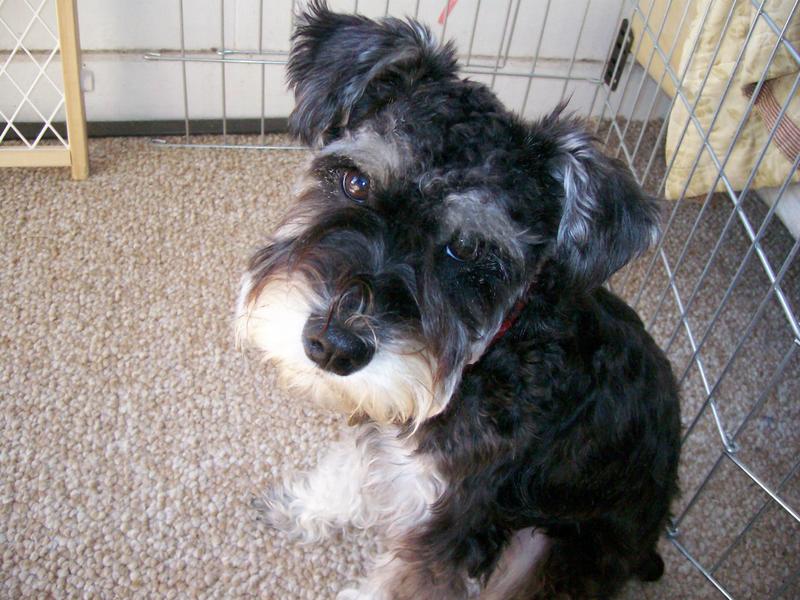
    The Miniature Schnauzer is a sturdy German farm breed developed to control vermin and now widely kept as an alert, trainable companion. The American Kennel Club gives an adult height of 12–14 inches and weight of 11–20 pounds, with a typical life expectancy of 12–15 years. Small size makes the breed adaptable, but the wiry double coat, busy terrier mind, strong chase instinct and tendency to sound the alarm require daily attention. A good match wants an involved family dog and can provide exercise, grooming, training and preventive veterinary care for many years. The Poodle guide offers a useful comparison of trainability, exercise and continuously growing coat care across three sizes.

    Temperament and household fit

    Miniature Schnauzers are commonly bright, friendly and spirited. They were bred to notice movement and pursue small pests, so vigilance and quick reactions are normal breed traits. Many become devoted to their household and enjoy being included in ordinary routines. Individual behavior still depends on genetics, early experiences, health and training; no breed label guarantees that a dog will like every child, visitor or animal.

    They can live successfully in apartments when toilet breaks, exercise and barking are managed. Shared walls make calm-settling and door-noise practice especially useful. Supervise interactions with children and teach children not to disturb a resting or eating dog. Introduce other dogs gradually. Cats may be compatible with careful introductions, but rabbits, rodents and other small pets need secure separation because an individual Schnauzer may retain strong prey drive.

    Exercise and enrichment

    A healthy adult needs regular daily exercise rather than occasional weekend outings. The AKC describes about an hour of activity as a useful general expectation, divided among walks, play and training, but the right amount varies with age, fitness, weather and health. Puppies need short, varied sessions with safe footing instead of forced distance running or repeated high jumps. Senior dogs often benefit from shorter walks, gentle strength work and more recovery time.

    Use the breed’s nose and problem-solving ability. Food searches, scatter feeding, puzzle toys, hide-and-seek and short skill sessions can tire the mind without simply increasing physical intensity. Earthdog, barn hunt, rally, obedience and agility may suit healthy individuals when introduced safely. Outdoors, use a leash or secure fence: a squirrel or rat can override an unfinished recall. Include quiet sniffing and mat-settling so the dog learns that every interesting event does not require barking or chasing.

    Training, socialization and barking

    Reward-based training works well with a clever dog that can become bored by repetition. Practice name response, recall, loose-leash walking, leave-it, drop, cooperative handling and going to a bed. Keep sessions brief, change the task before enthusiasm fades and reward the choices you want repeated. Harsh corrections can create conflict or increase defensive reactions, while clear routines and well-timed rewards build reliability.

    Socialization means safe, positive exposure with choice, not forced greetings. Let a puppy observe people, calm vaccinated dogs, traffic, grooming tools, household sounds and varied surfaces at a comfortable distance. For alert barking, reduce rehearsal with window film or barriers, acknowledge the alert, cue a practiced behavior and reward quiet. Do not expect silence from a watchdog breed, but persistent barking deserves a welfare review for boredom, fear, pain or separation distress. Build alone time gradually with short absences and a safe resting area.

    Coat, beard, ears, teeth and nails

    The breed has a harsh wiry outer coat over a soft undercoat and sheds relatively little. Low shedding does not mean no maintenance or no allergens. Brush and comb several times each week, working to the skin and checking the beard, eyebrows, armpits and leg furnishings for tangles. Food and water collect in the beard, so rinse or wipe it as needed and dry it well to reduce odor and skin irritation.

    Show coats are hand-stripped to preserve harsh texture. Most companion dogs are clipped by a professional groomer every five to eight weeks, which softens the coat but is practical for many households. Discuss the preferred style before booking. Bathe with dog-safe products when dirty. Check ears weekly for redness, odor, discharge or pain; do not place cleaners into a painful ear without veterinary advice. Brush teeth daily with canine toothpaste and trim nails before length changes the dog’s stance or gait.

    Feeding and weight management

    Feed a complete and balanced diet appropriate to puppy, adult or senior life stage. Measure portions, count training treats and assess body condition rather than relying only on a package chart. You should be able to feel the ribs beneath a light covering and see a waist from above. Small dogs can gain a meaningful percentage of body weight from seemingly modest extras, so use pieces no larger than needed for training.

    Miniature Schnauzers have recognized risks involving high blood lipids, pancreatitis and urinary stones. These do not justify a homemade low-fat or urinary diet without diagnosis; different problems require different nutrition. Avoid fatty table scraps and sudden diet changes, provide fresh water and ask a veterinarian about vomiting, abdominal pain, poor appetite, frequent urination, blood in urine or straining. Never add supplements or switch to a therapeutic diet on internet advice alone.

    Health screening and veterinary care

    The AKC parent-club recommendations list a cardiac examination and ophthalmologist evaluation for breeding dogs. Ask a breeder for publicly verifiable results on both parents and check the current American Miniature Schnauzer Club and Orthopedic Foundation for Animals guidance, because recommendations can change. A routine wellness check or consumer DNA panel is not a substitute for the specified examinations, and a CHIC number indicates that required results were published rather than guaranteeing that every result was normal.

    Reported breed concerns include cataracts and other eye disease, hyperlipidemia, pancreatitis, portosystemic liver shunts, urinary stones and dental disease. Most dogs will not develop every listed condition, and symptoms need veterinary diagnosis. Arrange regular examinations, vaccination and parasite prevention based on local risk. Seek prompt care for eye cloudiness or pain, collapse, repeated vomiting, a tense abdomen, jaundice, seizures, difficulty urinating, blood in urine, unexplained weight change or loss of normal stamina.

    Choosing a puppy or adult dog

    A responsible breeder discusses both appealing and difficult traits, shows health-test records, raises puppies in a clean enriched environment and asks questions about your home. Puppies should remain with their mother and litter long enough for appropriate early development, receive veterinary care and leave with written records and a return agreement. Avoid sellers who will not show the living conditions, advertise rare color as more important than health, refuse independent verification or pressure immediate payment.

    Rescue can be a strong option, especially when an adult’s energy, grooming tolerance and household behavior are already known. Ask about barking, separation, handling, children, dogs, cats and small animals. Before arrival, arrange a veterinarian, groomer and positive-reinforcement trainer; prepare secure identification, a well-fitted harness, barriers, chew items and a quiet bed. Keep the first days predictable and allow decompression instead of scheduling constant introductions.

    Safety and long-term welfare

    Use a leash near roads and a secure fence for free movement. Check gates and gaps carefully because a small determined ratter can squeeze through surprising spaces. Restrain the dog in vehicles with an appropriate crate or tested harness. Store medicines, xylitol, chocolate, grapes, raisins, nicotine products and other toxins securely. Never leave any dog in a parked vehicle, and adjust activity during heat, ice or poor air quality.

    Good welfare includes sleep, predictable social contact, gentle grooming, opportunities to sniff and explore, and relief from constant arousal. A Miniature Schnauzer should not spend the day isolated simply because the breed is small. Budget for regular grooming and unexpected medical care, and plan how exercise will continue as the dog and household age. With thoughtful care, the breed’s humor, alertness and willingness to participate can make it a lively long-term companion.

    Frequently asked questions

    Are Miniature Schnauzers good family dogs?

    Many are affectionate, trainable family companions, but children need supervision and every dog needs early socialization, respectful handling and a safe place to rest.

    How much exercise does a Miniature Schnauzer need?

    A healthy adult often does well with about an hour of daily activity divided among walks, play and training, adjusted for age, fitness, weather and veterinary advice.

    Do Miniature Schnauzers shed?

    They shed relatively little, but the double coat still needs frequent brushing and regular clipping or hand-stripping. No dog breed is completely allergen-free.

    How often does a Miniature Schnauzer need grooming?

    Comb and brush several times weekly and clean the beard as needed. Many companion dogs visit a professional groomer every five to eight weeks.

    What health tests should a Miniature Schnauzer breeder show?

    Ask for publicly verifiable cardiac and ophthalmologist results for both parents and check the current parent-club and OFA recommendations for any additional tests.

    Sources and image credit

    Featured image: Kiyo, a Miniature Schnauzer puppy, photograph by Not sponsored via Wikimedia Commons, released into the public domain.

  • Australian Shepherd

    Australian Shepherd

    The Australian Shepherd is a medium-sized American herding breed known for stamina, quick learning and close attention to its handler. Despite the name, the modern breed was developed in the western United States. The American Kennel Club lists preferred adult heights of 20–23 inches for males and 18–21 inches for females, with typical weights of 50–65 pounds and 40–55 pounds respectively. An Australian Shepherd can be an exceptional companion for an active household, but intelligence and athletic ability create daily responsibilities. This is not a dog that reliably stays content with an occasional short walk and little interaction. For another highly responsive herding breed, the Border Collie guide offers a useful comparison of daily work, arousal and chase management.

    Temperament and household fit

    Australian Shepherds were selected to move livestock and respond rapidly to people. Many are loyal, observant and eager to work, while some are reserved with strangers. Breed tendencies do not predict every individual: genetics, early experience, health and training all matter. A suitable home appreciates an alert dog and can provide structured activity without expecting constant excitement. A bored Aussie may invent jobs such as chasing, barking, chewing or controlling movement around the house.

    Many live successfully with respectful children, but supervision is essential. Herding behavior can include circling, staring at movement or nipping at heels, especially when children run. Adults should interrupt calmly and redirect the dog to a trained behavior rather than punishing instinctive responses. Introduce cats and other dogs gradually, use barriers when needed and protect every animal’s rest and feeding space. Apartment life is possible for an individual whose exercise, toilet and quiet-settling needs are met, although access to a secure outdoor area makes management easier.

    Exercise and mental enrichment

    A healthy adult generally needs substantial daily physical activity plus work for the brain. The exact amount varies with age, fitness and temperament. Brisk walks, hiking, controlled retrieving, swimming where safe, scent searches and dog sports can all contribute. Continuous high-impact running and repeated jumping are inappropriate for growing puppies; ask a veterinarian how to increase exercise while bones and joints develop. Older dogs may need shorter sessions, easier footing and more recovery time.

    Mental work is as important as mileage. Rotate food puzzles, hide part of a meal for a search, teach useful household tasks and practice calm observation in new places. Herding, agility, obedience, tracking and rally can provide an outlet when taught safely. Avoid relying only on frantic ball chasing, which can build arousal without teaching the dog to settle. Include decompression walks, sniffing and quiet rest. In hot weather, exercise during cooler hours, carry water and stop for heavy panting, weakness, confusion or poor coordination.

    Training, socialization and alone time

    Reward-based training channels the breed’s speed and sensitivity. Start with name response, recall, loose-leash walking, leave-it, cooperative handling and settling on a mat. Use food, toys and access to activities as rewards. Short, clear sessions prevent frustration, while harsh corrections can increase fear or defensive behavior. A reliable recall takes months of practice; use a long line and secure fencing until it is dependable, especially around livestock, wildlife and traffic.

    Thoughtful socialization means positive, controlled exposure rather than forcing a puppy to greet everyone. Pair people, friendly vaccinated dogs, household sounds, grooming, car travel and varied surfaces with safety and choice. Teach brief independence from the beginning through a comfortable pen or gated room, a chew and gradual absences. An adult dog walker or sitter may be necessary during long workdays. Crates are useful for transport and rest when introduced positively, but they must not replace exercise, social contact or toilet breaks.

    Coat, ears, teeth and nails

    The weather-resistant double coat is straight to wavy and of medium length, with feathering on the legs and a fuller ruff. Colors include blue merle, red merle, solid black and solid red, with or without white and tan markings. Brush through the coat once or twice weekly and more often during seasonal shedding. A slicker brush and metal comb can find loose undercoat and tangles behind the ears, in the furnishings and under the legs. Do not shave a healthy double coat as routine summer care; shade, water and sensible activity are safer heat-management tools.

    Bathe when dirty with dog-safe products and dry the dense coat to the skin. Check ears for odor, redness, discharge or pain, especially after swimming. Brush teeth daily with canine toothpaste and arrange professional dental care when advised. Trim nails before they become long enough to change gait or click heavily on the floor. Gentle handling practice with frequent rewards makes grooming safer. A groomer or veterinary professional can demonstrate tools and nail technique.

    Feeding and maintaining a healthy body

    Feed a complete and balanced diet for the dog’s life stage and measure portions. Calorie needs change with body size, exercise, neuter status and health, so a package guide is a starting estimate rather than a prescription. Training treats count toward the daily total. You should be able to feel the ribs beneath a light covering and see a waist from above. Review body condition and growth with a veterinarian, particularly during puppyhood.

    Extra weight stresses joints and reduces heat tolerance. Use part of the normal meal during training, choose small rewards and limit table food. Provide fresh water at all times. Sudden diet changes can cause digestive upset, so make routine transitions gradually. Do not add supplements or impose a boutique diet because of online claims; discuss any medical concern and the appropriate nutrition with a veterinarian.

    Health screening and veterinary care

    Responsible breeders document health testing rather than saying their dogs have merely been “vet checked.” The Australian Shepherd Club of America emphasizes hip evaluation and eye examination, and current breed-club recommendations may include additional genetic or clinical tests. Ask to see searchable results for both parents and discuss the current program with the breed club, the Orthopedic Foundation for Animals and your veterinarian. A CHIC number confirms that required results were made public; it does not by itself mean every result was normal.

    Australian Shepherds can be affected by hip dysplasia, inherited eye disorders, epilepsy, autoimmune thyroid disease and sensitivity associated with the MDR1 gene. These are risks, not diagnoses. Never change a drug based only on breed or a home DNA result; tell the veterinarian about any documented test before medication. Seek veterinary care for seizures, collapse, persistent limping, vision changes, unexplained weight or coat changes, repeated digestive trouble or a decline in stamina. Maintain vaccination, parasite prevention, dental care and regular examinations according to local veterinary advice.

    Choosing an Australian Shepherd

    Meet adult relatives where possible and ask how the breeder evaluates temperament, herding drive, sound sensitivity and recovery after surprise. A responsible breeder explains the breed’s difficult traits, supplies verified health results, raises puppies in a clean enriched environment and remains available after placement. Avoid sellers who advertise merle-to-merle breeding, promise a particular eye color as more important than health, or always have puppies ready for immediate payment. Merle-to-merle pairings increase the risk of puppies with serious hearing and vision defects.

    Rescue can be an excellent route for households willing to match an adult dog’s known energy and behavior. Ask about reactions to children, animals, handling, visitors and being left alone. Before arrival, prepare secure fencing, an identification tag and microchip plan, a well-fitted harness, safe chew items, barriers and a quiet bed. Keep the first days predictable, continue the familiar food initially and arrange a veterinary visit soon after adoption.

    Safety, welfare and long-term commitment

    Use a leash near roads and livestock and restrain the dog with an appropriate travel crate or tested vehicle harness. Check fences carefully because athletic dogs may jump, climb or exploit gaps. Keep medicines, xylitol, chocolate, grapes, raisins and other toxins inaccessible. Never leave a dog in a parked vehicle. Teach children to leave sleeping, eating or retreating dogs alone and separate pets whenever an adult cannot supervise.

    An Australian Shepherd needs both activity and an off-switch. Good welfare includes sleep, social contact, gentle training, opportunities to sniff and solve problems, preventive care and freedom from constant pressure to perform. The right household enjoys daily participation and is prepared to adapt exercise as the dog ages. When those needs are met, the breed’s focus and versatility can support a remarkably strong partnership.

    Frequently asked questions

    Are Australian Shepherds from Australia?

    No. The modern breed was developed in the western United States, although dogs and shepherding traditions associated with Australia contributed to its name.

    How much exercise does an Australian Shepherd need?

    Most healthy adults need substantial daily physical activity plus training or problem-solving. The safe amount depends on age, fitness, weather and health.

    Are Australian Shepherds good with children?

    Many live happily with respectful children, but adults must supervise and manage herding behaviors such as chasing or heel nipping.

    How often should an Australian Shepherd be brushed?

    Brush at least once or twice weekly and more often during seasonal shedding, checking the dense undercoat and feathering for tangles.

    What health tests should an Australian Shepherd breeder show?

    Ask for publicly verifiable hip and eye results and the current breed-club testing panel. A veterinarian or breed club can explain additional recommended tests.

    Sources and image credit

    Featured image: Australian Shepherd in snow, photograph from PxHere via Wikimedia Commons, dedicated under CC0 1.0.

  • Cavalier King Charles Spaniel

    Cavalier King Charles Spaniel

    The Cavalier King Charles Spaniel is a small companion dog with the gentle expression and feathered coat of a toy spaniel. Adults commonly stand 12–13 inches and weigh 13–18 pounds, according to the American Kennel Club. The breed often fits comfortably into a smaller home, but its compact size should not be mistaken for low social or exercise needs. Cavaliers were developed to live close to people, and most thrive when they share ordinary family routines rather than spending long days alone. Readers comparing small spaniels can use the Cocker Spaniel guide to weigh sporting drive, coat care and ear care.

    Temperament and household fit

    A well-socialized Cavalier is typically affectionate, responsive and friendly. Breed tendencies are useful planning guides, not promises about an individual dog. Early experience, health, training and the home environment all shape behavior. Many Cavaliers enjoy respectful children, sociable dogs and calm household activity. Their small frame means that play with young children should be supervised so the dog is not dropped, chased or handled roughly. Introductions to cats and other pets should be gradual, because some individuals retain a spaniel’s interest in chasing movement.

    This breed usually wants frequent human company. A Cavalier that is abruptly left alone for many hours may bark, become distressed or develop destructive habits. Owners can build independence with short, comfortable absences, food puzzles and a predictable resting place. A sitter or dog walker may be needed in homes with long workdays. Apartment living can work well when the dog receives outdoor walks, toilet breaks, mental activity and considerate training around hallway sounds.

    Daily exercise and enrichment

    The Kennel Club lists up to about one hour of exercise per day for a healthy adult. That total can be divided into two walks and shorter play or training sessions. Puppies need briefer, age-appropriate activity, while older dogs and those with heart, joint or neurologic disease need a plan made with their veterinarian. Cavaliers often enjoy sniffing walks, retrieving small toys, beginner scent games and low-impact training. They are companion dogs with sporting ancestry, so a daily chance to explore is better than exercise that consists only of a quick toilet trip.

    Use a secure leash or fenced area. Even a normally attentive dog may follow a bird or squirrel into traffic. Avoid strenuous activity during hot, humid weather, provide water and watch for excessive panting, weakness or reluctance to continue. Indoor puzzle feeders, scatter feeding and short searches for hidden treats can provide useful activity when weather limits walks.

    Training and socialization

    Reward-based training suits the Cavalier’s people-oriented nature. Begin with name response, recall, loose-leash walking, calm handling and settling on a mat. Use small food rewards, toys and praise, and keep lessons brief enough that the dog remains engaged. Harsh corrections can create fear without teaching the desired response. Puppy socialization should introduce different people, surfaces, sounds, friendly vaccinated dogs and gentle grooming at a pace the puppy can handle.

    Toilet training is easier with a schedule: take a puppy outside after waking, eating, play and excitement, reward success immediately and supervise closely indoors. A crate or pen can be a safe resting place when introduced positively, but it should never replace exercise or companionship. Reliable recall takes practice, yet a leash remains the safer choice near roads and wildlife.

    Coat, ears, teeth and nails

    The medium-length silky coat has feathering on the ears, chest, legs and tail. Brush and comb several times a week, reaching through the feathering where tangles form behind the ears, under the legs and around the feet. Work gently from the ends toward the skin rather than pulling through a mat. The official AKC standard emphasizes a natural coat, although companion dogs may receive practical trimming from a skilled groomer. Bathe when dirty using dog-safe products and dry the ears and skin thoroughly.

    Check the hanging ears weekly for odor, redness, discharge or discomfort; a veterinarian should examine suspected infection. Brush the teeth daily with canine toothpaste because small dogs are vulnerable to dental disease. Trim nails before they click heavily on the floor, and ask a veterinary professional or groomer to demonstrate if the quick is difficult to see. Routine handling from puppyhood makes all of this less stressful.

    Feeding and healthy weight

    Feed a complete and balanced diet appropriate for the dog’s life stage. Measure portions rather than filling the bowl by eye, and count training rewards within the daily allowance. The correct amount depends on calorie density, age, activity, neuter status and health, so the package guide is only a starting point. A veterinarian can assess body condition and set a target weight. You should be able to feel the ribs under a light covering and see a waist from above.

    Extra weight burdens the heart and joints. Choose small treats, reserve part of the meal for training and avoid frequent table scraps. Fresh water should always be available. Puppies require an age-appropriate feeding schedule, while a dog with heart, digestive or other medical needs may require a veterinary diet. Never change medication or use supplements as a substitute for diagnosis.

    Health screening and veterinary care

    Cavaliers can be affected by inherited and acquired disease, so responsible breeding and lifelong veterinary care matter. Prospective owners should ask for documented health testing of both parents rather than accepting a general claim that a puppy is “vet checked.” Breed health programs emphasize cardiac assessment, eye examination and evaluations relevant to patellas and hips. The Kennel Club also highlights neurologic concerns including syringomyelia, and the Orthopedic Foundation for Animals lists Cavaliers among breeds eligible for respiratory function grading.

    Arrange regular wellness examinations and seek prompt advice for a new heart murmur, coughing, fainting, reduced stamina, breathing noise, persistent scratching around the neck, unexplained pain, weakness, balance changes or reluctance to jump. Those signs have several possible causes and cannot be diagnosed from a breed label. Keep parasite prevention, vaccination and dental care matched to local veterinary guidance. Pet insurance is easiest to obtain before a chronic problem is documented.

    Choosing and bringing home a Cavalier

    Meet the breeder or rescue openly, see where dogs live and ask how temperament and health are assessed. A responsible breeder discusses limitations as readily as appealing traits, provides verifiable test results and does not release very young puppies. Rescue groups should share known medical and behavior information and help match energy and household needs. Budget for grooming equipment, veterinary screening, dental care, training and possible specialist treatment as well as food and routine supplies.

    Prepare a quiet bed, secure harness, lightweight leash, identification, food and water bowls, safe chew items and barriers for stairs or unsafe rooms. Maintain the dog’s familiar food at first, introduce family members calmly and allow ample sleep. Book a veterinary visit soon after arrival and update microchip details. Consistent routines help the new dog understand where to rest, toilet and find support.

    Safety and welfare

    Use a well-fitted harness for walks and restrain the dog in a crash-tested travel carrier or vehicle harness. Keep human medicines, chocolate, grapes, raisins, xylitol products and other toxins inaccessible. Cavaliers are small enough to slip through gaps, so check fencing and balcony rails carefully. Never leave any dog in a parked vehicle. Teach children to let a resting or eating dog remain undisturbed, and separate pets whenever adults cannot supervise.

    A Cavalier is a long-term companion rather than a decorative accessory. Good welfare includes social contact, choices, rest, gentle training, preventive care and daily opportunities to move and investigate. Owners who can provide those needs may find the breed adaptable and deeply engaging.

    Frequently asked questions

    Are Cavalier King Charles Spaniels good family dogs?

    Many are affectionate family companions, but children must handle them gently and every dog needs supervision, training and gradual introductions.

    How much exercise does a Cavalier need?

    A healthy adult often suits up to about an hour daily, divided into walks and play. Age and medical conditions can change that requirement.

    Do Cavaliers need professional grooming?

    Regular home brushing is essential. Professional grooming can help with bathing, nails and practical coat care, though the breed naturally carries a feathered coat.

    Can a Cavalier live in an apartment?

    Yes, when the dog receives regular outdoor breaks, exercise, enrichment, companionship and training for shared-building sounds.

    What health checks should a Cavalier puppy’s parents have?

    Ask for documented cardiac and eye screening plus breed-relevant orthopedic and neurologic assessment. Discuss current recommendations with a veterinarian and the applicable breed club.

    Sources