Category: Pets

  • Birman

    Birman

    Birman at a glance

    The Birman is a medium-to-large, color-pointed cat with a sturdy body, deep blue eyes, a silky semi-long coat, and white feet often described as gloves. The Cat Fanciers’ Association distinguishes the breed from both the finer-boned Siamese type and the shorter, heavier Persian type. A Birman should feel muscular and balanced rather than delicate. Its pale body, darker face, ears, legs, and tail, and carefully defined white markings create the breed’s familiar appearance, but those show-ring details do not determine whether an individual cat will be a good companion.

    Breed organizations generally describe Birmans as affectionate, sociable, and moderately active. These are useful tendencies, not guarantees. Early handling, health, household routine, and each cat’s temperament matter more than a label. A prospective guardian should meet the individual cat, ask how it responds to visitors and routine care, and choose for compatibility rather than coat color or perfectly symmetrical gloves.

    Temperament and household fit

    Many Birmans enjoy staying near their people and participating in ordinary household activity. The International Cat Association characterizes them as gentle, loyal, curious, and playful, while CFA notes that they can be social and people-oriented. That combination often suits a home that wants an interactive cat without expecting nonstop high-energy play. A Birman may follow family members between rooms, investigate bags or boxes, and settle nearby when activity slows.

    Because sociable cats can become frustrated when left without company or enrichment for long stretches, build predictable contact into the day. Short play sessions before work and in the evening, food puzzles, window views, climbing choices, and quiet resting places give the cat options. Some Birmans live happily with respectful children, cat-friendly dogs, or other cats, but introductions should proceed gradually. Give every animal separate food, water, litter, hiding, and resting resources so no one must compete.

    Coat care, claws, and routine handling

    The Birman’s coat is semi-long and often described as silky with relatively little undercoat. It may resist matting better than a very dense longhaired coat, but it still needs regular inspection. Comb from skin to tip once or twice a week, paying attention behind the ears, under the forelegs, along the trousers, and around the ruff. Increase grooming during seasonal shedding. Work in short sessions and reward calm cooperation so grooming does not become a wrestling match.

    Check the skin while combing for redness, flakes, parasites, tenderness, or new lumps. Trim only the transparent hooked tip of each claw, avoiding the pink quick. Provide several stable scratching surfaces in different orientations. Teeth deserve daily attention too: gradual tooth-brushing with cat-safe toothpaste offers the best home support, while a veterinarian should assess bad breath, drooling, difficulty eating, or inflamed gums. Never use human toothpaste or cut out a mat close to the skin with scissors; feline skin is thin and easily injured.

    Food, water, and healthy body condition

    Feed a complete and balanced cat food appropriate for the cat’s life stage. The amount printed on a package is a starting point, because calorie needs change with age, size, activity, neuter status, and health. Measure meals, monitor weight and body condition, and adjust with veterinary guidance. A healthy cat usually has ribs that can be felt under a light covering and a visible waist from above. A long coat can hide gradual weight gain or loss, so hands-on checks and regular weighing are valuable.

    Fresh water should always be available. Some cats drink more readily from wide bowls placed away from food and litter, while others prefer a fountain. Wet food can contribute moisture, but changes should be gradual to reduce digestive upset. Treats should remain a small part of daily calories. Sudden appetite loss, repeated vomiting, persistent diarrhea, increased thirst, or unexplained weight change warrants veterinary advice rather than experimentation with supplements.

    Play, enrichment, and safety

    A Birman benefits from several brief interactive play sessions each day. Wand toys can mimic prey when moved along the floor, behind furniture, and into hiding places; always put string toys away after play. Rotate lightweight balls, kicker toys, cardboard boxes, and food puzzles to preserve novelty. A tall, stable cat tree and shelves add useful vertical territory, while covered beds and open perches let the cat choose between privacy and observation.

    Indoor living protects cats from traffic, predators, poison, infectious exposure, and theft. A secure catio or harness training can provide controlled outdoor experiences, but a harness must be introduced slowly indoors and should never be used to tether a cat unattended. Screen windows securely, anchor unstable furniture, and keep lilies, medicines, thread, ribbon, essential oils, and toxic foods out of reach. Microchipping and an identification tag add protection even for indoor-only cats.

    Health planning and veterinary care

    No breed description can predict an individual cat’s health. Arrange a veterinary examination soon after adoption, then follow a preventive-care plan for vaccination, parasite control, dental health, and age-appropriate screening. Cats often hide illness, so watch for small changes in breathing, movement, grooming, litter-box use, appetite, thirst, and social behavior. Open-mouth breathing, collapse, blue or very pale gums, or obvious difficulty breathing is an emergency.

    Hypertrophic cardiomyopathy is the most common form of cardiomyopathy in cats. VCA Animal Hospitals explains that the wall of the left ventricle becomes thickened, which can impair filling and circulation. A normal appearance cannot rule out heart disease, and a murmur does not by itself establish the diagnosis. Ask a veterinarian how examination findings and family history affect the need for further assessment. Responsible breeders should discuss health history candidly, provide veterinary records, and never promise that a kitten is guaranteed free of every future disease.

    Finding and bringing home a Birman

    Adoption through a shelter or breed rescue can be an excellent route, especially for adults whose personalities are already apparent. When considering a breeder, look for clean living conditions, kittens raised with appropriate social contact, transparent health records, a written contract, and a willingness to take a cat back if circumstances change. Avoid sellers who will not show where cats live, pressure buyers to pay immediately, offer many breeds continuously, or send kittens home unusually young.

    Prepare one quiet room before arrival with food, water, litter, a hiding place, bedding, a scratcher, and toys. Allow the cat to emerge and explore at its own pace. Keep the first days predictable, introduce other animals through scent and barriers, and expand access gradually. A calm transition is more useful than forcing attention. The goal is a secure companion whose health, preferences, and individual behavior guide care throughout life.

    Frequently asked questions

    Are Birman cats good family pets?

    Many are affectionate and adaptable, but suitability depends on the individual cat and household. Supervise children, provide escape routes and quiet resting places, and introduce other animals slowly.

    How often should a Birman be groomed?

    Comb the coat thoroughly once or twice a week and more often during heavy shedding. Check friction areas for tangles and keep sessions short and positive.

    Do Birman cats need another pet for company?

    Some enjoy another compatible animal, while others prefer being the only cat. Daily interaction, play, and environmental enrichment matter whether or not the home has another pet.

    Are Birmans hypoallergenic?

    No cat breed is reliably hypoallergenic. Allergens occur in saliva and skin secretions as well as on shed hair, so a person with allergies should spend time with the individual cat before adoption.

    What should I ask a Birman breeder?

    Ask about health history, veterinary care, socialization, return policies, registration, living conditions, and when kittens go home. Review original records and avoid any seller who discourages questions or promises perfect health.

    Sources

  • Scottish Fold

    Scottish Fold

    Is a Scottish Fold right for your home?

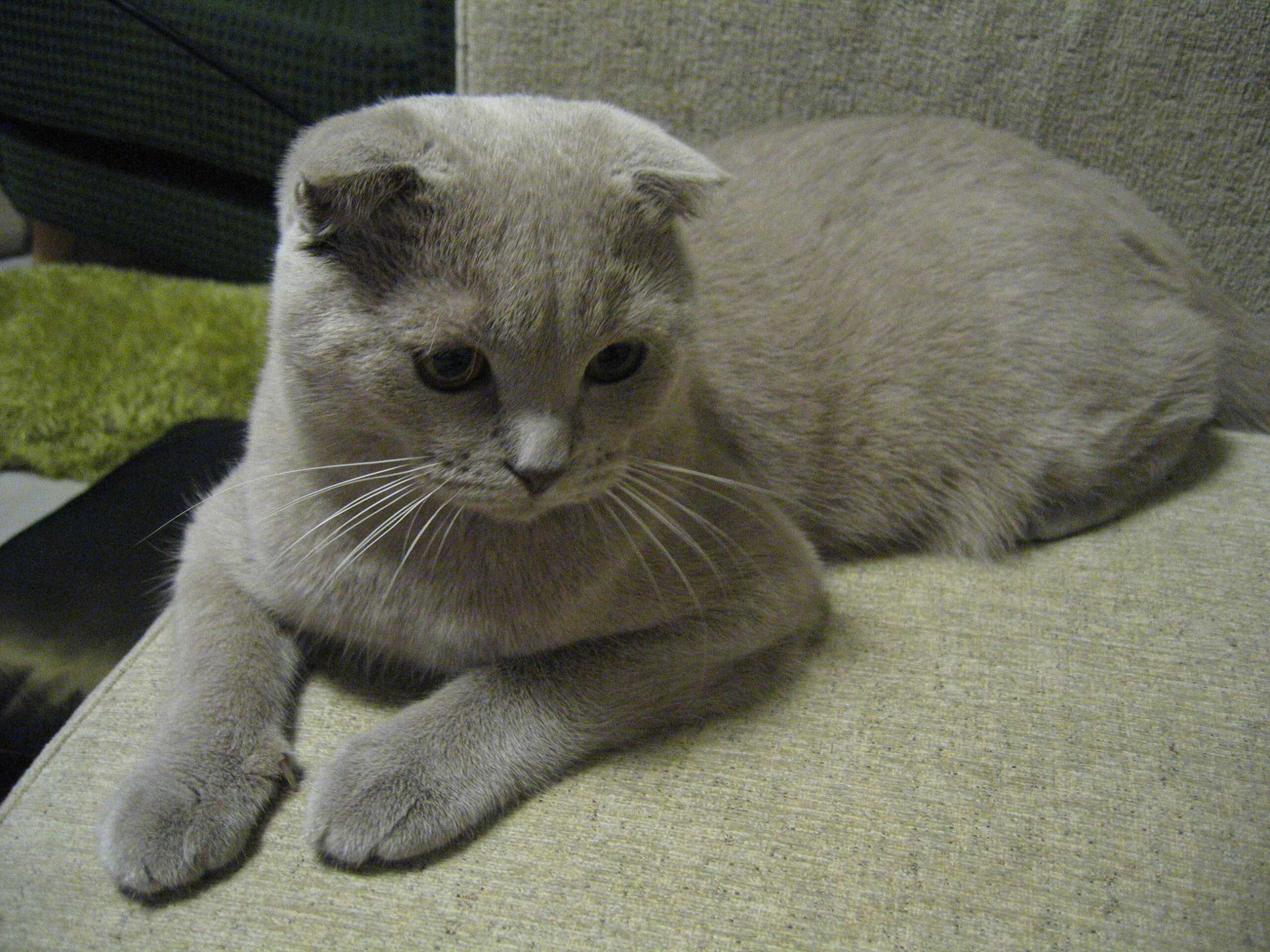
    The Scottish Fold is a medium-sized domestic cat recognized by ears that fold forward and downward. That appearance comes from a cartilage-and-bone mutation, not from harmless ear shape alone. Anyone considering this breed should begin with welfare rather than looks. An existing Scottish Fold can be a warm, engaging companion and deserves excellent lifelong care, but prospective owners should understand the risk of painful joint disease before adopting. Rescue or rehoming is the most responsible route because it gives a cat a home without creating demand for more kittens carrying the mutation.

    Personality varies by individual. Breed descriptions often call Folds affectionate, observant, and people-oriented, yet no registry description can predict one cat’s confidence, activity, or tolerance of handling. Meet the cat more than once when possible, ask for veterinary records, and notice how the cat walks, jumps, uses its tail, and reacts to gentle movement. A suitable home offers quiet retreat, daily play, stable routines, and prompt veterinary care if mobility changes.

    Temperament and household fit

    The International Cat Association describes Scottish Folds as intelligent, inquisitive, loyal, and generally compatible with children and other pets after careful introductions. Treat those as broad tendencies. Some individuals seek laps and follow people from room to room; others prefer nearby perches and shorter interactions. Children should learn to let the cat approach, support the whole body when lifting is unavoidable, and never pull the tail or press folded ears.

    Introduce resident animals gradually through scent exchange, separate rooms, and short calm meetings. Give each cat its own food, water, sleeping places, scratchers, and litter resources; a useful starting point is one litter box per cat plus one extra in separate locations. A Scottish Fold with joint discomfort may have less patience for chasing or rough play, so supervise interaction and preserve easy escape routes. Changes such as hiding, irritability, reduced grooming, or avoiding stairs can be signs of pain rather than bad behavior.

    Exercise, enrichment, and accessible spaces

    Daily movement supports weight control, muscle strength, and mental health, but activity must suit the individual cat. Offer several short play sessions with low-impact wand toys, rolling toys, food puzzles, and scent games. Let the cat choose the pace and stop before fatigue. Never force the breed’s well-known upright sitting posture for a photo. That posture is not a health test, and a cat that sits unusually may be shifting weight away from uncomfortable joints.

    Make the home easy to navigate. Use wide, stable steps or ramps to favorite furniture, low-entry litter trays, nonslip rugs on smooth floors, and warm padded beds. Place food and water where the cat does not need to jump. Secure windows and balconies, anchor climbing furniture, and keep strings or feather toys out of reach when play ends. If outdoor time is offered, use a secure catio or calmly trained harness rather than free roaming. Ask a veterinarian or rehabilitation professional for a tailored exercise plan if stiffness, lameness, or reduced range of motion appears.

    Coat, ears, teeth, and routine care

    Scottish Folds occur in shorthaired and longhaired forms. Brush a short coat about weekly and a longer coat several times a week, adjusting for shedding and tangles. Keep sessions brief and reward cooperation. While grooming, look for dandruff, mats, sore areas, overgrown nails, and places the cat has stopped cleaning. Poor grooming over the back or hindquarters can be an early clue that bending hurts.

    Folded ears still need gentle observation, but do not insert swabs or routinely apply cleaner without veterinary advice. Seek care for odor, discharge, redness, head shaking, or pain. Trim nail tips as needed and provide stable horizontal and vertical scratchers. Build toward daily tooth brushing with cat-safe toothpaste; human toothpaste is unsafe. Routine veterinary examinations, vaccination, parasite prevention based on local risk, microchipping, and neutering or spaying should be planned with the cat’s clinician.

    Feeding and weight management

    Feed a complete and balanced diet for the cat’s life stage and health status. Measure portions, count treats in the daily total, and review body condition with a veterinarian. Extra weight increases load on painful joints, while unexplained weight loss can signal illness. Food puzzles can provide gentle activity, but use easy versions if paw or ankle movement is limited. Fresh water should be available in more than one quiet location.

    Do not start joint supplements, pain medicines, raw diets, or homemade recipes without professional guidance. Many human painkillers are toxic to cats, and supplements vary in evidence and quality. A veterinarian can assess appetite, weight, kidney and heart health, dental comfort, and mobility together. Sudden refusal to eat, difficulty reaching the bowl, vomiting, increased thirst, or rapid weight change needs prompt attention.

    The folded-ear mutation and joint disease

    The same genetic change that folds the ears can affect cartilage and bone throughout the body. A 2016 study indexed by PubMed identified a dominant variant in TRPV4 associated with the folded-ear trait and osteochondrodysplasia, including abnormalities of the limbs and tail and progressive joint damage. Severity and age of onset vary. Cats with two copies of the variant have historically shown particularly severe disease, but a cat with one copy is not guaranteed to remain free of skeletal problems.

    Watch for a thick or inflexible tail, shortened or misshapen limbs, stiff walking, reluctance to jump, limping, swollen joints, reduced play, sensitivity when touched, or difficulty entering the litter box. Cats often hide pain. The Governing Council of the Cat Fancy does not recognize the breed and cites osteochondrodysplasia as a serious health problem. This welfare concern is why this guide recommends adoption or rehoming rather than purchasing a newly bred Fold.

    Veterinary planning and pain support

    Arrange a veterinary examination soon after adoption and share all available pedigree, genetic, imaging, and treatment records. The clinician may assess gait, joint range, tail flexibility, muscle condition, and pain responses, then recommend radiographs or other tests when findings warrant them. The open-access research on Scottish Fold osteochondrodysplasia and the TRPV4 variant shows that outward signs and radiographic changes do not always progress identically, so an apparently comfortable young cat still benefits from ongoing monitoring.

    Treatment is individual and may include weight management, environmental changes, carefully prescribed pain relief, rehabilitation, or other veterinary interventions. Never manipulate a stiff tail or force a sore joint to test it. Keep a simple mobility diary with videos of walking, jumping, grooming, and litter-box use; these records can help a veterinarian detect change between visits. Emergency care is appropriate if the cat cannot stand, cries in pain, drags a limb, has trouble breathing, or stops eating.

    Adoption, rehoming, and lifelong welfare

    Ask shelters and rescues about mobility, previous imaging, medications, litter habits, handling preferences, and whether the cat has lived with children or animals. Be wary of anyone who dismisses the mutation as cosmetic, guarantees that a folded-ear kitten cannot develop joint disease, or promotes extreme features. Confirm that the adoption agreement explains known medical needs and offers a return route if placement fails.

    Prepare one quiet starter room with a low-entry litter box, food, water, hiding choices, a scratcher, toys, and a supportive bed. Expand access at the cat’s pace. Budget for routine and potentially long-term orthopedic care, and arrange reliable care during travel. A Scottish Fold already here can enjoy a good life when caregivers notice subtle pain, keep the cat lean, adapt the home, and value comfort over appearance or social-media poses.

    Frequently asked questions

    Do all Scottish Fold cats have joint disease?

    The folded ears mark a cartilage-and-bone mutation associated with osteochondrodysplasia, but severity and timing vary. Every folded-ear cat deserves lifelong mobility monitoring even if it currently appears comfortable.

    What signs of pain should I watch for?

    Look for stiffness, limping, less jumping or play, hiding, irritability, poor grooming, trouble using the litter box, swollen joints, or a thick inflexible tail, and report changes promptly to a veterinarian.

    How should a Scottish Fold exercise?

    Use several short, low-impact play sessions at the cat’s chosen pace, with nonslip footing, easy routes, food puzzles, and ramps or steps where needed. Stop if movement becomes stiff or reluctant.

    How often does a Scottish Fold need grooming?

    Brush shorthaired cats about weekly and longhaired cats several times a week. Adjust to the individual coat and use grooming time to notice skin, nail, ear, dental, or mobility changes.

    What is the most responsible way to get a Scottish Fold?

    Adopt or rehome an existing cat through a shelter, rescue, or transparent private placement. This meets a cat’s need for a home without encouraging production of more cats carrying the harmful mutation.

    Authoritative sources

  • Abyssinian Cat

    Abyssinian Cat

    Is an Abyssinian right for your home?

    The Abyssinian is a medium-sized, shorthaired domestic cat known for a finely ticked coat, athletic build, and unusually active mind. This breed often suits people who want a companion that participates in daily life rather than sleeping through most of it. Abyssinians climb, investigate, learn routines, and look for interaction. They can be affectionate without being constant lap cats, and many prefer sitting beside a person or supervising from a high perch. A good match provides safe vertical space, frequent play, predictable care, and enough company. A home that wants a quiet, low-energy ornament may find the breed demanding.

    Temperament and household fit

    The Cat Fanciers’ Association describes the Abyssinian as busy, active, curious, playful, and affectionate. Individual cats still differ, and early socialization matters. Well-socialized Abyssinians often live successfully with respectful children, cat-friendly dogs, and other cats when introductions proceed slowly. Their speed and curiosity make secure windows, screened balconies, and careful door habits essential. They enjoy being near people and may struggle if left without activity for long stretches every day.

    Prepare the environment before adoption. Offer tall, stable cat trees; shelves that can bear the cat’s weight; hiding places; sturdy scratching surfaces; and rotating toys. Put fragile objects away from launch points. Puzzle feeders, short training sessions, wand-toy games, and opportunities to watch outdoor activity through a secure window give the cat constructive work. Two compatible cats may provide company, but a second animal never replaces human care or guarantee friendship.

    Exercise and enrichment

    Abyssinians need several active play periods rather than one long session that happens only occasionally. Mimic a hunting sequence by moving a wand toy like prey, letting the cat stalk and chase, then allowing a catch before a small meal. Avoid unattended string, ribbon, feathers, or elastic that can be swallowed. Food puzzles and scatter-feeding can slow eating and encourage exploration. Teach simple behaviors with rewards, such as coming when called, entering a carrier, touching a target, and accepting brief handling.

    Vertical exercise is especially valuable. The breed is famous for seeking high viewpoints, so furniture should be anchored and routes should not end above a hot stove or open door. Indoor life is safest when it is rich enough to prevent boredom. If outdoor access is offered, use a secure catio or careful harness training rather than free roaming, which exposes cats to traffic, infectious disease, poisons, fights, and wildlife predation.

    Coat, nails, teeth, and routine care

    The coat is short and resilient, with alternating light and dark bands on each hair creating the characteristic glow. The International Cat Association notes that grooming demands are modest. A gentle brushing every week or two removes loose hair and provides a chance to check skin and body condition. Baths are rarely needed for a healthy indoor cat unless a veterinarian recommends one or the coat becomes contaminated.

    Trim nail tips about every two weeks, adjusting to the individual cat’s growth. Provide both vertical and horizontal scratchers. Check ears for redness, odor, pain, or heavy debris, and ask a veterinarian before using cleaners. Daily tooth brushing with cat-safe toothpaste offers the best home defense against dental disease; begin gradually and never use human toothpaste. Regular veterinary examinations, parasite prevention suited to local risk, vaccination, microchipping, and neutering or spaying should be discussed with the cat’s clinician.

    Feeding and weight management

    Feed a complete and balanced commercial diet appropriate for the cat’s life stage, following veterinary advice for quantity and meal schedule. Cats require nutrients such as taurine that are not reliably supplied by improvised or dog-food diets. Measure portions, include treats in the daily energy total, and monitor body condition rather than relying only on the number on a scale. An athletic Abyssinian can still become overweight when energy intake exceeds activity.

    Keep fresh water available in more than one quiet location. Some cats prefer wide bowls that do not press their whiskers, while others drink more readily from a cleaned fountain. Sudden weight loss, increased thirst, reduced appetite, vomiting, diarrhea, or difficulty chewing warrants veterinary attention. Do not start supplements, raw diets, or homemade recipes without a veterinary nutritionist, because “natural” does not mean nutritionally complete or free of pathogens.

    Health screening and veterinary planning

    A responsible breeder should discuss the health history of the family and show documented test results rather than offering only verbal assurances. TICA identifies pyruvate kinase deficiency, progressive retinal atrophy, patellar luxation, and renal amyloidosis as concerns reported in the breed. DNA tests are available for pyruvate kinase deficiency and some inherited retinal disease; they help breeders plan matings but do not replace physical examinations or lifetime veterinary care. The VCA overview of progressive retinal atrophy explains that late-onset PRA can cause permanent blindness and may be inherited as an autosomal recessive trait in Abyssinians.

    Ask how breeding cats were screened, which laboratory performed genetic tests, and what follow-up the contract provides. A kitten should have veterinary records, age-appropriate vaccines, parasite care, identification, and a clear return policy. For any Abyssinian, seek prompt care for pale gums, weakness, fainting, vision changes, persistent vomiting, abnormal thirst or urination, limping, or loss of appetite. Cats conceal illness well, so changes in routine are useful clinical clues.

    Finding and bringing home a cat

    Breed rescue, general shelters, and reputable breeders can all be valid routes. Avoid sellers who always have many breeds available, will not show health records, pressure immediate payment, or offer shipping without careful discussion. Meet the cat when possible and confirm that the environment is clean, social, and transparent. A good source asks questions about your household and will take the cat back if placement fails.

    Set up one quiet room for the first days with litter, food, water, a bed, hiding options, toys, and scratching material. Keep food and water away from the litter box. Let the cat expand its territory at its own pace. Use gradual scent and visual introductions for resident animals, and give each cat separate bowls, resting spots, and litter resources. A useful starting rule is one litter box per cat plus one extra, distributed across the home rather than lined up as one station.

    Safety and lifelong welfare

    Store medicines, lilies and other toxic plants, cleaning products, thread, dental floss, and small swallowable objects securely. Check washing machines, dryers, reclining furniture, and high cupboards before closing them. Keep the cat carrier accessible and make it a familiar resting place so emergency travel is easier. Plan for veterinary costs, daily social time, and care during travel before adoption.

    An Abyssinian’s lively behavior is part of the breed’s appeal, but welfare depends on respecting the cat in front of you. Never force handling or punish normal climbing and scratching. Redirect those behaviors to safe outlets, reward choices you want repeated, and provide quiet retreat when the cat disengages. With thoughtful enrichment, preventive medicine, and patient companionship, an Abyssinian can be an engaging household partner for many years.

    Frequently asked questions

    Are Abyssinian cats good family pets?

    Many are affectionate, playful companions for families that provide respectful handling, active play, secure climbing space, and gradual introductions to children and other animals.

    How much exercise does an Abyssinian need?

    Most benefit from several interactive play sessions every day, along with climbing, scratching, puzzle feeding, and opportunities to explore safely.

    Do Abyssinian cats require much grooming?

    The short coat is low maintenance. Gentle brushing every week or two, regular nail trims, dental care, and routine ear and skin checks are usually sufficient.

    What health tests should an Abyssinian breeder provide?

    Ask for documented DNA screening for pyruvate kinase deficiency and relevant inherited retinal disease, plus veterinary records and a clear explanation of other family health concerns.

    Can an Abyssinian cat live indoors?

    Yes. Indoor life can suit the breed well when the home provides tall stable perches, vigorous daily play, food puzzles, secure windows, companionship, and places to retreat.

    Authoritative sources

  • Sphynx Cat

    Sphynx Cat

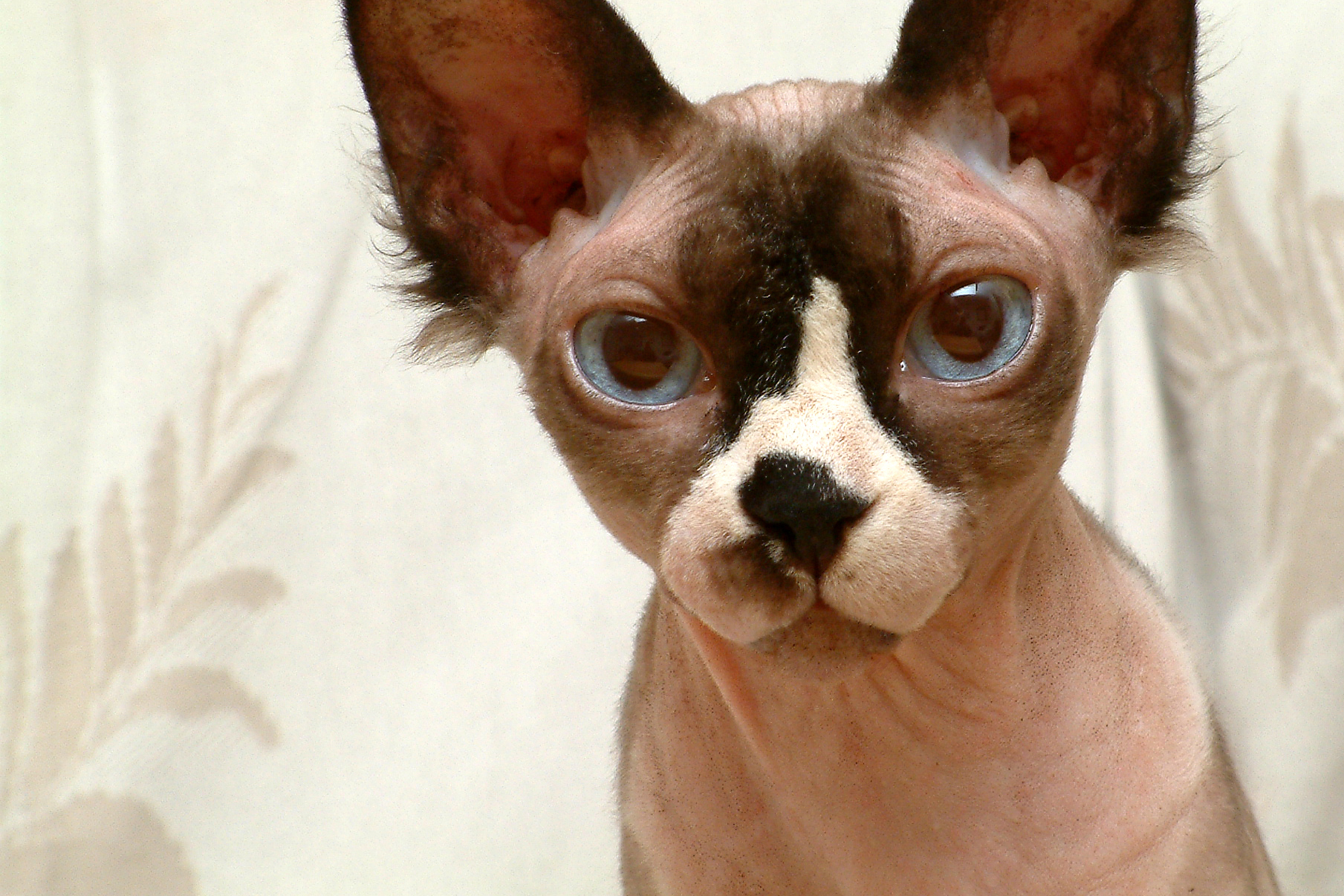
    The Sphynx is an active, affectionate domestic cat whose near-hairless appearance creates care needs unlike those of a coated breed. Fine down may cover the skin, and short hair is often present on the nose, ears, feet or tail. Because there is little coat to absorb skin oils or buffer temperature and sunlight, a Sphynx needs thoughtful skin care, warm indoor shelter and protection from sun exposure. A responsible home must also plan for routine veterinary care and screening for hypertrophic cardiomyopathy. Families comparing opposite coat-care needs can also review the Norwegian Forest Cat guide.

    Temperament and household fit

    Sphynx cats are commonly social, inquisitive and people-oriented. Many seek laps, blankets and warm sleeping places, and some follow family members from room to room. Breed tendencies do not override individual personality, so prospective adopters should spend time with the particular cat and ask how it responds to visitors, children, other cats and dogs. A confident, well-socialized Sphynx may enjoy a busy household, while a shy cat may need a quieter room and slower introductions.

    The breed generally does poorly when expected to entertain itself for long stretches every day. Food puzzles, climbing furniture, window perches and short interactive play sessions help meet its mental and physical needs. Introduce resident animals gradually through scent exchange and barriers. Children should learn to let the cat approach, support its body gently and never pull skin, ears or tail.

    Exercise, play and training

    Plan several brief play periods each day using wand toys, rolling toys, tunnels and safe objects to chase. Rotate toys so novelty lasts, and end vigorous play with a small meal or calm activity. A sturdy climbing tree gives the cat a legal high place and expands usable territory indoors. Secure windows and balconies because curiosity and climbing skill can combine with poor hazard awareness.

    Sphynx cats can learn a carrier routine, nail handling, bathing steps and simple cues through rewards. Begin with seconds of calm contact, then increase duration gradually. Place the carrier out as furniture, add bedding and treats, and take occasional short rides before veterinary travel is urgent. Never punish fear or resistance; pause, reduce the difficulty and reward voluntary participation. This cooperative-care approach lowers stress for both cat and caregiver.

    Skin, ears and nail care

    A Sphynx is not maintenance-free. Skin oil that a normal coat would distribute can collect on the body, bedding and around nail beds. Bathing frequency must suit the individual: too little cleaning may leave greasy buildup, while excessive bathing or harsh shampoo can dry and irritate the skin. The International Cat Association advises regular care but warns that routine weekly bathing is not automatically necessary. Ask a veterinarian to recommend a gentle cat-safe product and schedule based on the cat’s skin.

    Check ears and nails at least weekly. Lack of ear hair can make wax more visible, but owners should clean only what a veterinarian has shown them to clean and should never push swabs into the canal. Redness, odor, pain, dark discharge or head shaking warrants veterinary assessment. Trim transparent nail tips carefully and wipe oily debris from the nail folds without cutting living tissue.

    Keep the cat indoors in a temperature-controlled environment. Provide washable blankets and warm beds away from heaters that could burn the skin. Direct sun can damage exposed skin, so use shade and limit intense window or outdoor exposure. Do not apply human sunscreen unless a veterinarian specifically approves a product; cats lick their skin and some ingredients are unsafe.

    Food, water and body condition

    Feed a complete and balanced food appropriate for the cat’s life stage and health. Hairlessness does not justify unlimited feeding. Some Sphynx cats expend more energy maintaining body heat, but appetite, activity, neuter status and indoor temperature differ. Measure meals, monitor weight and body condition, and adjust with veterinary guidance. The ribs should be palpable beneath a light covering, and the waist should remain visible from above even though the breed standard describes a rounded abdomen.

    Fresh water should always be available. Multiple wide bowls placed away from litter trays work well, and a fountain may encourage some cats to drink. Sudden weight loss, increased thirst, vomiting, diarrhea or a major appetite change is a medical signal rather than a cue to experiment repeatedly with food. Treats should remain a small part of daily calories.

    Health screening and preventive care

    Hypertrophic cardiomyopathy, or HCM, thickens the muscular walls of the heart and can reduce cardiac efficiency. Cornell University’s Feline Health Center includes the Sphynx among breeds in which HCM occurs more often, and TICA recommends screening breeding cats by echocardiogram performed by a veterinary cardiologist. A DNA result cannot replace cardiac imaging because known variants do not explain every case and disease may appear later. Buyers should request dated screening records for both parents and discuss ongoing checks with their own veterinarian.

    Routine care includes vaccination based on risk, parasite prevention, dental assessment, weight tracking and regular physical examinations. At home, tooth brushing with cat-safe toothpaste is the most useful dental habit when introduced gradually. Open-mouth breathing, collapse, rapid or labored breathing, sudden hind-leg weakness, blue or pale gums and severe lethargy require urgent veterinary attention.

    Breeders should also discuss blood typing and hereditary myopathy in their lines, provide a written health history and avoid promising that any cat is guaranteed never to develop disease. Ethical selection considers health, temperament and genetic diversity as well as appearance.

    Allergies and the hypoallergenic myth

    Sphynx cats are not allergen-free. The major cat allergen Fel d 1 occurs in saliva and skin secretions, so removing most visible hair does not remove the source. Individual reactions vary, and less shed hair may change how allergens spread without making a household safe for every allergic person. Anyone with asthma or significant cat allergy should consult a medical professional and spend repeated time with the individual cat before adoption. No breeder should promise a reaction-free pet.

    Choosing a breeder or rescue

    Meet the cat in person when possible and ask where it was raised, how it was socialized and what veterinary care it received. A responsible breeder willingly shows recent cardiologist echocardiograms, explains the limits of testing, supplies vaccination and health records, uses a written contract and offers lifelong return support. Kittens should remain with their mother and littermates until developmentally ready, live in clean social spaces and show clear eyes, comfortable breathing and curious behavior.

    Breed rescue and general shelters may also have Sphynx or hairless mixed-breed cats. Adoption staff can describe established habits and medical needs. Budget beyond the acquisition fee for high-quality food, bedding laundry, skin and ear supplies, insurance or emergency savings, routine examinations and possible cardiology care. Walk away from sellers who avoid records, pressure immediate payment, ship without safeguards or market “rare” color ahead of health.

    Frequently asked questions

    Are Sphynx cats completely hairless?

    No. Most have fine down that feels like suede, and short hair may occur on the nose, ears, feet or tail.

    How often should a Sphynx cat be bathed?

    There is no universal weekly rule. Use a veterinarian-approved gentle product and a schedule based on the individual cat’s oil buildup and skin condition; excessive bathing can irritate skin.

    Are Sphynx cats hypoallergenic?

    No. Cat allergens occur in saliva and skin secretions as well as hair, so allergic reactions remain possible and vary by person and cat.

    What health screening should a Sphynx breeder provide?

    Ask for dated echocardiograms performed by a veterinary cardiologist for both parents, plus discussion of hereditary myopathy, blood type and the limits of DNA testing.

    Can a Sphynx cat go outdoors?

    A secure catio or supervised harness time may be possible, but exposed skin needs protection from sun, cold, heat, injury and parasites. Unsupervised roaming is unsafe.

    Sources

  • Norwegian Forest Cat

    Norwegian Forest Cat

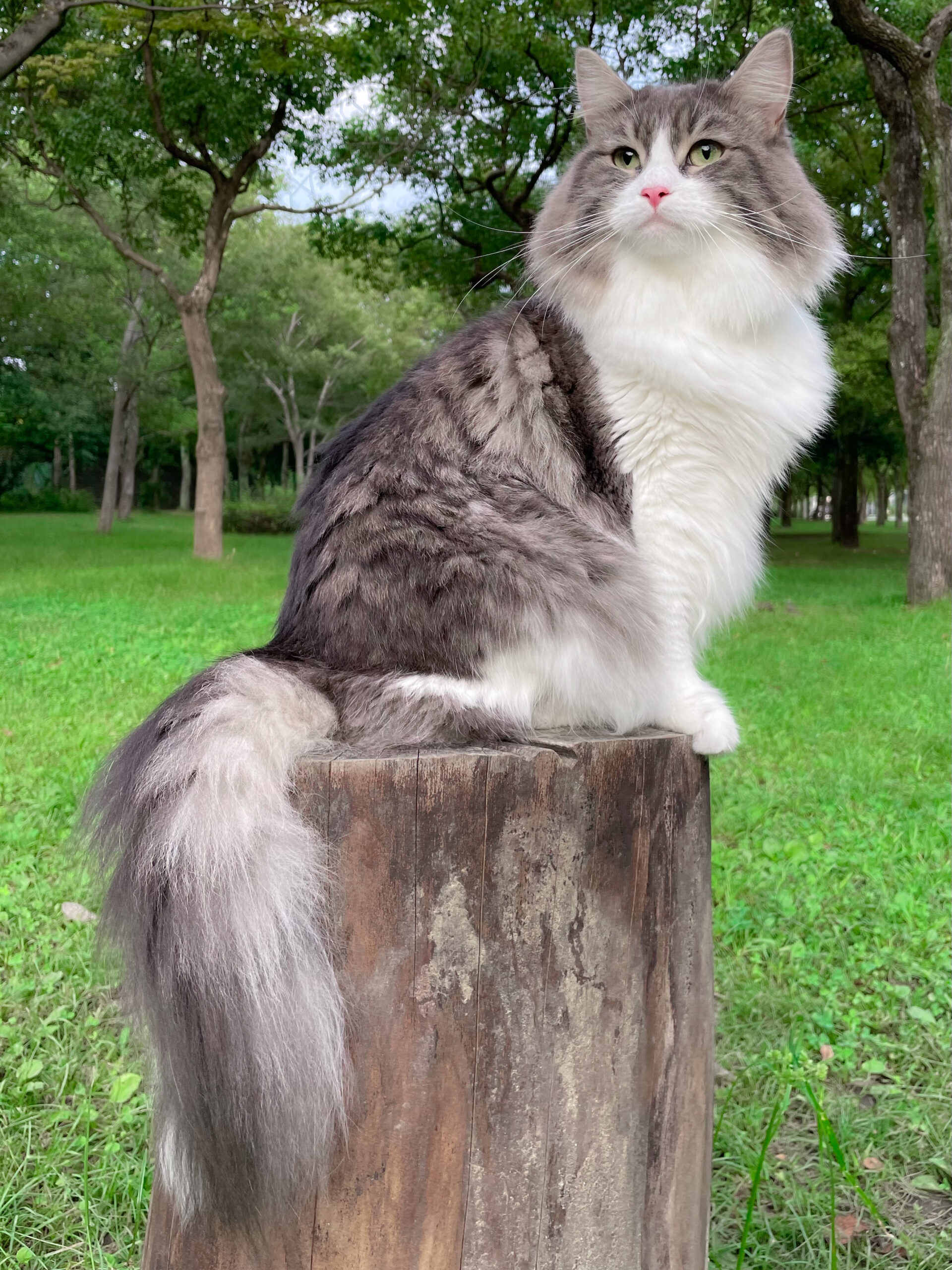
    The Norwegian Forest Cat is a large, athletic longhaired breed developed in Scandinavia. Its triangular head, straight profile, powerful hindquarters and seasonal double coat distinguish it from other fluffy cats. Breed registries describe these cats as intelligent, mild-mannered and interactive, but an individual cat’s personality still depends on genetics, early socialization, health and experience. This guide explains the daily work behind the dramatic coat and confident climbing ability, so families can judge whether the breed fits their home. For a near-hairless breed with very different skin and temperature-care needs, compare the Sphynx guide.

    Temperament and household fit

    Many Norwegian Forest Cats enjoy staying near their people without demanding constant carrying. They often follow household activity, investigate shelves and windows, and choose when to settle beside someone. TICA describes the breed as playful, loving and adaptable; that does not guarantee that every cat will be a lap cat or welcome every visitor. Let a new cat approach at its own pace and provide a quiet room during the first days.

    A calm introduction is essential when children or other pets share the home. Children should sit on the floor, offer a toy, and avoid pulling the tail or lifting the cat without support. Introduce another cat through scent swapping and a closed door before brief supervised meetings. Dogs should remain leashed initially and must never chase. Separate feeding stations, resting sites and litter boxes reduce competition even after the animals appear comfortable.

    Exercise, play and enrichment

    This is a strong climbing breed, so useful exercise is three-dimensional. A tall, stable cat tree, wall shelves with safe landing space, sturdy scratching posts and window perches provide choices that furniture alone cannot. Check that climbing structures cannot tip under the weight of a large adult. Keep breakable objects away from launch routes, secure window screens and remove cords that could snag a paw.

    Offer several short interactive play sessions rather than expecting the cat to exercise alone. Wand toys can imitate prey moving behind a box or over a low obstacle. Food puzzles, treat searches and rotating toys add mental work. End vigorous play with a small meal or treat when appropriate. Laser toys should finish on a physical toy the cat can catch, and string or feather toys should be stored after use because swallowed material can obstruct the digestive tract.

    Coat, claws and routine grooming

    The coat combines a dense undercoat with longer water-resistant guard hairs. CFA notes that regular combing helps prevent tangles, while the spring shed needs extra attention. Use a stainless-steel comb to reach the undercoat gently, working in small sections around the ruff, armpits, belly and hind-leg furnishings. Never pull through a tight mat. A groomer or veterinary team can remove severe mats without cutting the skin, which is thin and easy to injure.

    Frequent brushing also removes loose fur before the cat swallows it. Merck Veterinary Manual notes that longhaired cats have greater hairball risk and that brushing can reduce swallowed hair. Repeated vomiting, reduced appetite, constipation or lethargy should not be dismissed as “just a hairball.” Check ears and teeth regularly, trim only the clear claw tip, and introduce every procedure with brief sessions and rewards. Bathing is rarely routine; the water-repellent coat can take a long time to wet and dry.

    Feeding and healthy weight

    Feed a complete and balanced cat food matched to the cat’s life stage. Merck advises choosing food with a nutritional adequacy statement and reminds owners that cats require animal-derived nutrients, including taurine. Measure portions rather than keeping an endlessly full bowl, then adjust with the veterinarian as growth, neuter status, activity and body condition change. Treats should remain a small part of the daily calories.

    A heavy coat can hide weight gain or loss, so look and feel. Ribs should be palpable under a light covering, with a visible waist when viewed from above. Record weight monthly at home if possible. Provide fresh water in several quiet locations; some cats drink more readily from wide bowls or fountains. Sudden thirst, appetite change, difficulty chewing, vomiting or unexplained weight change warrants a veterinary visit.

    Training, litter boxes and indoor safety

    Reward-based training suits an observant, food-motivated cat. A marker word or clicker can teach recall, carrier entry, nail-trim cooperation and stepping onto a scale. Keep sessions short and stop while the cat is still engaged. Never use spray bottles, shouting or physical punishment; these approaches create fear without teaching the desired alternative.

    Provide at least one litter box per cat plus one extra, distributed in separate accessible locations. Large cats need boxes long enough to turn and dig comfortably. Scoop daily and avoid abruptly changing litter. A sudden house-soiling problem may signal pain, urinary disease, conflict or an unsuitable box and deserves prompt investigation. Indoor living, a secure catio or supervised harness time protects the cat from traffic, toxins, predators and infectious disease while also protecting wildlife.

    Health screening and preventive care

    Choose a breeder or rescue that shares veterinary records and answers direct health questions. CFA reports that hypertrophic cardiomyopathy and glycogen storage disease type IV have occurred in the breed and that responsible breeders test breeding cats. Ask which tests were performed, request the actual results, and discuss their meaning with an independent veterinarian. A DNA result for one disorder does not replace physical examinations or screening for other disease.

    Hypertrophic cardiomyopathy thickens the heart muscle and may progress without obvious early signs. Cornell identifies echocardiography as the diagnostic standard for feline cardiomyopathy. Rapid or labored breathing, collapse, or sudden painful hind-limb weakness is an emergency. Preventive care should also cover vaccines appropriate to risk, parasite control, dental health, microchipping and regular examinations. Keep the cat at a lean body condition and report changes in breathing, movement, grooming or appetite early.

    Choosing responsibly and planning for life

    Norwegian Forest Cats mature slowly; TICA and CFA say full development can take about five years. A kitten therefore needs a long-term plan, not just kitten supplies. Budget for quality food, large climbing furniture, grooming tools, annual care, emergency treatment and pet sitting. Confirm housing rules before adoption and identify who will care for the cat during travel or illness.

    Meet the kitten’s mother when possible and observe whether the cats are alert, clean and comfortable around people. Avoid sellers who will not provide records, breed continuously without screening, or promise that a cat can never become ill. Rescue groups sometimes receive breed cats or similar longhaired mixes; a pedigree is less important than an honest health and behavior assessment. The right placement gives the cat safe vertical territory, daily play, gentle grooming and dependable veterinary care for its entire life.

    Frequently asked questions

    How much exercise does a Norwegian Forest Cat need?

    Plan several short play sessions every day plus safe climbing, scratching and food-puzzle opportunities. Adjust intensity for age, health and interest.

    Can a Norwegian Forest Cat live in an apartment?

    Yes, when the apartment provides stable vertical territory, daily interactive play, clean litter boxes, secure windows and enough quiet resting space.

    How often should a Norwegian Forest Cat be groomed?

    Comb regularly and increase frequency during the heavy spring shed. Check the ruff, armpits, belly and hind legs where tangles may hide.

    What health tests should breeders complete?

    Ask for documented screening relevant to the breed, including discussion of HCM and DNA testing for glycogen storage disease type IV, then review results with your veterinarian.

    Are Norwegian Forest Cats hypoallergenic?

    No cat breed is reliably hypoallergenic. Allergens come from saliva and skin secretions as well as fur, so sensitive people should spend time with the individual cat before adoption.

    Sources

  • Havanese

    Havanese

    The Havanese is a small Cuban companion breed known for sociability, a springy gait, and a long, soft coat. Adults are typically 8.5–11.5 inches tall and 7–13 pounds, with an expected lifespan of about 14–16 years according to the American Kennel Club. Small size can make the breed convenient for apartments, but a Havanese still needs daily activity, regular grooming, thoughtful training, preventive veterinary care, and plenty of human company. For a short-coated alternative with different heat and airway considerations, compare the Boston Terrier guide.

    Temperament and household fit

    Havanese were developed as companion dogs and usually want to participate in family life. Many are outgoing with visitors, playful with familiar children, and comfortable with friendly dogs when introductions are controlled. Breed tendencies are only a starting point: an individual puppy’s genetics, early experiences, health, and training shape adult behavior. Children should learn to sit for greetings, avoid lifting the dog, and leave it alone while eating or sleeping. Because this is a light toy breed, rough handling and falls can cause injury even when nobody intends harm.

    The breed often suits city homes because moderate exercise can be provided through walks and indoor games. Noise management matters in shared buildings. Reward quiet behavior before hallway sounds become a barking habit, and block repeated window patrols when necessary. Havanese thrive on company and may struggle if left alone for long workdays. Families should build calm independence gradually rather than allowing a puppy to follow one person every minute.

    Exercise and mental enrichment

    A brisk daily walk plus play, sniffing, and short training sessions meets the needs of many healthy adults. The AKC describes the breed’s exercise requirement as moderate; VCA suggests a walk around the block once or twice daily plus an active game. Exact duration should follow age, conditioning, weather, and veterinary guidance. Puppies need frequent short outings rather than forced distance, and older dogs may prefer slower sniff walks. Stop if the dog lags, pants heavily, or seeks shade.

    Trick training, food puzzles, scent searches, and gentle agility foundations provide useful mental work. A fenced area is safer than off-leash exercise near traffic. A Havanese is small enough to be vulnerable around much larger unfamiliar dogs, so choose play partners carefully. In hot weather, walk during cooler hours and provide water; in cold or wet conditions, dry the coat and protect a clipped dog that lacks the insulation of a full coat.

    Training and time alone

    Havanese are bright and responsive, but the breed can be sensitive. Use food, toys, access to play, and praise to reward the behavior you want. Harsh corrections can create avoidance without teaching a useful alternative. Begin with name response, recall, loose-leash walking, settle on a mat, cooperative handling, and trading objects. Socialization means calm, positive exposure to varied people, surfaces, sounds, vehicles, and well-mannered animals; it does not mean forcing every greeting.

    House-training a toy puppy requires a predictable schedule because its bladder is small. Take the puppy out after waking, eating, play, and training, reward immediately outdoors, and supervise closely inside. For alone-time practice, provide a safe resting area and leave for seconds before progressing to minutes. Return while the puppy is calm. Persistent panic, escape attempts, drooling, or distress vocalization warrants help from a veterinarian and a qualified reward-based behavior professional.

    Coat, eyes, ears, teeth, and nails

    The long coat sheds relatively little but tangles readily. The AKC recommends daily gentle combing for a full coat; shorter pet trims reduce length but still require routine combing down to the skin. Focus on friction areas behind the ears, under the harness, in the armpits, around the legs, and beneath the tail. Work through small sections with a metal comb and detangling product rather than pulling a mat. Tight mats can trap moisture and cause painful skin irritation, so severe matting should be handled by a professional groomer or veterinary team.

    Check the eyes daily and wipe discharge with a clean damp cloth, using a separate area for each eye. Redness, squinting, cloudiness, or sudden discharge needs veterinary attention. Inspect ears for odor, redness, pain, or heavy debris; do not push cotton swabs into the canal. Brush teeth with dog-safe toothpaste as often as the veterinary team recommends, ideally daily, because small dogs are prone to dental crowding and periodontal disease. Trim nails before they click on hard floors, and introduce every grooming step with rewards.

    Food and healthy body condition

    Feed a complete and balanced diet appropriate for the dog’s life stage. Measure meals rather than leaving an unlimited bowl, and count training treats within the daily calorie allowance. A long coat can hide weight gain, so use your hands: you should be able to feel the ribs under a light covering without pressing hard, and the waist should be visible from above. Your veterinarian can set a target body-condition score and adjust portions after neutering, illness, or a change in activity.

    Fresh water should always be available. Sudden appetite loss, repeated vomiting, diarrhea, abdominal pain, or difficulty chewing deserves veterinary advice. Avoid cooked bones and foods toxic to dogs, including chocolate, grapes and raisins, xylitol, onions, and garlic. Supplements are not automatically beneficial; adding calcium or vitamins to a balanced food can create nutritional imbalance, especially in growing puppies.

    Health screening and preventive care

    Responsible breeding reduces avoidable risk but cannot guarantee health. The Havanese Club of America’s health statement identifies four examinations for current CHIC certification: a BAER hearing test, hip evaluation, patella evaluation, and annual CAER eye examination. Ask a breeder for the registered results of both parents and verify them in the Orthopedic Foundation for Animals database. A promise that the parents were “vet checked” is not the same as documented breed-specific screening.

    Veterinary sources also describe eye disorders, deafness, patellar luxation, Legg-Calvé-Perthes disease, and heart murmurs in the breed. Owners should watch for limping, skipping steps, reluctance to jump, head tilt, reduced response to sound, vision changes, coughing, or exercise intolerance. Preventive care includes vaccinations based on local risk, parasite control, dental assessment, weight monitoring, and regular examinations. Choose a clinic before an emergency and know where after-hours care is available.

    Choosing and living with a Havanese

    Meet adult dogs when possible and look for breeders who discuss temperament, publish health results, raise puppies in a stimulating home environment, and take lifetime responsibility for dogs they produce. A good breeder asks buyers questions and does not offer immediate anonymous shipping. Rescue can be an excellent route for people prepared to assess the needs of an individual dog. Budget for grooming, veterinary dentistry, training, insurance or emergency savings, and reliable care during travel.

    A Havanese can be a rewarding match for someone who wants a close, trainable companion and can provide regular coat care. It is a poor match for a household seeking an independent dog that can routinely remain alone all day. Before deciding, compare other small companion breeds and read the site’s pet care guides, including the Pomeranian guide and Cavalier King Charles Spaniel guide.

    Frequently asked questions

    How much exercise does a Havanese need?

    Most healthy adults do well with a brisk daily walk, active play, and short training or scent games. Adjust activity for age, fitness, weather, and veterinary advice.

    Can a Havanese live in an apartment?

    Yes. The breed’s small size and moderate exercise needs can suit apartment life when owners provide daily activity, teach calm behavior, manage barking, and avoid leaving the dog alone for long periods.

    How often should a Havanese be groomed?

    A full coat generally needs gentle daily combing to prevent mats. A short pet trim still needs regular brushing, plus routine eye, ear, dental, and nail care.

    What health tests should Havanese breeders complete?

    The Havanese Club of America identifies BAER hearing, hip, patella, and annual CAER eye examinations for current CHIC certification. Buyers should verify registered results for both parents.

    Are Havanese hypoallergenic?

    No dog breed is truly hypoallergenic. Havanese tend to shed less than many breeds, but individual people can still react to dander, saliva, or environmental allergens carried on the coat.

    Sources

  • Pomeranian

    Pomeranian

    Pomeranian care fits a small dog with a bold, alert personality, a dense double coat and a strong need for companionship. The breed commonly weighs 3–7 pounds and stands about 6–7 inches at the shoulder, according to the American Kennel Club. Its size makes apartment life practical, but it also creates real safety concerns around falls, rough handling, larger dogs and wildlife. A good home treats a Pomeranian as an active dog rather than a decorative toy.

    Temperament and household fit

    Pomeranians are typically lively, curious and quick to notice changes around them. Many form close bonds with their people and enjoy training, play and participation in daily routines. Their alertness can become frequent barking when every hallway sound or visitor triggers a response. Rewarding calm behavior, teaching a quiet cue and providing planned mental work are more effective than punishment.

    The breed can do well in a city flat or suburban house because physical exercise can be split between short walks and indoor games. Families with young children need especially careful supervision. A three-to-seven-pound dog can be injured by a fall, a closing door or an enthusiastic child who mistakes the dog for a stuffed toy. Older children who can follow handling rules are often a better match. Introductions to other pets should be gradual, and play with much larger dogs should remain supervised even when everyone is friendly.

    Exercise and mental enrichment

    A healthy adult usually benefits from several short activity sessions each day: walks at an individual pace, sniffing, games and reward-based training. There is no universal minute target because age, airway health, orthopedic comfort, weather and fitness differ. The AKC notes that Pomeranians can meet much of their exercise need with indoor play and short walks, but this does not mean they should spend the day without movement or stimulation.

    Use a secure harness and leash outdoors. The breed can fit through surprisingly small fence gaps, and a tiny dog can be vulnerable to traffic, uncontrolled dogs and birds of prey. Avoid repeated jumping from beds and sofas; ramps, steps and floor-level play reduce impact on delicate limbs. In hot or humid weather, choose cooler hours and stop for heavy panting, weakness, noisy breathing or distress. Puppies need brief, varied sessions rather than forced running while bones and joints develop.

    Training, socialization and barking

    Start house training, comfortable handling, recall and loose-leash skills early. Frequent toilet opportunities and close supervision matter because a small puppy has a small bladder. Reward the exact behavior you want with food, toys or access to something enjoyable. Harsh corrections can increase fear and defensive behavior without teaching a useful alternative.

    Thoughtful socialization exposes a puppy to different people, surfaces, sounds, grooming tools and calm vaccinated dogs at a pace that keeps the puppy comfortable. The goal is steady confidence, not maximum exposure. Teach settling on a mat, trading objects and allowing feet, ears, mouth and coat to be examined. For barking, identify the trigger, create distance when needed and reward quiet attention before arousal escalates. Daily trick training, food puzzles and scent searches give this intelligent breed productive work.

    Coat, teeth and routine grooming

    The Pomeranian has a soft undercoat beneath longer guard hair. Brush methodically to the skin at least weekly, and more often during seasonal shedding, using tools recommended by a breeder or qualified groomer. Pay attention behind the ears, under the front legs, around the trousers and beneath a harness, where friction encourages mats. Pulling at tight mats hurts; a groomer can remove them safely and show an owner how to prevent recurrence.

    The AKC recommends a full professional groom about every four to six weeks for owners who do not perform bathing, drying, ear care and nail trimming at home. Avoid shaving the double coat for convenience because regrowth can be unpredictable and clipping does not remove the need for skin care or heat management. Check nails regularly, inspect ears without inserting swabs into the canal, and use dog-safe dental care. Small breeds are prone to crowded teeth, so daily tooth brushing and veterinary dental examinations deserve the same priority as coat care.

    Feeding and healthy weight

    Feed a complete diet appropriate for the dog’s life stage and measure portions rather than leaving an unlimited bowl. The correct amount depends on the food’s calorie density, the dog’s age, neuter status, activity and body condition. Treats used for training count toward daily intake; very small pieces are enough for a very small dog. A veterinarian can help set a target weight and assess whether ribs are easy to feel beneath a visible waist.

    Puppies may need multiple scheduled meals, and any toy-breed puppy that becomes weak, trembly, unusually sleepy or uncoordinated needs urgent veterinary advice because low blood sugar is one possible cause. Fresh water should always be available. Sudden diet changes can upset digestion, so transition foods gradually unless a veterinarian directs otherwise. Avoid unbalanced homemade recipes and never give toxic foods such as chocolate, grapes, raisins, onions, xylitol or alcohol.

    Health screening and veterinary priorities

    The American Pomeranian Club recommends patella evaluation, a cardiac examination and an ophthalmologist evaluation for breeding dogs, with thyroid screening listed as an additional recommendation. Buyers should verify results in the relevant public registry rather than accepting a statement that parents were “vet checked.” Screening reduces risk at the population level but cannot guarantee that an individual puppy will never become ill.

    Breed-associated concerns include luxating patellas, heart disease, collapsing trachea, eye disease, hypothyroidism, seizures and Alopecia X. A cough, honking sound, exercise intolerance, fainting, sudden lameness, painful eye, hair loss or skin change deserves veterinary assessment rather than an online diagnosis. A harness can reduce pressure on the neck, although it cannot prevent every airway problem. Keep preventive care current, discuss dental cleaning, and ask a veterinarian about parasite protection suited to local risks.

    Choosing a breeder or rescue

    A responsible breeder discusses temperament and health openly, provides verifiable screening records, raises puppies in a clean social environment and remains available throughout the dog’s life. Avoid sellers who market extremely undersized “teacup” dogs as a separate breed, promise a precise adult weight, always have multiple litters ready, or will not show where puppies are raised. Extreme miniaturization can magnify fragility and medical risk.

    Adult Pomeranians and mixes are also available through shelters and breed rescues. Ask about dental condition, knees, heart, airway, housetraining, handling and behavior around children or animals. Whether adopting or buying, budget for professional grooming, veterinary dentistry, emergency care, secure equipment and a lifespan the AKC estimates at 12–16 years. The right match comes from the dog’s health and temperament, not color, size trend or social-media appearance.

    Frequently asked questions

    How much exercise does a Pomeranian need?

    Most healthy adults do well with several short walks, play periods and training sessions each day. Adjust the amount for age, weather, fitness, airway health and orthopedic comfort.

    Are Pomeranians good apartment dogs?

    They can be excellent apartment companions when owners provide daily activity, toilet breaks, mental enrichment and patient training for alert barking.

    How often should a Pomeranian be groomed?

    Brush to the skin at least weekly and more often during heavy shedding. Many owners schedule a professional bath and full groom every four to six weeks.

    What health tests should Pomeranian breeders complete?

    The American Pomeranian Club recommends patella, cardiac and ophthalmologist evaluations, with thyroid testing as an additional recommendation. Results should be independently verifiable.

    Are Pomeranians safe with young children?

    Their tiny bodies are easily injured, so all interaction needs active adult supervision. Homes with older children who understand gentle handling are often a better fit.

    Sources

  • Boston Terrier

    Boston Terrier

    The Boston Terrier is a compact American companion breed with a short coat, square outline and distinctive white markings. The American Kennel Club standard divides adults into weight classes under 15 pounds, 15 to under 20 pounds, and 20 to no more than 25 pounds. Often called the “American Gentleman,” the breed is commonly sociable, playful and closely attached to people. Its small size can suit city life, but a short muzzle and prominent eyes add health and safety responsibilities that prospective owners should understand before bringing one home. Families comparing small companion breeds can also review the Havanese guide, especially its coat care and time-alone needs.

    Temperament and household fit

    Many Boston Terriers are affectionate, alert and eager to join household activities. They often enjoy visitors and can live well with considerate children or other pets after careful introductions. These are breed tendencies rather than promises: inherited temperament, early experience, training and health shape each dog. Adults should supervise every interaction with young children, protect the dog’s resting place and teach children never to grab, corner or climb on a dog.

    A Boston may fit an apartment when toilet breaks, play, exercise and quiet-time training are reliable. The breed’s people-focused nature means long, routine periods alone may be difficult. Build independence gradually with a safe resting area, a food toy and brief absences. Persistent barking, destructive behavior, pacing or house soiling during departures deserves help from a veterinarian or qualified behavior professional rather than punishment.

    Exercise, heat and breathing safety

    Healthy adults usually benefit from daily walks, play and short training sessions, adjusted for age, fitness and individual breathing. Several moderate outings are safer than one exhausting workout. Puppies need exploration and controlled play without repeated high jumps or forced distance running. Older dogs may need shorter routes and better footing. Sniffing games, food searches and simple tricks add mental work without demanding continuous speed.

    Boston Terriers are brachycephalic, meaning their skull and muzzle are shortened. Some breathe freely, while others develop brachycephalic obstructive airway syndrome. Noisy breathing should not automatically be dismissed as normal. Avoid strenuous activity in heat or humidity, walk during cooler hours, carry water and use a well-fitted harness if neck pressure worsens breathing. Stop immediately for distressed breathing, weakness, blue or gray gums, confusion or collapse and seek urgent veterinary care. Never leave any dog in a parked vehicle.

    Training, socialization and daily manners

    Use reward-based training with small food rewards, toys and access to valued activities. Teach name response, recall, loose-leash walking, leave-it, settling on a mat and calm handling. Short sessions suit a lively companion and make it easier to finish before attention fades. Harsh corrections can create fear or conflict and do not explain the behavior you want. A front-clip or comfortable Y-shaped harness may help with walking while training progresses, provided it does not restrict shoulder movement.

    Good socialization gives a puppy safe, positive exposure to people, friendly vaccinated dogs, traffic sounds, grooming, car travel and different surfaces. It does not mean forcing greetings. Let the dog observe from a comfortable distance and pair new experiences with rewards. Continue social learning through adulthood. Practice calm behavior around doorways and visitors so enthusiasm does not become jumping or frantic greetings.

    Coat, eyes, ears, teeth and nails

    The smooth short coat needs modest grooming. Brush weekly with a soft brush or grooming mitt to collect loose hair and inspect the skin. Bathe when dirty with a dog-safe product and dry the skin folds around the face carefully. Check ears for redness, odor, discharge or pain. Trim nails before they become long enough to alter gait, and introduce nail handling with tiny steps and rewards.

    Large, prominent eyes are vulnerable to irritation and injury. Keep sharp vegetation away from face height and seek prompt veterinary care for squinting, redness, cloudiness, discharge or rubbing. Do not use leftover eye medication. Brush teeth daily with canine toothpaste because small dogs can accumulate dental disease. A veterinarian can assess retained baby teeth, crowded teeth, gum disease and the need for professional cleaning.

    Feeding and healthy body condition

    Feed a complete and balanced diet appropriate for the dog’s life stage. Measure meals and count training treats within the daily total. Package directions are starting estimates; actual needs vary with size, age, activity, neuter status and health. A veterinarian can help assess body condition: ribs should be easy to feel beneath a light covering, with a visible waist from above. Excess weight increases physical effort and can worsen heat and breathing stress.

    Provide fresh water at all times and change foods gradually unless a veterinarian directs otherwise. Use a bowl or feeder that lets the dog eat comfortably without frantic gulping. Repeated vomiting, regurgitation, coughing during meals, diarrhea or poor growth requires veterinary assessment. Avoid supplements and extreme diets based on online claims, because unnecessary additions can unbalance an otherwise complete food.

    Health screening and veterinary care

    Responsible breeders document health testing for the parents and make results available for buyers to verify. The Boston Terrier Club of America’s current health certification information includes hearing evaluation with BAER testing, an eye examination and patellar evaluation; buyers should check the club and Orthopedic Foundation for Animals for the current panel. The OFA respiratory function grading scheme also accepts Boston Terriers for objective airway assessment. A CHIC number means the required results were completed and made public, not that every result was normal.

    Possible concerns include airway obstruction, heat intolerance, corneal injury, cataracts, deafness, kneecap instability and spinal abnormalities. Risk is not a diagnosis, and many dogs remain active companions with thoughtful care. Schedule preventive examinations, vaccination, parasite control and dental care according to local veterinary advice. Seek care for exercise intolerance, fainting, persistent cough, new breathing noise, limping, head shaking, vision change, seizures or unexplained behavior change.

    Choosing a breeder or rescue

    Ask a breeder for the registered names of both parents and verify health results rather than accepting “vet checked” as proof. Meet the mother and, when possible, other adult relatives. Observe breathing at rest and after gentle movement, movement quality, eye comfort and recovery from excitement. A responsible breeder discusses limitations honestly, raises puppies in a clean enriched setting, uses a written contract and remains available after placement. Avoid sellers who market unusual colors as more important than health or who refuse to share records.

    Rescue can be a good choice when the organization provides a clear account of medical needs, behavior, home habits and reactions to children or animals. Before arrival, prepare secure identification, a comfortable harness, barriers, safe chew items and a quiet bed. Keep the first days predictable, continue the familiar food at first and arrange a veterinary visit. Pet insurance or a dedicated emergency fund can make unexpected airway, eye or orthopedic care easier to manage.

    Safety and lifelong welfare

    Use a leash near traffic and a secure crate or tested restraint in vehicles. Because a Boston Terrier can be vulnerable to temperature extremes, provide a warm indoor resting place in cold weather and shade, water and limited exertion in heat. Keep medicines, xylitol, chocolate, grapes, raisins and other toxins inaccessible. Choose toys large enough not to swallow and inspect them for damaged pieces.

    Good welfare includes companionship, sleep, gentle training, chances to sniff and play, routine medical care and protection from avoidable breathing stress. The right home values the dog as a social companion rather than treating small size as evidence of low needs. With realistic expectations and prompt attention to airway and eye health, a Boston Terrier can participate in family life for many years.

    Frequently asked questions

    How much exercise does a Boston Terrier need?

    Most healthy adults benefit from daily walks and play in several moderate sessions. Adjust activity for age, fitness, weather and breathing, and stop before the dog becomes distressed.

    Are Boston Terriers good apartment dogs?

    They can live well in apartments when they receive reliable toilet breaks, exercise, enrichment and training for quiet settling and gradual time alone.

    Do Boston Terriers tolerate hot weather?

    Their short muzzle can reduce cooling efficiency. Exercise in cooler periods, provide shade and water, avoid strenuous heat exposure and seek urgent help for breathing distress or collapse.

    How often should a Boston Terrier be groomed?

    Brush the short coat about weekly, check ears and skin regularly, trim nails as needed and brush teeth daily. Eye discomfort should be assessed promptly by a veterinarian.

    What health tests should a Boston Terrier breeder show?

    Ask for publicly verifiable results for hearing, eyes and patellas and check the current parent-club and OFA recommendations, including available respiratory function assessment.

    Sources and image credit

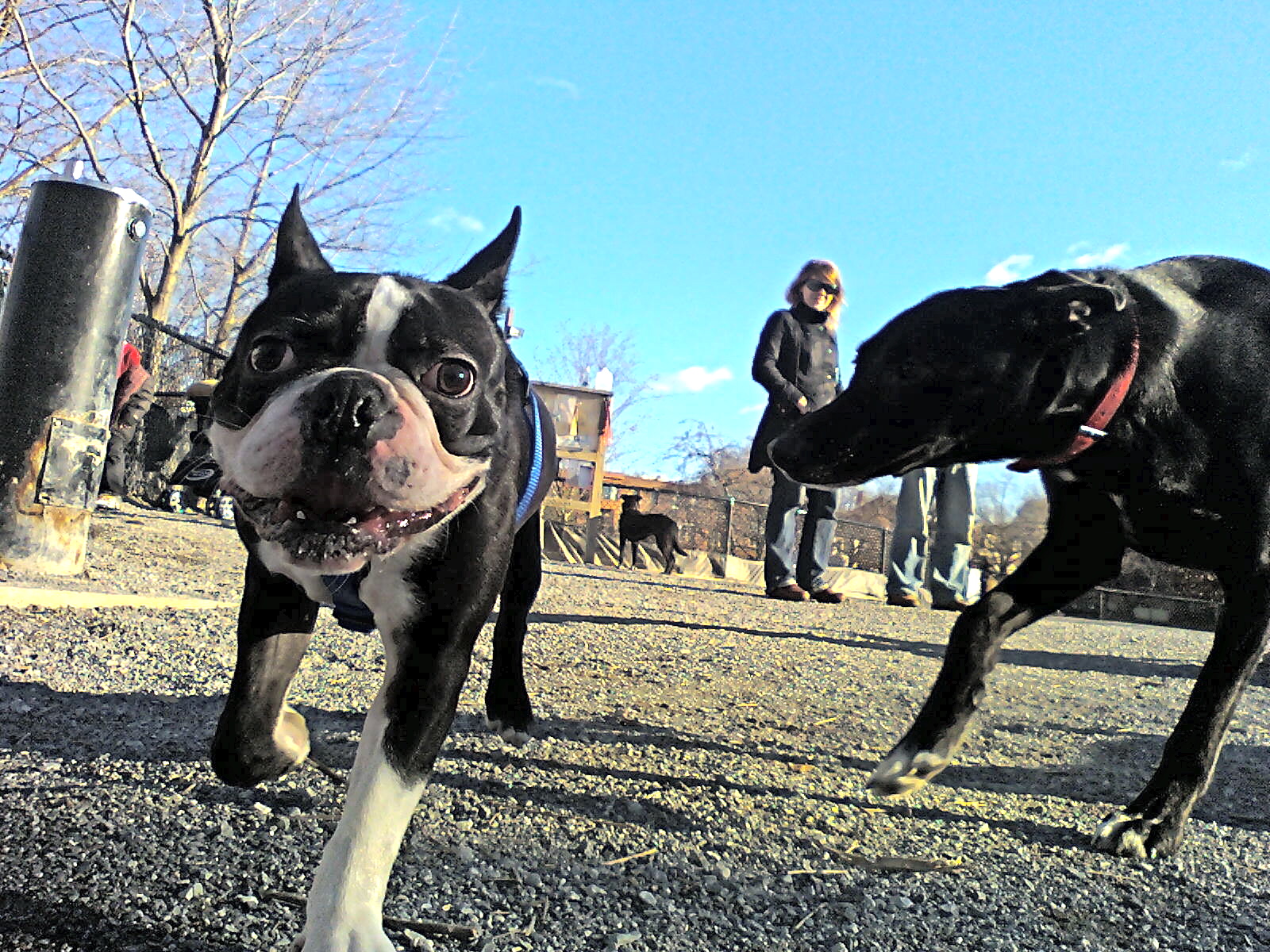
    Featured image: Boston Terrier in a Philadelphia dog park, photograph by Lyonspen via Wikimedia Commons, licensed under CC BY-SA 3.0.

  • Pembroke Welsh Corgi

    Pembroke Welsh Corgi

    The Pembroke Welsh Corgi is a compact Welsh herding breed with an alert expression, upright ears, a weather-resistant double coat and far more drive than its short legs suggest. The American Kennel Club standard describes adults as 10–12 inches at the shoulder, with males up to 30 pounds and females up to 28 pounds. A Pembroke can be an affectionate, highly trainable companion, but prospective owners should plan for daily activity, frequent shedding, vocal alerting and careful weight management.

    Temperament and household fit

    Pembrokes were developed to move cattle and work around farms. That background helps explain their confidence, quick reactions and tendency to monitor movement. Well-bred dogs are typically lively, loyal and interested in their people. They are small enough for many homes but are not passive lapdogs. An owner who enjoys training, walks and shared activities is usually a better match than someone seeking a dog content with little engagement.

    Many live successfully with children when socialized and supervised. Herding behavior can appear as chasing or nipping at moving heels, so teach an alternative before it becomes a habit. Children should never climb on, corner or disturb a sleeping or eating dog. Introduce cats and dogs gradually, give each animal separate resources and judge compatibility by the individual rather than assuming the breed guarantees it.

    Exercise and enrichment

    Healthy adults benefit from daily walks, sniffing, play and short training sessions. Moderate exercise suits the breed better than repeated high-impact jumping. Hiking, tracking, obedience, rally, controlled fetch and herding activities can provide useful variety. Increase intensity gradually, avoid hot pavement and watch for slowing, limping or reluctance to move.

    Puppies need exploration, social learning and sleep rather than forced running. Their skeletons are still developing. Indoors, food puzzles, scent searches, toy rotation and calm settling practice work the brain without pounding the joints. A bored Pembroke may bark, chew, chase or invent a patrol route through the house. Activity should build fitness and self-control instead of simply exhausting the dog.

    Training and socialization

    Start reward-based training as soon as the dog arrives. Useful early skills include name response, recall, loose-leash walking, leave-it, dropping objects, waiting at doors, settling on a mat and accepting handling. Pembrokes learn quickly and may also learn unwanted patterns quickly. Prevent rehearsal with gates, leashes and sensible storage, then reinforce the behavior you want.

    Socialization means controlled, positive exposure rather than forced greetings. Pair people, friendly vaccinated dogs, vehicles, household noises, surfaces and veterinary handling with food, play and distance. Teach the puppy that it can look and disengage. If it freezes, hides, lunges or cannot take food, the situation is too difficult. A qualified reward-based trainer or veterinary behavior professional should address persistent fear, guarding or aggression early.

    Coat, nails, teeth and ears

    The short double coat sheds throughout the year and often releases much more undercoat seasonally. Brush at least weekly and more often during heavy shedding. A slicker brush and comb can lift loose coat without shaving the protective layers. Bathe when dirty with dog-safe shampoo, rinse thoroughly and dry the dense coat to the skin. Sudden hair loss, odor, sores or persistent itching needs veterinary assessment.

    Trim nails regularly so the feet maintain stable contact with the floor. Brush teeth daily with canine toothpaste and arrange professional dental care as advised. Check ears for redness, odor, pain or discharge without inserting swabs into the canal. Cooperative care training—paw touches, chin rests and brief stillness—makes routine grooming safer and reduces stress.

    Feeding and weight control

    Feed a complete and balanced diet appropriate for age and measure portions. Use part of the daily ration for training and count treats. The Pembroke Welsh Corgi Club of America warns owners not to allow excess weight. Extra mass increases the load on a long-backed, short-legged body and can worsen mobility problems. A veterinarian can show you how to feel the ribs and assess the waist rather than relying only on a scale.

    Avoid unbalanced homemade or raw diets unless formulated and monitored by a board-certified veterinary nutritionist. Keep chocolate, grapes, raisins, xylitol, onions, medications and cannabis products inaccessible. Sudden appetite change, repeated vomiting, diarrhea, abdominal pain or rapid weight change warrants veterinary advice. Fresh water should always be available.

    Health screening and veterinary care

    The national breed club recommends verifiable screening of breeding dogs rather than a vague claim that parents were “vet checked.” The Pembroke Welsh Corgi Club of America highlights hip evaluation and eye examination and discusses inherited risks including von Willebrand disease and degenerative myelopathy. Available tests must be interpreted correctly: a DNA result addresses a specific variant and does not replace clinical examinations or guarantee lifetime health.

    As a chondrodysplastic, long-backed breed, a Pembroke also needs sensible protection from obesity, slippery floors and repeated jumps from furniture. Limping, weakness, dragging toes, back pain or loss of coordination requires prompt veterinary care. Maintain routine examinations, vaccination, parasite prevention and dental care under local guidance. Ask a breeder for original public results for both parents and for a clear family history of longevity and temperament.

    Housing, time alone and safety

    Apartment living can work when exercise, toilet breaks and barking are managed. Floor area matters less than a predictable routine and access to suitable outdoor space. Use non-slip rugs, a supportive bed and ramps or management where repeated stair or furniture jumps are a concern. Secure fencing is valuable because a herding dog may chase movement. An electronic boundary does not stop traffic, wildlife or other dogs from entering.

    Teach time alone in small steps using a comfortable rest area and safe enrichment. Sudden full workdays can cause distress or toileting problems. Arrange a walker or sitter when needed. Keep identification and microchip records current, use a leash near roads and restrain the dog safely in vehicles. Never leave any dog in a parked car.

    Choosing a breeder or rescue

    A responsible breeder discusses strengths and problems openly, documents recommended health screening, raises puppies in a clean enriched setting, uses a contract and remains available after placement. Meet the mother and, when possible, other adult relatives. Avoid sellers focused on “rare” colors, extreme proportions or instant payment, and those unwilling to show where puppies live.

    Rescue is another sound route. Ask how the individual responds to handling, visitors, children, animals, food, confinement, grooming and time alone. Obtain medical records and clarify post-adoption support. Keep the first weeks predictable, schedule a veterinary examination and arrange training early. The goal is a good match, not the fastest placement.

    Frequently asked questions

    Are Pembroke Welsh Corgis good family dogs?

    Many are affectionate and loyal family companions, but their herding drive, alert barking and energy require training, activity and adult supervision around children.

    How much exercise does a Pembroke Welsh Corgi need?

    Healthy adults need daily walks, play and mental work, with intensity adjusted for age, fitness, weather and veterinary advice.

    Do Pembroke Welsh Corgis shed a lot?

    Yes. Their dense double coat sheds year-round and often more heavily during seasonal coat changes, so regular brushing is essential.

    Can a Pembroke Welsh Corgi live in an apartment?

    Yes, if the dog receives reliable exercise, training, toilet access and mental enrichment and the owner manages barking and shared-space manners.

    What health tests should a Pembroke Welsh Corgi breeder show?

    Ask for verifiable hip and eye results and discuss testing for inherited concerns such as von Willebrand disease and degenerative myelopathy, following current national breed-club guidance.

    Sources and image credit

    Featured image: Pembroke Welsh Corgi photographed by Marsiyanka, from Wikimedia Commons, licensed CC BY-SA 3.0.

  • Doberman Pinscher

    Doberman Pinscher

    The Doberman Pinscher is an athletic working breed developed in Germany and known for close family bonds, vigilance, and fast learning. The American Kennel Club standard describes males at 26–28 inches and females at 24–26 inches at the shoulder; common adult weights span roughly 60–100 pounds. Those figures describe the breed, not a promise for an individual puppy. A well-bred Doberman can be affectionate and steady, but its strength, speed, protective tendency, and need for daily engagement make thoughtful training and health screening essential.

    Temperament and household fit

    Breed standards describe the Doberman as energetic, watchful, determined, alert, fearless, loyal, and obedient. Good temperament is neither indiscriminate friendliness nor uncontrolled suspicion. A stable dog notices change, responds to its handler, and can settle when no threat exists. Genetics, early care, pain, learning history, and the household all shape behavior, so meet adult relatives when possible and avoid sellers who market anxiety or aggression as proof of protection ability.

    Many Dobermans live happily with respectful children, but adults must supervise. A young dog can knock over a child during play, and no child should climb on, corner, or disturb a sleeping or eating dog. Introduce other pets gradually behind gates and on loose leashes. Some individuals have strong chase behavior or are selective with unfamiliar dogs. Provide separate feeding and resting areas and judge compatibility by behavior rather than breed labels alone.

    Exercise and mental work

    Healthy adults need substantial daily physical activity plus tasks that use the brain. Brisk walks, hiking, controlled running after maturity, scent searches, obedience, tracking, agility foundations, and structured play can all help. Increase work gradually and adjust for heat, surface, fitness, and veterinary advice. Repetitive ball chasing with hard stops can strain the body; varied movement and recovery are more useful than exhausting a dog in one intense session.

    Puppies need frequent short outings, exploration, play, and sleep rather than forced distance running. Growth plates and coordination are still developing. Mental enrichment can include food puzzles, finding hidden items, naming toys, pattern games, and calm place training. A bored Doberman may invent activities such as barking, chewing, fence running, or monitoring every movement in the home. Exercise cannot replace training, rest, or social contact.

    Training and socialization

    Begin reward-based training immediately. Priorities are name response, recall, loose-leash walking, leave-it, dropping objects, waiting at doors, settling on a mat, and accepting veterinary handling. Short clear sessions prevent frustration. Reinforce behavior you want and manage the environment so unwanted behavior is not rehearsed. Harsh physical corrections can increase fear and defensive responses in a powerful, sensitive dog.

    Socialization means safe exposure at a distance the puppy can handle, not forced greetings. Pair people, calm vaccinated dogs, traffic, household sounds, surfaces, vehicles, grooming, and clinic visits with food, play, and choice. Teach recovery after surprises. If the dog freezes, hides, lunges, or cannot eat, increase distance. A qualified reward-based trainer or veterinary behavior professional should address persistent fear, guarding, separation distress, or aggression early.

    Grooming, teeth, ears, and nails

    The short smooth coat is relatively simple. Brush with a rubber mitt or soft brush once or twice weekly to remove loose hair and inspect the skin. Bathe when dirty with dog-safe shampoo and rinse thoroughly. Dobermans can feel cold because the coat offers little insulation, so limit exposure in severe weather and use a well-fitted coat when appropriate. Sudden hair loss, sores, odor, or persistent itching needs veterinary assessment.

    Brush teeth daily with canine toothpaste. Trim nails often enough to maintain quiet, stable footing; long nails alter posture and reduce traction. Check ears weekly for redness, discharge, odor, or pain, without putting swabs into the canal. Natural and cropped ears both require observation, and cropping is a separate ethical and legal issue that does not improve the dog’s worth as a companion. Teach cooperative chin rests, paw touches, and stillness before care becomes urgent.

    Feeding and body condition

    Choose a complete and balanced food for the dog’s life stage and feed measured portions. Use some of the daily ration for training and count treats. A veterinarian can show how to assess body condition: ribs should be easy to feel beneath a light covering, with a waist visible from above. Excess weight increases stress on joints and the cardiovascular system, while sudden weight loss can signal disease.

    Avoid unbalanced homemade or raw diets unless formulated and monitored by a board-certified veterinary nutritionist. Keep chocolate, grapes, raisins, xylitol, onions, medications, and cannabis products inaccessible. Discuss meal timing and gastric dilatation-volvulus risk with the veterinarian. Repeated unproductive retching, a swollen abdomen, drooling, restlessness, weakness, or collapse requires immediate emergency care.

    Health screening and veterinary care

    Dobermans have a serious breed risk for dilated cardiomyopathy. A dog can appear normal before rhythm abnormalities or weak heart contraction become obvious. Responsible breeding programmes use repeated cardiac screening by a veterinary cardiologist, commonly including echocardiography and ambulatory electrocardiography. One normal test at a young age does not provide lifetime clearance. Seek prompt care for fainting, coughing, reduced stamina, rapid breathing at rest, or collapse.

    Breeding dogs should also have verifiable testing relevant to von Willebrand disease, hips, thyroid function, and eyes according to current Doberman Pinscher Club of America and OFA guidance. DNA status must be interpreted correctly: a genetic result may show clear, carrier, or at-risk status for a variant, while clinical expression can be more complex. Ask for original, public results for both parents rather than accepting “health checked.”

    Other concerns include cervical vertebral instability commonly called Wobbler syndrome, hip dysplasia, hypothyroidism, chronic hepatitis, and bloat. Maintain routine examinations, vaccination, parasite prevention, and dental care under local veterinary guidance. Know the nearest emergency hospital and keep transport available for a dog that cannot walk.

    Time alone, housing, and safety

    Dobermans commonly want close involvement in family life and are poorly suited to isolation in a yard or kennel. Teach time alone in small steps with a safe resting area and durable enrichment. Sudden full workdays can trigger distress. Arrange a walker, sitter, or suitable day care when toilet, exercise, and social needs cannot be met. Secure fencing is essential; an electronic boundary does not stop other animals entering and may fail during a high-arousal chase.

    Apartment living can work for an individual with enough outings, training, and quiet behavior, but access matters more than floor area. Use non-slip rugs, a supportive bed, and a vehicle restraint or sturdy crate. Keep identification and microchip details current. Use a leash near roads, avoid hot pavement, and never leave a dog in a parked vehicle.

    Choosing a breeder or rescue

    A responsible breeder discusses longevity, temperament, and health problems as openly as appearance. They show public health results, explain how puppies are raised and socialized, use a contract, screen homes, and remain available after placement. Avoid sellers who advertise extreme size, “rare” color, or protection aggression, always have puppies available, hide living conditions, or cannot document cardiac screening.

    Rescue can be an excellent route. Ask how the dog responds to handling, visitors, children, animals, food, vehicles, confinement, and time alone. Obtain medical records and clarify support after adoption. Keep the first weeks predictable and do not overwhelm a new dog with visitors or dog parks. Book a veterinary examination and arrange training before problems become established.

    Frequently asked questions

    Are Doberman Pinschers good family dogs?

    Many are loyal and affectionate family companions, but their strength and protective tendencies require stable breeding, early socialization, reward-based training, and adult supervision around children.

    How much exercise does a Doberman Pinscher need?

    Healthy adults usually need substantial daily walking, play, training, and mental work. The amount should be adjusted for age, fitness, heat, health, and veterinary advice.

    Do Doberman Pinschers need much grooming?

    The short coat needs only regular light brushing and occasional bathing, but teeth, nails, ears, skin, and cooperative handling still need consistent care.

    Can a Doberman Pinscher live in an apartment?

    Yes, an individual can succeed with reliable exercise, training, toilet access, and calm indoor habits, although stairs, noise, and limited outdoor access may complicate care.

    What health tests should a Doberman breeder show?

    Ask for current, verifiable cardiac screening plus the breed club’s recommended testing for von Willebrand disease, hips, thyroid, and eyes for both parents.

    Sources and image credit

    Featured image: four-month-old Doberman Pinscher photographed by Willitorivera, from Wikimedia Commons, licensed CC BY-SA 3.0.