Category: Pets

  • Labrador Retriever

    Labrador Retriever

    The Labrador Retriever is a medium-to-large sporting dog developed from water dogs used around Newfoundland and later refined in Britain as a game retriever. Labradors are commonly friendly, active, and eager to work with people, but popularity should not be mistaken for effortless ownership. A Lab needs daily exercise, patient training, measured meals, regular grooming, preventive veterinary care, and a household prepared for a strong, enthusiastic adolescent dog.

    Labrador Retriever at a glance: 55–80 lb (25–36 kg); about 21.5–24.5 in (55–62 cm); expected lifespan 11–13 years; short double coat; high exercise and social needs.

    Is a Labrador Retriever right for you?

    A Labrador can suit an active household that wants a sociable companion and enjoys training, walking, swimming, retrieving, scent games, or dog sports. Many Labs are highly food motivated and responsive to reward-based teaching. They often want to join daily family life rather than spend long periods isolated in a yard or room.

    Young Labradors can be bouncy, mouthy, and physically powerful. They may carry household objects, jump during greetings, pull on the lead, or chew when their needs are not met. These normal tendencies require management and teaching rather than punishment. Prospective owners should budget for a secure home, sturdy equipment, quality food, veterinary care, training, and help during long absences.

    Size, lifespan, coat, and appearance

    Trait Typical Labrador Retriever
    Adult weight Females about 55–70 lb (25–32 kg); males about 65–80 lb (29–36 kg)
    Adult height Approximately 21.5–24.5 in (55–62 cm) at the shoulder
    Life expectancy About 11–13 years, with individual variation
    Coat Short, dense, weather-resistant double coat
    Recognized colors Black, yellow, and chocolate

    The breed has a broad head, strong body, webbed feet, and a thick tail often described as an otter tail. Field-bred and show-bred dogs may differ in build and energy, but neither label predicts the temperament or health of an individual. “Silver” Labs are associated with a dilute coat-color gene; color marketing does not create a separate breed and should never replace attention to welfare, pedigree, temperament, and health screening.

    Temperament and family compatibility

    Labradors are generally described as outgoing, kindly, and trainable. Many live successfully with children and other pets after careful introductions. Breed tendencies are only a starting point: genetics, early experience, health, and learning all shape behavior. No dog should be assumed safe with a child solely because of breed.

    Adults should supervise interactions, prevent climbing or grabbing, and teach children to leave a dog alone while it eats, sleeps, or rests in a quiet space. A large wagging dog can knock over a toddler without intending harm. Cats and smaller pets need escape routes and gradual, controlled introductions because an excited Lab may chase even when it appears playful.

    Exercise and enrichment

    Healthy adult Labradors usually need substantial daily exercise. Combine walks with sniffing, retrieving, swimming where water is clean and safe, food puzzles, and short training sessions. Repetitive high-speed ball throwing can encourage frantic arousal and place repeated stress on joints, so vary activities and include calm searching and settling skills.

    Puppies need frequent short outings, exploration, play, and sleep rather than forced distance running. Growth plates and coordination are still developing. Older dogs and those with joint, heart, or weight problems need an individualized plan from a veterinarian. In hot weather, move activity to cooler hours, provide water and shade, and stop if the dog struggles to breathe, becomes uncoordinated, or seems unusually tired.

    Swimming is popular with many Labs, but ability and confidence vary. Introduce water gradually, use a canine life jacket around boats or deep water, and prevent access to fast currents, blue-green algae, or cold conditions. Rinse and dry the dog after swimming and check the ears, paws, and skin.

    Training and social development

    Begin reward-based training when the puppy comes home. Prioritize recall, loose-lead walking, giving up objects, calm greetings, waiting at doors, comfortable handling, and relaxing on a mat. Because Labradors often explore with their mouths, trade stolen items for food or a suitable toy instead of chasing or forcing the mouth open.

    Socialization means creating safe, positive experiences, not overwhelming a puppy with every person or dog. Pair new surfaces, sounds, people, vehicles, veterinary handling, and calm vaccinated dogs with food and choice. A well-run puppy class can help owners practice around distractions. Fear, guarding, or persistent overexcitement deserves early guidance from a qualified reward-based trainer or veterinary behavior professional.

    Feeding and weight management

    Feed a complete and balanced diet appropriate for the dog’s age and health. Large-breed puppy food supports controlled growth; extra calcium or unbalanced homemade recipes can be harmful unless a veterinary nutritionist formulates them. Measure portions, count treats, and divide the daily allowance between meals and training.

    Labradors can be intensely interested in food and are prone to excess weight. You should be able to feel the ribs beneath a light covering and see a waist from above. Thick skin and coat can make gradual weight gain easy to miss, so record weight and body condition over time. Use slow feeders or food puzzles for dogs that gulp, keep human food and rubbish secure, and contact a veterinarian promptly after suspected ingestion of toxins, medication, corn cobs, socks, or other objects.

    Grooming and routine care

    The short double coat sheds throughout the year and often heavily during seasonal coat changes. Brush once or twice weekly and more often when loose undercoat increases. Occasional bathing is usually sufficient unless the dog is dirty or a veterinarian prescribes a skin-care plan. Shaving does not stop shedding and can interfere with the coat’s protective function.

    Trim nails before they affect gait, brush teeth with dog-safe toothpaste, and inspect ears after swimming. Redness, odor, discharge, repeated head shaking, or painful ears require veterinary assessment rather than repeated home cleaning. Check paws for cuts and foreign material after outdoor activity, and keep parasite prevention appropriate to local risks.

    Health screening and veterinary care

    Conditions of concern in Labradors include hip and elbow dysplasia, inherited eye disease, exercise-induced collapse, centronuclear myopathy, cardiac disease, obesity, ear and skin disease, and some cancers. The Labrador Retriever Club recommends specific orthopedic, eye, and genetic clearances for breeding dogs. A seller’s claim that parents were “vet checked” is not the same as documented breed-relevant screening.

    Ask for verifiable results for both parents and understand that screening reduces risk without guaranteeing a disease-free puppy. Routine examinations, vaccination based on veterinary advice, dental care, parasite control, and lean body condition remain important throughout life. Discuss neutering timing with the veterinarian using the dog’s sex, development, health, lifestyle, and pregnancy-prevention needs rather than relying on a single rule for every Lab.

    Seek urgent care for a swollen abdomen with unproductive retching, collapse, severe breathing difficulty, heat illness, sudden inability to use the legs, or suspected poisoning. Arrange prompt assessment for persistent lameness, reduced stamina, repeated ear infections, unexplained weight change, a new lump, or a major change in appetite or behavior.

    Choosing a puppy or rescue Labrador

    A responsible breeder should explain temperament, pedigree, socialization, and health testing; allow buyers to see where puppies are raised; provide records; and remain available after purchase. Avoid sellers who focus on rare colors, promise a particular adult personality, refuse documentation, always have puppies immediately available, or pressure buyers to send money.

    Breed rescues and general shelters also place Labradors and Lab mixes. Ask what staff have observed around people, dogs, food, handling, and time alone. An adult dog’s known behavior may help with matching, but every dog needs a gradual transition, secure management, veterinary review, and time to settle.

    Common questions

    Are Labrador Retrievers good family dogs?

    Many are affectionate and sociable family companions, but compatibility depends on the individual dog, training, supervision, and the household’s ability to meet exercise and care needs.

    How much exercise does a Labrador need?

    Most healthy adults need substantial activity every day, divided among walks, play, retrieving, swimming, scent work, and training. Age, weather, fitness, and medical conditions should determine the exact plan.

    Do Labradors shed a lot?

    Yes. Their short double coat sheds year-round and often more heavily during seasonal changes. Regular brushing controls loose hair but does not eliminate shedding.

    Can a Labrador live in an apartment?

    Yes, if the dog receives reliable outdoor exercise, toilet breaks, enrichment, training, and quiet rest. A large garden does not replace interaction or structured activity.

    Are Labradors easy to train?

    They are often food motivated and willing to work with people, which can help training. Their strength, excitement, and long adolescence still require consistent practice and careful management.

    Families comparing retrievers can also review the Golden Retriever guide for differences in coat care and daily routines.

    Sources and image credit

  • Savannah Cat

    Savannah Cat

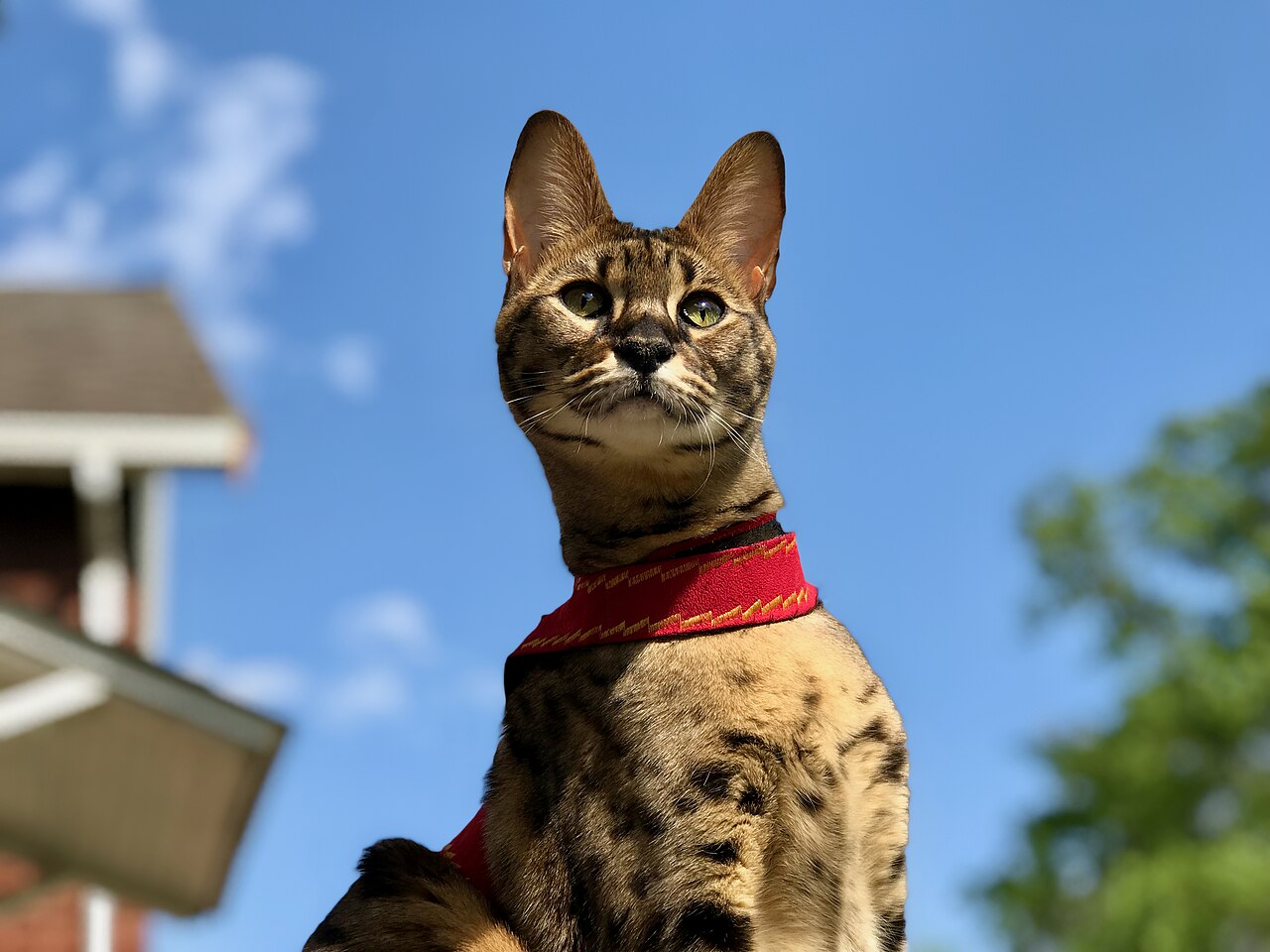
    Savannah Cat (Felis catus) is a domestic hybrid breed known for long legs, large ears and a spotted coat. This guide separates well-supported biology from common assumptions and covers identification, range, habitat, diet, behavior, reproduction and conservation.

    Identification

    A tall, lean cat with a small head, large upright ears, long neck and legs, hooded eyes and bold solid spots over a gold, silver, brown or smoke background. Males are usually larger than females, especially in earlier generations, but individual size varies widely.

    Identification should combine body shape, markings, size, voice or movement, and location. One feature by itself can overlap with a related animal, a juvenile, or an individual in unusual light.

    Photographs are most useful when they preserve scale and show several diagnostic features. Handling or repositioning a wild savannah cat for identification can cause stress and is unnecessary.

    Size and physical adaptations

    Savannah Cat typically measures highly variable; often 40–50 cm body length and weighs commonly 5–10 kg, with wide variation. Generation, sex and individual inheritance matter; marketing claims about guaranteed giant size are unreliable.

    Its useful adaptations include long legs support athletic jumps, large mobile ears localize sounds, spotted coat reflects serval ancestry, high curiosity supports complex problem-solving. These traits work together in the animal’s normal setting rather than serving as isolated curiosities.

    Published measurements may use different methods, life stages or sample locations. Comparing figures responsibly means checking what was measured rather than selecting the largest number available.

    Range and distribution

    Developed as a breed in the United States and now kept internationally where local laws allow. The native range includes United States.

    A country-level map indicates broad distribution, not continuous occupation. Climate, elevation, water, vegetation, prey, breeding sites, barriers and survey effort all affect where records occur.

    Records near the edge of the range deserve careful documentation because they may reflect natural movement, improved survey coverage, accidental transport or a genuine distribution change.

    Habitat

    A secure, enriched indoor home with tall climbing structures, hiding areas, scratchers and protected outdoor access such as a catio.

    Vertical territory and daily interactive play are essential; doors, windows and screens must resist an athletic, curious cat. Protecting a population therefore requires the feeding, shelter and breeding features that make a site usable, along with connections that allow movement.

    Microhabitat matters. Shade, soil, current, moisture, shelter or host plants can determine whether a small area is usable even when the surrounding landscape appears suitable.

    Diet and feeding

    Savannah Cat is a obligate carnivore. Important foods include complete balanced commercial cat food, measured treats, fresh water. Feed an age-appropriate complete and balanced feline diet. Raw or homemade diets risk pathogens and nutrient imbalance unless formulated by a board-certified veterinary nutritionist.

    Diet changes with age, season, location and food supply. A dramatic prey record does not establish what most individuals eat most of the time; repeated field observations provide a stronger picture.

    Feeding opportunities also create risk. An animal focused on prey may be less alert to predators, traffic or people, while contaminated prey can transfer pollutants through the food web.

    Behavior and communication

    Highly active with daily play and climbing needs. Savannahs often explore, jump, retrieve, open simple fixtures and form close bonds, but personality differs by individual and generation.

    Meows, chirps, purrs, scent and posture communicate needs and emotion. Behavior should be interpreted in context: alarm, courtship, feeding and temperature regulation can produce very different actions from the same animal.

    Daily schedules are flexible responses, not rigid rules. Weather, breeding condition, disturbance, tides or food can move activity into a different part of the day.

    Reproduction and development

    Responsible breeders prioritize health, temperament and genetic diversity rather than extreme size or appearance. Domestic cats commonly have several kittens per litter. undefined

    Young animals face different risks and may use different microhabitats or food than adults. Breeding success depends on adult condition, suitable sites and the survival of offspring through vulnerable early stages.

    Counts of eggs or young describe reproductive output, not the number expected to reach adulthood. Mortality is normally greatest during eggs, larval or juvenile stages.

    Predators and ecological role

    Domestic companion breed; must not roam because hunting threatens wildlife and escape can endanger the cat. Documented or likely predators include Vehicles, Dogs, Wild Carnivores.

    This animal is both a consumer and a food source. Its influence comes through many repeated interactions, so ecological claims should be based on measured populations rather than assumptions drawn from appearance.

    Predator and prey relationships differ among places. A species can be ecologically influential without being abundant everywhere, and its role can change across its range.

    Relationship with people

    Owners need time for daily play, reward-based training, secure containment, routine veterinary care and careful introductions to children and other pets.

    Check national, state and municipal ownership rules before acquisition because restrictions may depend on filial generation. Never declaw; provide scratching surfaces and cooperative handling. Responsible observation means keeping an appropriate distance, avoiding capture or feeding, protecting habitat and following local wildlife or invasive-species guidance.

    Wildlife guidance should come from the responsible local agency because collection rules, reporting requests and appropriate responses differ between native and introduced ranges.

    Conservation

    Domestic breeds do not receive a wild-species IUCN assessment. The reported global trend is Not applicable to a domestic breed.

    Important pressures include irresponsible breeding, escape and road injury, obesity from excess feeding, under-stimulation. Global status can hide local decline or recovery, so current regional monitoring and habitat management remain necessary.

    The most useful conservation action follows the documented pressure. Protecting breeding sites, reducing road deaths or limiting pollutants can require different tools in different populations.

    Savannah cat FAQs

    What do F1, F2 and later Savannah labels mean?

    They describe how many generations a cat is removed from a serval ancestor. The label does not guarantee an exact size, appearance or temperament.

    Are Savannah cats legal everywhere?

    No. Rules differ by country, state and municipality and may depend on filial generation. Check current local law before acquiring or moving with one.

    How big does a Savannah cat get?

    Size varies widely with sex, generation and individual inheritance. Many are comparable to a large domestic cat, while some early-generation males are larger.

    Do Savannah cats need special food?

    They need a complete and balanced feline diet. Use raw or homemade diets only with qualified veterinary nutrition guidance because nutritional errors and pathogens can cause harm.

    Are Savannah cats good family pets?

    Some thrive in active, experienced homes, but energy, prey drive and handling tolerance differ. Careful supervision, secure containment and gradual introductions are essential.

    For another athletic spotted cat with intensive enrichment needs, compare the Bengal guide; ownership rules and ancestry still require separate checking.

    Sources and further reading

  • French Bulldog

    French Bulldog

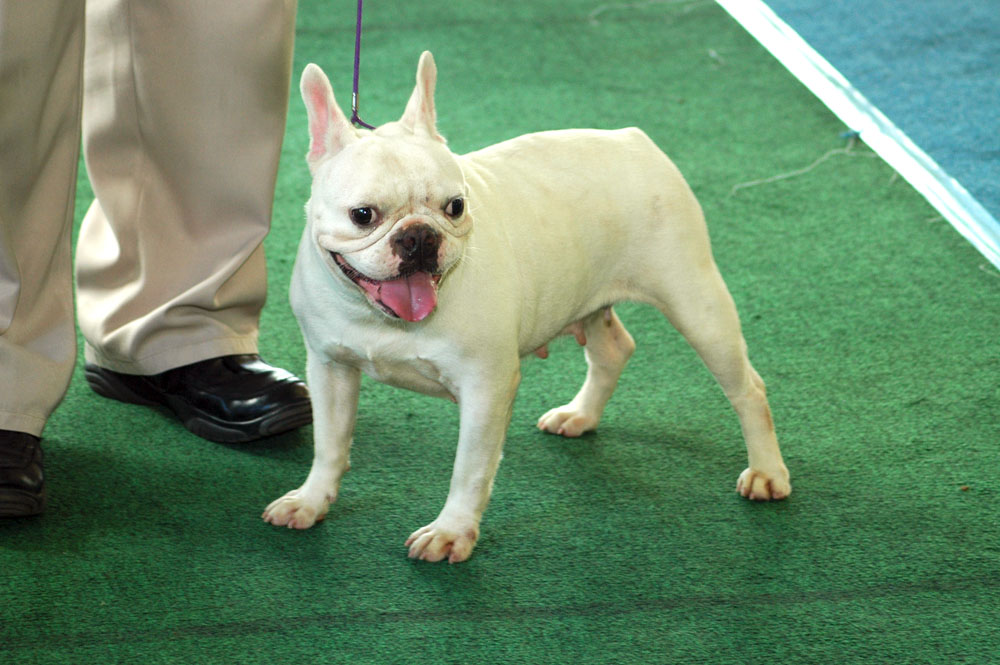
    The French Bulldog is a compact companion dog with upright “bat ears,” a short coat, muscular build, and an affectionate, adaptable personality. Its moderate exercise needs can suit urban homes, but its extremely short muzzle and front-heavy body create health and safety needs that every prospective owner should understand before choosing the breed.

    French Bulldog at a glance: usually under 28 lb (13 kg); approximately 11–13 in (28–33 cm) tall; typical lifespan around 10–12 years; low heat tolerance; weekly brushing and regular skin-fold care.

    Is a French Bulldog right for you?

    Frenchies are people-oriented dogs that often enjoy close indoor companionship, short walks, play, and learning for rewards. Many adapt well to apartments because they do not need distance running or a large garden. Apartment suitability still depends on toilet access, training, enrichment, noise tolerance, and the dog’s ability to cope when alone.

    This breed is a poor match for owners seeking a jogging partner, a dog that can safely exercise in hot weather, or a naturally strong swimmer. Veterinary costs can be substantial. Before acquiring one, budget for insurance or emergency care and identify a veterinarian familiar with brachycephalic dogs.

    Size, appearance, and lifespan

    Trait Typical French Bulldog
    Weight Usually under 28 lb (13 kg)
    Height About 11–13 in (28–33 cm)
    Lifespan Approximately 10–12 years
    Coat Short, smooth, and moderately shedding
    Exercise Short daily walks and play, adjusted for breathing and temperature

    The breed has a large square head, broad chest, compact muscular body, short tail, facial folds, and naturally erect ears. Exaggeration is not a health advantage. An extremely narrowed nose, distressed breathing at rest, poor movement, or inability to tolerate ordinary activity should never be accepted as “normal for the breed.”

    Temperament and family life

    French Bulldogs are often playful, alert, and affectionate. They can live successfully with respectful children and other pets, but breed tendencies do not guarantee an individual dog’s behavior. Supervise children, protect sleeping and eating areas, and introduce animals gradually.

    Close attachment can make alone-time training important. Build absences slowly, provide a predictable resting area, and seek qualified help if the dog panics, vocalizes continuously, soils, or injures itself when left. Socialization should create positive, controlled experiences rather than overwhelming a puppy.

    Breathing and heat safety

    The shortened skull is associated with brachycephalic obstructive airway syndrome. Warning signs include loud breathing while awake, frequent gagging, exercise intolerance, disturbed sleep, blue or gray gums, and collapse. Snoring alone should not be used to dismiss breathing difficulty. A veterinarian can assess nostrils, airway structures, body condition, and whether treatment is needed.

    Exercise during cooler parts of the day, use a well-fitted harness, provide shade and water, and stop before distress develops. Never leave a dog in a parked vehicle. Heavy panting that does not settle, weakness, vomiting, confusion, collapse, or abnormal gum color requires emergency veterinary care.

    Exercise and enrichment

    Most healthy Frenchies benefit from several short walks and play sessions rather than one strenuous outing. Weather, age, airway health, joints, and fitness should determine the amount. Avoid forced running and intense activity in heat or humidity.

    Use food puzzles, scent searches, gentle tug, retrieve games, and short training sessions to provide mental activity. Enrichment helps prevent boredom without asking the dog to overheat. Maintain a lean body condition because excess weight increases stress on breathing, joints, and the spine.

    Training a French Bulldog

    Begin reward-based training with toilet habits, recall, loose-lead walking, calm greetings, handling, and settling on a mat. Frenchies can be persistent, so brief sessions and valuable rewards work better than confrontation. Teach a reliable “drop” and prevent access to objects that could be swallowed.

    Choose puppy classes that control temperature and allow rest. Punishment cannot correct an anatomical breathing restriction and may make handling or veterinary care harder. Sudden reluctance to move, sit, climb, or be touched deserves medical assessment before it is treated as disobedience.

    Feeding and weight management

    Feed a complete and balanced diet appropriate for the dog’s life stage. Measure meals, include treats in the daily calorie allowance, and track body condition. You should be able to feel the ribs beneath a light covering and see a waist from above.

    Slow feeders may help dogs that gulp food, but repeated regurgitation, choking, vomiting, diarrhea, or swallowing difficulty requires veterinary attention. Avoid unbalanced homemade diets and supplements unless a veterinary professional has identified a need.

    Grooming, folds, teeth, and nails

    Brush the short coat weekly. Check facial folds and the tail area, cleaning only with products and frequency recommended for the individual dog; folds should be kept dry after cleaning. Redness, odor, discharge, pain, or persistent licking can indicate infection.

    Trim nails regularly and introduce tooth brushing with dog-safe toothpaste. Check the prominent eyes for squinting, cloudiness, injury, or discharge. Eye pain can worsen quickly and needs prompt veterinary care.

    Swimming and travel safety

    French Bulldogs are front-heavy and cannot be assumed to swim safely. Keep them away from unsupervised pools, baths, ponds, and open water. A canine life jacket and close adult control are necessary around water, but flotation equipment does not remove the risk.

    Travel requires temperature control and secure restraint. Airline policies for brachycephalic breeds differ because respiratory risk can increase during transport. Discuss long journeys with a veterinarian and never place a Frenchie in an unventilated cargo space.

    Health screening and choosing a breeder

    Breed concerns include airway obstruction, spinal and disc disease, patellar and hip problems, eye disease, allergies, skin-fold disease, and reproductive difficulty. The American Kennel Club lists patella, hip, cardiac, and ophthalmologist evaluations among parent-club recommendations. Screening reduces avoidable risk but cannot guarantee lifelong health.

    Ask to see verifiable results for both parents and observe how adult dogs breathe and move. Avoid sellers advertising extreme features or unusual colors as more important than health. Rescue organizations can also place French Bulldogs; ask for airway, spine, skin, eye, and behavior history.

    Common questions

    Do French Bulldogs need much exercise?

    They need daily movement and enrichment, but usually in short sessions adjusted for temperature and breathing ability. They are unsuitable for strenuous hot-weather exercise.

    Can French Bulldogs swim?

    They are at high risk in water because of their front-heavy build and short muzzle. They should never be left near water unsupervised.

    Are French Bulldogs hypoallergenic?

    No. They shed and produce allergens found in saliva, dander, and skin secretions.

    Why does my French Bulldog snore?

    The shortened airway can create noisy breathing, but frequent or severe noise should be assessed rather than assumed harmless, especially when paired with poor sleep or exercise intolerance.

    Are French Bulldogs good apartment dogs?

    They often adapt well when provided regular toilet breaks, training, companionship, mental enrichment, and temperature-controlled exercise.

    For a larger short-muzzled companion with different exercise and cardiac considerations, compare the Boxer care guide.

    Sources and image credit

  • Maine Coon

    Maine Coon

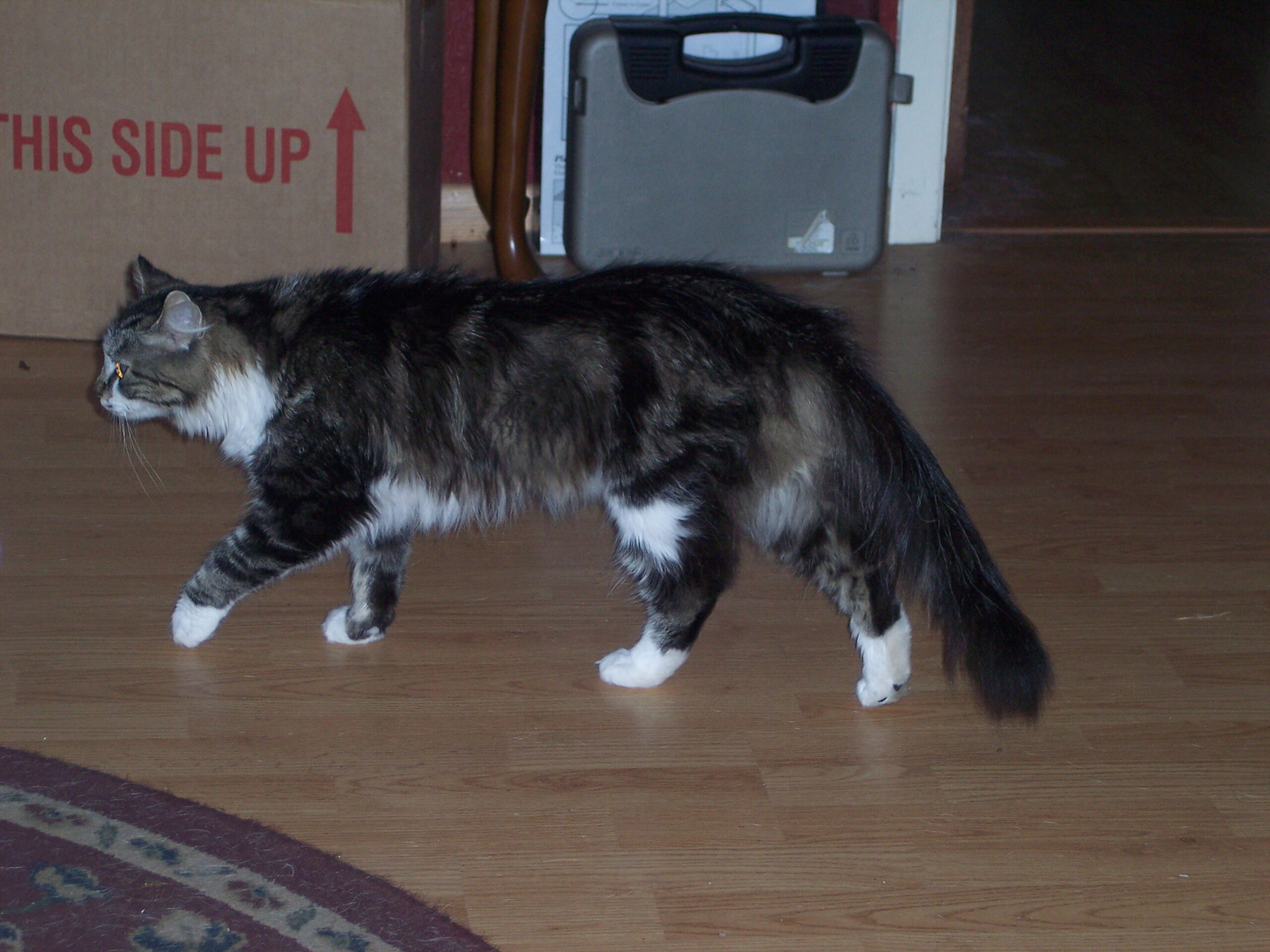
    The Maine Coon is a large, slow-maturing domestic cat known for a shaggy coat, substantial frame, bushy tail, and friendly but usually undemanding personality. This North American breed can be an engaging family companion, but its size and coat make thoughtful feeding, grooming, enrichment, and health screening especially important.

    Maine Coon at a glance: large longhaired cat; females often 12–15 lb and males approximately 18–22 lb; slow maturity over three to five years; sociable temperament; regular combing required.

    Is a Maine Coon right for you?

    A Maine Coon may suit someone who wants a social cat that tends to stay near people without demanding constant handling. Many follow their owners between rooms, investigate household activity, and retain playful habits well into adulthood. Individual personality still matters: some enjoy laps and carrying, while others prefer companionship at arm’s length.

    Prospective owners should plan for a physically large cat rather than choosing the breed for appearance alone. A Maine Coon needs sturdy climbing furniture, a generously sized litter box, a secure carrier, regular coat care, and enough room to move comfortably. Food and veterinary costs can also be higher than for a smaller cat.

    Maine Coon size, lifespan, and appearance

    Trait Typical Maine Coon
    Adult weight Females often 12–15 lb; males commonly around 18–22 lb, with healthy individuals outside these ranges
    Maturity Often three to five years before full adult development
    Life expectancy Commonly 12.5 years or longer, with substantial individual variation
    Coat Semi-long, uneven shag with a lighter shoulder coat and fuller ruff, belly, and tail
    Activity Moderate; playful and interested in interactive games

    The breed has a broad chest, rectangular body, strong legs, large tufted paws, prominent ears, and a long tail. Maine Coons occur in many colors and patterns. Brown tabby is familiar, but coat color does not identify purity or predict personality. A long coat, ear tufts, and a large body are also found in mixed-breed cats; reliable breed identification requires pedigree records rather than appearance alone.

    Temperament and family compatibility

    Breed organizations describe the Maine Coon as gentle, friendly, and good-natured. Many live well with respectful children, cat-friendly dogs, and other cats when introductions are gradual. No breed label guarantees compatibility, so match the individual cat’s history and confidence to the household.

    Teach children to let a cat move away, avoid pulling the tail or coat, and never disturb eating, sleeping, or litter-box use. Provide elevated resting places and at least one quiet retreat that other pets and children cannot crowd. A cat that hides, freezes, swats, or avoids resources may need more distance and a slower introduction.

    Exercise and indoor enrichment

    Maine Coons are often playful without being constantly frantic. Schedule two or more short interactive sessions daily using wand toys, rolling toys, food puzzles, or retrieve games. Rotate toys to preserve novelty and finish hunting-style play with a small food reward when appropriate.

    Use a tall, stable cat tree rated for the cat’s adult weight. Add horizontal and vertical scratchers, window perches, tunnels, and shelves with safe landing spaces. Because the breed is heavy, lightweight furniture that tips or flexes is unsuitable. Check wall anchors, platforms, and scratching posts regularly.

    Outdoor access is safest in a secure catio, enclosed garden, or properly fitted harness after gradual training. Free roaming exposes any cat to vehicles, disease, fights, toxins, and wildlife predation. Indoor enrichment should continue even when supervised outdoor time is available.

    Feeding a Maine Coon

    Feed a complete and balanced cat food appropriate for the animal’s life stage. Cats require animal-derived nutrients, including taurine, and homemade diets should be formulated by a qualified veterinary nutritionist. A large frame does not justify unlimited food.

    Measure portions, count treats, and assess body condition under the coat. You should be able to feel the ribs beneath a light covering and see a waist when looking from above. Regular weigh-ins help detect gradual gain that thick fur can conceal. Ask a veterinarian to set an appropriate target if the cat is growing, neutered, inactive, or managing a medical condition.

    Fresh water should always be available. Some cats drink more readily from wide bowls or fountains positioned away from food and litter boxes. Wet food can contribute dietary moisture, but the best feeding plan depends on the individual cat’s health, preferences, and total calorie needs.

    Grooming and coat care

    Comb the coat at least once or twice a week; cats with a cottony or mat-prone texture may need attention more often. Concentrate on the armpits, belly, chest, trousers, and area behind the ears. Start with brief, rewarded sessions so grooming remains comfortable rather than becoming a wrestling match.

    Never cut close to the skin with scissors because thin cat skin can pull into a mat. Ask a veterinarian or experienced feline groomer to remove tight mats safely. Routine care also includes nail trimming, dental hygiene with cat-safe products, and checking the ears and skin. Sudden greasiness, dandruff, matting, or reduced self-grooming can indicate pain or illness.

    Litter boxes and equipment for a large cat

    Many standard litter trays are too small for an adult Maine Coon. Choose an uncovered box long enough for the cat to turn without touching the sides; large storage-style trays can work when the entry height is suitable. Provide one box per cat plus one extra, distribute them across separate locations, and scoop at least daily.

    A hard-sided carrier should support the cat’s weight and allow comfortable turning. Leave it open in the home with bedding and treats so it becomes familiar. Food bowls, beds, doors, and hiding places should also accommodate the adult cat rather than only the kitten brought home.

    Maine Coon health concerns

    Maine Coons can develop diseases seen in all cats as well as inherited conditions of concern in the breed. These include hypertrophic cardiomyopathy (HCM), hip dysplasia, spinal muscular atrophy, and pyruvate kinase deficiency. HCM causes abnormal thickening of heart muscle, but affected cats do not always show early outward signs.

    A DNA result for one known HCM mutation does not replace a veterinary cardiac evaluation or guarantee that a cat is free from every form of heart disease. The International Cat Association recommends that breeding cats be assessed with echocardiography as well as relevant genetic testing. Responsible breeders should provide verifiable results rather than saying only that their cats are “health tested.”

    Seek urgent veterinary care for open-mouth breathing, labored breathing, collapse, sudden weakness or paralysis of the hind limbs, or severe pain. Arrange a prompt examination for persistent limping, reduced jumping, weight change, poor appetite, or altered behavior. Routine veterinary visits, parasite prevention appropriate to local risk, dental care, and maintaining lean body condition remain important throughout life.

    Choosing a Maine Coon kitten or rescue

    A responsible breeder should discuss temperament, socialization, vaccination, pedigree, and breed-relevant screening for both parents. Kittens should be raised in a clean home environment, remain with their mother and littermates for an appropriate period, and be comfortable with ordinary handling and household experiences. Avoid sellers who advertise extreme size as the main goal, refuse documentation, or offer immediate shipping with little interest in the home.

    Adult Maine Coons and longhaired mixes also enter rescue. Ask what is actually known about pedigree rather than relying on a visual label. For adoption decisions, the cat’s health, observed behavior, grooming tolerance, and household compatibility matter more than whether it meets a breed standard.

    Common questions

    How big does a Maine Coon get?

    Males are often substantially larger than females, but weight alone does not prove breed identity. A healthy adult’s ideal weight depends on frame and body condition, so a veterinarian should assess the individual rather than aiming for a record-breaking number.

    Are Maine Coons hypoallergenic?

    No. Allergens are associated with saliva, skin secretions, and dander rather than coat length alone. Anyone with allergies should spend time around the individual cat and consult an allergy professional before adoption.

    Do Maine Coons need daily brushing?

    Some do. Many coats remain manageable with thorough combing two or three times weekly, while softer, denser coats can mat without daily attention. Check problem areas frequently and adjust the schedule to the individual.

    Can Maine Coons live in apartments?

    Yes, provided the home has large, stable climbing and scratching structures, suitable litter boxes, daily interactive play, and enough usable vertical and floor space. Enrichment and resource quality matter more than the address.

    Do all Maine Coons like water?

    No. Some investigate taps or play with water, but this is an individual preference rather than a care requirement. Never force a cat to swim or bathe for entertainment.

    For another large, people-oriented cat with a soft coat, compare the grooming and health considerations in the Ragdoll guide.

    Sources and image credit

  • Golden Retriever

    Golden Retriever

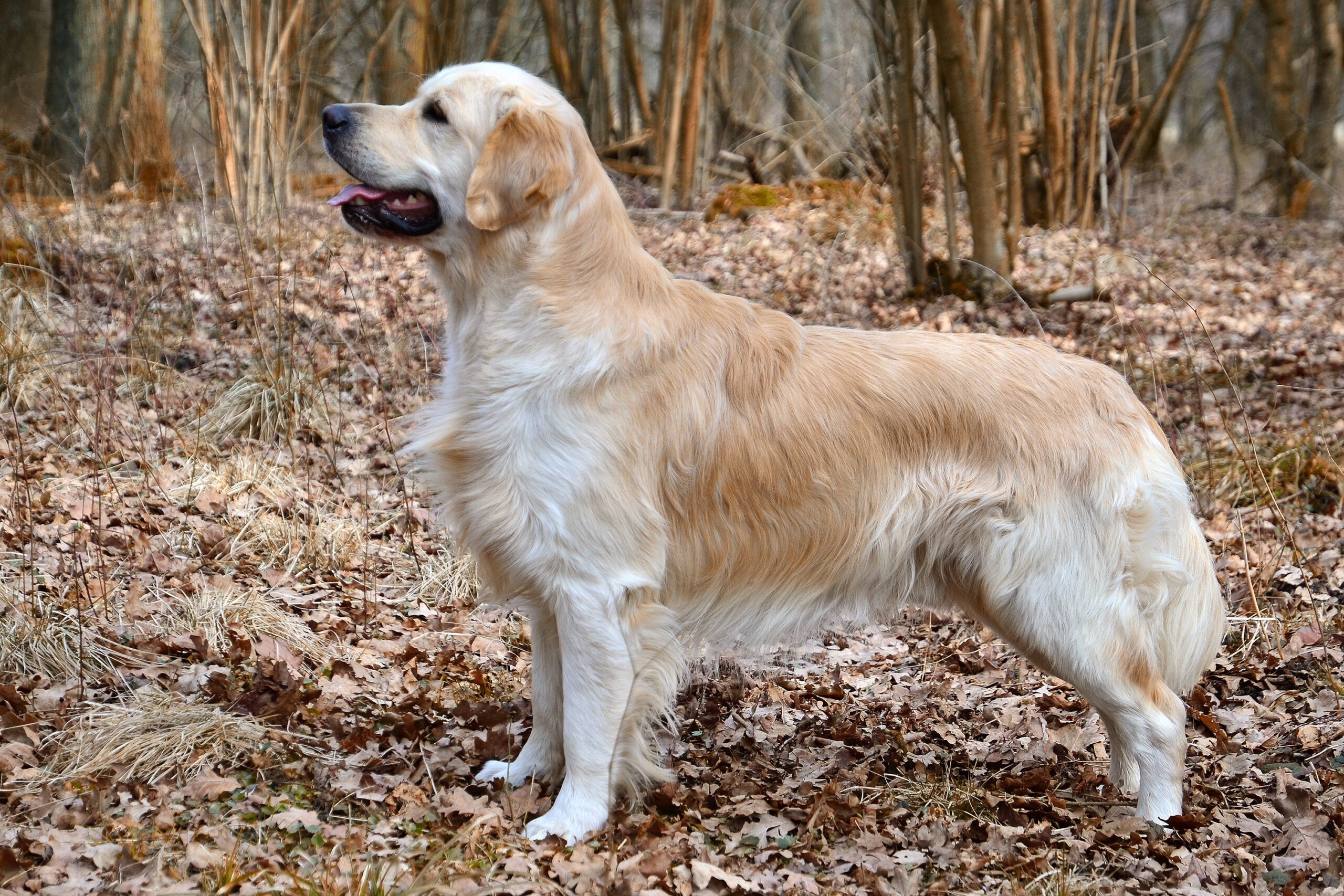
    The Golden Retriever is a sociable, athletic dog developed in Scotland to retrieve game on land and from water. Its cooperative nature explains why the breed is common in family homes, assistance work, search and rescue, obedience, and field sports. That friendly reputation is deserved, but it can hide the commitment involved: Goldens need daily activity, close human contact, regular coat care, and thoughtful health screening.

    Golden Retriever at a glance: medium-large sporting dog; typically 55–75 lb (25–34 kg); approximately 10–12 years; high social and exercise needs; heavy seasonal shedding.

    Is a Golden Retriever right for you?

    A Golden can suit an individual or family that wants an affectionate dog involved in everyday life. Most enjoy learning, carrying objects, swimming, walking, and playing retrieve games. They often greet strangers warmly, which makes them pleasant companions but usually poor guard dogs.

    This breed is a less comfortable match for a household where the dog would routinely spend long days alone. Young Goldens can be exuberant, mouthy, and slow to mature. They may jump, chew, or invent their own entertainment when exercise and training are inconsistent. Their size also means that polite lead walking and calm greetings should be taught before puppy enthusiasm becomes adult strength.

    Size, lifespan, and physical traits

    Trait Typical Golden Retriever
    Adult weight About 55–75 lb (25–34 kg), with individual variation
    Adult height Roughly 21.5–24 in (55–61 cm) at the shoulder
    Expected lifespan Approximately 10–12 years
    Coat Water-repellent double coat with feathering
    Activity level High, especially during adolescence and early adulthood
    Shedding Moderate throughout the year and heavy seasonally

    Golden coats range from pale cream through rich gold. Color alone does not create a separate breed or guarantee a particular temperament or health outcome. Build, coat, and appearance can vary among dogs bred for field work, conformation, or companionship, while all remain Golden Retrievers.

    Temperament and family life

    Well-bred and well-socialized Goldens are typically confident, responsive, and people-oriented. Many live successfully with children and other pets. No breed is automatically safe with every child, however. Adults should supervise interactions, teach children not to disturb a sleeping or eating dog, and give the dog a quiet place to retreat.

    The breed’s enthusiasm can overwhelm toddlers or frail adults. Teaching four paws on the floor, a reliable “leave it,” and calm settling makes family life easier. Socialization should introduce a puppy gradually to different people, surfaces, sounds, handling, friendly vaccinated dogs, vehicles, and veterinary care without forcing frightening encounters.

    How much exercise does a Golden Retriever need?

    Healthy adult Goldens generally need substantial daily activity, but the exact amount depends on age, health, weather, and the individual dog. Brisk walks, safe off-lead running, swimming, scent games, retrieving, and structured training can be combined instead of relying on repetitive ball throwing alone.

    Puppies need shorter, age-appropriate sessions with plenty of rest. Forced distance running and repeated high-impact jumping are poor choices while joints and growth plates are developing. Older dogs may benefit from shorter outings, non-slip flooring, weight control, and veterinary assessment when their mobility changes.

    Mental work matters as much as mileage. Food puzzles, hide-and-seek, scent searches, and brief training sessions use the Golden’s problem-solving ability and desire to work with people. A dog that receives only intense physical exercise can become fitter without learning how to relax.

    Training a Golden Retriever

    Begin reward-based training as soon as the puppy arrives. Focus first on name response, recall, toilet habits, gentle handling, trading objects, resting on a mat, and walking without pulling. Because retrieving and carrying are natural behaviors, teach the puppy to exchange objects for food or another toy instead of chasing it around the house.

    Keep lessons short and clear. Reward the behavior you want, prevent repeated rehearsal of unwanted behavior, and increase difficulty gradually. Harsh corrections can damage trust and are unnecessary for teaching reliable skills. A well-run puppy class can help owners practice around distractions while protecting positive social experiences.

    Feeding and healthy weight

    Feed a complete and balanced diet appropriate for the dog’s life stage. A growing large-breed puppy has different energy and mineral needs from an adult or senior. Measure meals, account for training treats, and use body condition rather than the feeding chart alone to adjust portions.

    You should be able to feel the ribs under a light fat covering and see a waist from above. Excess weight adds stress to joints and can make exercise and heat management harder. Ask a veterinarian to assess body condition and growth instead of choosing supplements or restrictive diets based on online advice. Fresh water should always be available.

    Grooming and shedding

    Brush the coat once or twice each week and more often during seasonal shedding. Work through the feathering behind the ears, under the legs, around the tail, and along the trousers, where tangles form easily. A comb helps find small mats that a surface brush can miss.

    After swimming, rinse away salt, mud, or pool chemicals and dry the ears and coat thoroughly. Check the skin for irritation and the paws for cuts or lodged debris. Trim nails before they click heavily on hard floors, brush the teeth with dog-safe toothpaste, and ask a veterinarian how often the ears should be cleaned. Shaving a healthy double coat is generally unnecessary; targeted trimming and regular brushing preserve its protective function.

    Golden Retriever health and responsible breeding

    Goldens can develop inherited and acquired health problems, including hip and elbow dysplasia, eye disease, certain heart conditions, skin and ear problems, and cancers. Risk is not destiny, and a normal-looking puppy cannot reveal every inherited concern.

    When choosing a breeder, ask for verifiable health results for both parents rather than accepting a statement that they were “vet checked.” The Orthopedic Foundation for Animals explains that breed-specific screening records help puppy buyers research breeding stock. Search the public database and discuss the Golden Retriever Club’s current recommendations with the breeder. Health testing reduces avoidable risk but cannot guarantee that a dog will never become ill.

    For every Golden, schedule routine veterinary examinations and seek prompt care for persistent lameness, collapse, breathing changes, unexplained weight loss, a growing lump, abdominal swelling, repeated ear inflammation, or a marked change in appetite or behavior. This guide supports informed care but cannot diagnose an individual dog.

    Choosing a puppy or rescue Golden

    A responsible breeder should willingly discuss temperament, health testing, how puppies are raised, and what support is available after purchase. Puppies should stay with their litter until an appropriate age, receive early social experiences, and come with clear veterinary and registration records where applicable. Avoid sellers who always have multiple litters available, refuse to show where puppies are raised, or pressure you to pay immediately.

    Breed rescues and general shelters can also match families with Golden Retrievers and Golden mixes. Ask about observed behavior, medical history, resource guarding, separation distress, comfort around children or animals, and the type of home in which the dog has succeeded. An adult rescue may already have household skills, but it still needs a gradual transition and realistic decompression period.

    Common questions

    Are Golden Retrievers good first dogs?

    They can be, because they are usually responsive and social. First-time owners must still be prepared for a large adolescent dog, daily exercise, training, shedding, and veterinary costs.

    Can a Golden Retriever live in an apartment?

    Yes, if the household consistently provides outdoor exercise, toilet breaks, training, enrichment, and quiet rest. A garden does not replace those needs, and apartment size alone does not determine welfare.

    Do Golden Retrievers shed a lot?

    Yes. The double coat sheds year-round and typically releases much more undercoat seasonally. Frequent brushing controls loose hair but will not eliminate shedding.

    Are Golden Retrievers hypoallergenic?

    No dog is completely allergen-free, and Golden Retrievers are not considered a low-shedding breed. People with allergies should spend time around individual dogs and consult an allergy professional before bringing one home.

    How long can a Golden Retriever be left alone?

    There is no safe breed-wide number. Age, toilet needs, health, training, and the individual dog’s comfort matter. Build alone time gradually and arrange help when absence would exceed the dog’s physical or emotional needs.

    For another sociable sporting breed, compare the Labrador Retriever care guide, especially its exercise, weight, and joint-health needs.

    Sources and image credit