Blog

  • Cavalier King Charles Spaniel

    Cavalier King Charles Spaniel

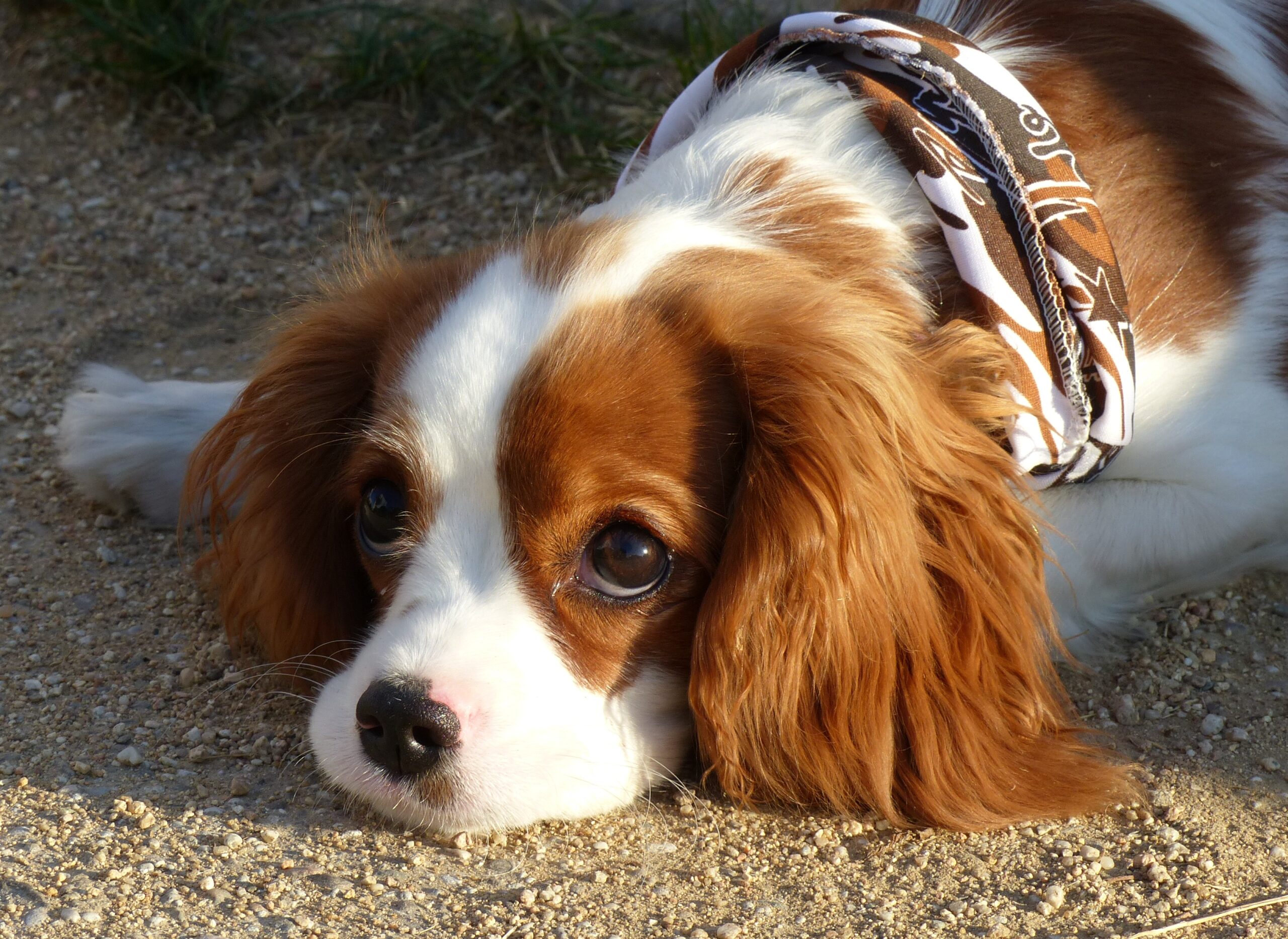
    The Cavalier King Charles Spaniel is a small companion dog with the gentle expression and feathered coat of a toy spaniel. Adults commonly stand 12–13 inches and weigh 13–18 pounds, according to the American Kennel Club. The breed often fits comfortably into a smaller home, but its compact size should not be mistaken for low social or exercise needs. Cavaliers were developed to live close to people, and most thrive when they share ordinary family routines rather than spending long days alone. Readers comparing small spaniels can use the Cocker Spaniel guide to weigh sporting drive, coat care and ear care.

    Temperament and household fit

    A well-socialized Cavalier is typically affectionate, responsive and friendly. Breed tendencies are useful planning guides, not promises about an individual dog. Early experience, health, training and the home environment all shape behavior. Many Cavaliers enjoy respectful children, sociable dogs and calm household activity. Their small frame means that play with young children should be supervised so the dog is not dropped, chased or handled roughly. Introductions to cats and other pets should be gradual, because some individuals retain a spaniel’s interest in chasing movement.

    This breed usually wants frequent human company. A Cavalier that is abruptly left alone for many hours may bark, become distressed or develop destructive habits. Owners can build independence with short, comfortable absences, food puzzles and a predictable resting place. A sitter or dog walker may be needed in homes with long workdays. Apartment living can work well when the dog receives outdoor walks, toilet breaks, mental activity and considerate training around hallway sounds.

    Daily exercise and enrichment

    The Kennel Club lists up to about one hour of exercise per day for a healthy adult. That total can be divided into two walks and shorter play or training sessions. Puppies need briefer, age-appropriate activity, while older dogs and those with heart, joint or neurologic disease need a plan made with their veterinarian. Cavaliers often enjoy sniffing walks, retrieving small toys, beginner scent games and low-impact training. They are companion dogs with sporting ancestry, so a daily chance to explore is better than exercise that consists only of a quick toilet trip.

    Use a secure leash or fenced area. Even a normally attentive dog may follow a bird or squirrel into traffic. Avoid strenuous activity during hot, humid weather, provide water and watch for excessive panting, weakness or reluctance to continue. Indoor puzzle feeders, scatter feeding and short searches for hidden treats can provide useful activity when weather limits walks.

    Training and socialization

    Reward-based training suits the Cavalier’s people-oriented nature. Begin with name response, recall, loose-leash walking, calm handling and settling on a mat. Use small food rewards, toys and praise, and keep lessons brief enough that the dog remains engaged. Harsh corrections can create fear without teaching the desired response. Puppy socialization should introduce different people, surfaces, sounds, friendly vaccinated dogs and gentle grooming at a pace the puppy can handle.

    Toilet training is easier with a schedule: take a puppy outside after waking, eating, play and excitement, reward success immediately and supervise closely indoors. A crate or pen can be a safe resting place when introduced positively, but it should never replace exercise or companionship. Reliable recall takes practice, yet a leash remains the safer choice near roads and wildlife.

    Coat, ears, teeth and nails

    The medium-length silky coat has feathering on the ears, chest, legs and tail. Brush and comb several times a week, reaching through the feathering where tangles form behind the ears, under the legs and around the feet. Work gently from the ends toward the skin rather than pulling through a mat. The official AKC standard emphasizes a natural coat, although companion dogs may receive practical trimming from a skilled groomer. Bathe when dirty using dog-safe products and dry the ears and skin thoroughly.

    Check the hanging ears weekly for odor, redness, discharge or discomfort; a veterinarian should examine suspected infection. Brush the teeth daily with canine toothpaste because small dogs are vulnerable to dental disease. Trim nails before they click heavily on the floor, and ask a veterinary professional or groomer to demonstrate if the quick is difficult to see. Routine handling from puppyhood makes all of this less stressful.

    Feeding and healthy weight

    Feed a complete and balanced diet appropriate for the dog’s life stage. Measure portions rather than filling the bowl by eye, and count training rewards within the daily allowance. The correct amount depends on calorie density, age, activity, neuter status and health, so the package guide is only a starting point. A veterinarian can assess body condition and set a target weight. You should be able to feel the ribs under a light covering and see a waist from above.

    Extra weight burdens the heart and joints. Choose small treats, reserve part of the meal for training and avoid frequent table scraps. Fresh water should always be available. Puppies require an age-appropriate feeding schedule, while a dog with heart, digestive or other medical needs may require a veterinary diet. Never change medication or use supplements as a substitute for diagnosis.

    Health screening and veterinary care

    Cavaliers can be affected by inherited and acquired disease, so responsible breeding and lifelong veterinary care matter. Prospective owners should ask for documented health testing of both parents rather than accepting a general claim that a puppy is “vet checked.” Breed health programs emphasize cardiac assessment, eye examination and evaluations relevant to patellas and hips. The Kennel Club also highlights neurologic concerns including syringomyelia, and the Orthopedic Foundation for Animals lists Cavaliers among breeds eligible for respiratory function grading.

    Arrange regular wellness examinations and seek prompt advice for a new heart murmur, coughing, fainting, reduced stamina, breathing noise, persistent scratching around the neck, unexplained pain, weakness, balance changes or reluctance to jump. Those signs have several possible causes and cannot be diagnosed from a breed label. Keep parasite prevention, vaccination and dental care matched to local veterinary guidance. Pet insurance is easiest to obtain before a chronic problem is documented.

    Choosing and bringing home a Cavalier

    Meet the breeder or rescue openly, see where dogs live and ask how temperament and health are assessed. A responsible breeder discusses limitations as readily as appealing traits, provides verifiable test results and does not release very young puppies. Rescue groups should share known medical and behavior information and help match energy and household needs. Budget for grooming equipment, veterinary screening, dental care, training and possible specialist treatment as well as food and routine supplies.

    Prepare a quiet bed, secure harness, lightweight leash, identification, food and water bowls, safe chew items and barriers for stairs or unsafe rooms. Maintain the dog’s familiar food at first, introduce family members calmly and allow ample sleep. Book a veterinary visit soon after arrival and update microchip details. Consistent routines help the new dog understand where to rest, toilet and find support.

    Safety and welfare

    Use a well-fitted harness for walks and restrain the dog in a crash-tested travel carrier or vehicle harness. Keep human medicines, chocolate, grapes, raisins, xylitol products and other toxins inaccessible. Cavaliers are small enough to slip through gaps, so check fencing and balcony rails carefully. Never leave any dog in a parked vehicle. Teach children to let a resting or eating dog remain undisturbed, and separate pets whenever adults cannot supervise.

    A Cavalier is a long-term companion rather than a decorative accessory. Good welfare includes social contact, choices, rest, gentle training, preventive care and daily opportunities to move and investigate. Owners who can provide those needs may find the breed adaptable and deeply engaging.

    Frequently asked questions

    Are Cavalier King Charles Spaniels good family dogs?

    Many are affectionate family companions, but children must handle them gently and every dog needs supervision, training and gradual introductions.

    How much exercise does a Cavalier need?

    A healthy adult often suits up to about an hour daily, divided into walks and play. Age and medical conditions can change that requirement.

    Do Cavaliers need professional grooming?

    Regular home brushing is essential. Professional grooming can help with bathing, nails and practical coat care, though the breed naturally carries a feathered coat.

    Can a Cavalier live in an apartment?

    Yes, when the dog receives regular outdoor breaks, exercise, enrichment, companionship and training for shared-building sounds.

    What health checks should a Cavalier puppy’s parents have?

    Ask for documented cardiac and eye screening plus breed-relevant orthopedic and neurologic assessment. Discuss current recommendations with a veterinarian and the applicable breed club.

    Sources

  • How Large Predators Shape the African Savanna

    One landscape, several predator strategies

    The African savanna supports a guild of large carnivores rather than a single ruler. Lions hunt alone and cooperatively, leopards rely heavily on concealment, cheetahs use acceleration, African wild dogs pursue prey in coordinated packs, and spotted hyenas combine hunting with scavenging. Their diets overlap, but differences in prey size, habitat, time of activity and hunting method reduce direct competition.

    Calling every large carnivore an apex predator can hide those differences. Lions often dominate encounters, yet dominance at a carcass is not the same as performing every ecological role. Smaller carnivores make decisions around risk, shifting where and when they hunt. The result is a changing network of predation and avoidance.

    Predators influence prey behavior

    Predation removes individual prey, but the possibility of attack also changes behavior. Herbivores choose feeding sites, group sizes, travel routes and times of activity partly in response to risk. Those choices can redistribute grazing and browsing across a landscape.

    Ecologists use the term “landscape of fear” for this spatial pattern of perceived danger. It should not be treated as a guarantee that predators always produce a simple vegetation cascade. Rainfall, fire, soil, livestock and human activity also shape savannas, and prey may respond differently to ambush and pursuit hunters.

    Competition within the carnivore guild

    Large carnivores compete by stealing kills, displacing one another and sometimes killing competitors. Lions can suppress wild dogs and cheetahs locally. Hyenas may steal from other predators, but they are also capable hunters whose own kills are stolen. The familiar label “scavenger” is therefore incomplete.

    Subordinate predators persist through flexibility. Cheetahs often select smaller prey and open ground suited to rapid chases. Leopards can haul carcasses into trees in some habitats. Wild dogs range widely and may adjust activity around competitors. None of these strategies removes risk, but each changes how species share space.

    Carcasses feed a wider community

    A kill becomes a concentrated transfer of nutrients. Vultures, jackals, insects and microbes consume remains that the original hunter leaves behind. Bones and waste return nutrients to soil, while rapid scavenging can reduce how long tissue remains exposed.

    The amount available varies with hunter, prey and disturbance. A carcass defended by lions presents a different opportunity from scattered remains after wild dogs feed. These food webs show why a predator’s influence extends beyond the prey it captures.

    Why connected space matters

    Carnivores need room to find prey, mates and refuge. African wild dogs and cheetahs can range across large areas; lions and leopards also move beyond protected boundaries. Roads, fencing, settlement and conversion of habitat can divide populations and increase encounters with people and livestock.

    The joint CITES–CMS African Carnivores Initiative focuses on lion, leopard, cheetah and African wild dog across their range states. Its landscape approach reflects a biological reality: isolated reserves alone cannot maintain every movement, dispersal route and seasonal resource used by wide-ranging predators.

    Coexistence with people is central

    Predators can impose real costs when they kill livestock or threaten safety. Conservation that ignores those costs shifts the burden onto rural communities. Effective approaches vary by place but can include stronger livestock enclosures, herding practices, early-warning systems, compensation or insurance, and locally shared benefits from wildlife.

    Retaliatory killing is only one threat. Habitat loss, prey depletion, illegal trade, poorly planned infrastructure and disease also affect carnivores. Measures aimed at one species must consider effects on competitors, prey and people rather than treating a predator population in isolation.

    Are lions a keystone species?

    “Keystone” has a specific ecological meaning: a species has an effect disproportionately large relative to its abundance. Lions are also described as flagship and umbrella species because they attract public support and protecting large lion landscapes can conserve many other species and ecosystem services. These labels describe different ideas and should not be used interchangeably.

    Evidence for a predator’s effects depends on the ecosystem and comparison being studied. It is safer to say that large carnivores are influential components of savanna food webs than to claim every predator creates the same textbook cascade everywhere.

    A community worth conserving together

    Savanna carnivores reveal how ecosystems are organized through both cooperation and conflict. Predators affect prey; competitors affect one another; scavengers use their kills; and people determine whether connected populations can persist.

    Protecting this system requires more than maximizing the number of one famous species. It means retaining prey, movement corridors and habitat variety while building workable coexistence with the people who share those landscapes. A functioning predator guild is a sign that many ecological relationships remain intact.

    Related animal guides

    Frequently asked questions

    What is the top predator in the African savanna?

    Lions often dominate other carnivores in direct encounters, but the savanna contains several large predators with different hunting strategies and ecological effects.

    Do hyenas only steal food from lions?

    No. Spotted hyenas are capable hunters and also scavenge. Both lions and hyenas may steal kills from one another depending on group size and circumstances.

    Why do African predators need wildlife corridors?

    Corridors help wide-ranging carnivores reach prey, mates and seasonal habitat while maintaining movement between populations that would otherwise become isolated.

    Sources and further reading

  • Why Old Trees and Nest Cavities Matter for Parrots

    A home that takes decades to form

    Most parrots are secondary cavity nesters. They breed inside holes but generally depend on cavities made by decay, broken limbs, fire, insects or other animals rather than excavating a complete chamber from sound wood. Exceptions exist, including species that burrow in cliffs or use termite mounds, but an existing hollow is the essential nursery for many parrots.

    A suitable cavity is more than a visible opening. The entrance must admit the adults while limiting some competitors and predators; the chamber needs enough depth and floor space; and the surrounding tree must remain structurally secure through the breeding period. Large old trees often supply features that younger trees have not yet developed.

    Why not every hollow is a nest

    Parrots inspect cavities and may be selective about entrance size, internal diameter, depth, height and surrounding habitat. A hole can be too shallow, wet, exposed, narrow or accessible to predators. Bees, mammals and other birds may occupy apparently suitable sites. This means counting openings from the ground can exaggerate the number of usable nests.

    A global review of parrot resource use found recurring use of cavities high in large trees with substantial internal chambers, while also noting major gaps in knowledge. Requirements differ among species, landscapes and climates, so there is no universal parrot nest-box dimension or single recipe for a good nest.

    Logging removes more than timber

    When large hollow-bearing trees are cut, the immediate loss is obvious. The delayed loss is just as important: removing middle-aged trees can interrupt the future supply of old trees. A forest may remain green while losing the age structure needed to replace nesting hollows over coming decades.

    Research on Cape parrots in South African mistbelt forest illustrates the problem. These secondary cavity nesters rely on suitable trees in a landscape where selective harvesting can affect future nest availability. Similar concerns apply in managed woodland wherever rotations end before trees develop large decayed sections.

    Cavities can limit breeding

    Food and adult survival are not the only limits on a parrot population. If each pair needs a secure chamber, a shortage can cap the number of pairs able to attempt breeding. Experiments with cavity-nesting bird communities show that supplying nest boxes can increase breeding density in some logged forests, evidence that holes were a limiting resource there.

    The effect is not universal. Some landscapes contain many cavities, and some parrots reject artificial structures. Researchers therefore distinguish between cavity abundance and the availability of cavities that a particular species will accept and can use successfully.

    Competition, predators and microclimate

    A cavity changes the risks faced by eggs and chicks. Depth and entrance geometry can reduce access for some predators, while a damaged or open chamber may increase it. Internal temperature and moisture also matter because nestlings cannot simply leave during heat, rain or cold.

    Competition adds another layer. Parrots may compete with their own species, other birds, mammals or social insects. A site used successfully in one season can become unavailable the next. Protecting a range of old trees and dead wood provides more options than managing a forest around a few known nests.

    When artificial nests help

    Conservation teams use nest boxes or constructed cavities for species such as Puerto Rican parrots and scarlet macaws. Artificial nests can replace an immediate shortage, make nests easier to monitor and allow managers to modify unsafe chambers. Their value depends on placement, design, maintenance and evidence that the birds accept them.

    Boxes are a tool, not a substitute for habitat. They decay, overheat, attract competitors and require continuing labor. Conserving natural nest trees, recruiting future hollow-bearing trees and protecting feeding habitat address the system that sustains parrots beyond a single breeding season.

    What effective protection looks like

    Useful management begins by mapping active and potential nest trees, retaining buffers around them and protecting trees of several ages. Forestry plans can preserve large living trees, damaged veterans and safe standing dead wood where local conditions allow. Monitoring should track nest success rather than treating a box installation as the final outcome.

    For the public, the practical lesson is simple: an old, imperfect tree may be valuable habitat. Tree safety still requires qualified local assessment, especially near buildings, but ecological value should be part of that decision. In parrot landscapes, protecting the next generation of cavity trees is conservation measured in decades.

    Related animal guides

    Frequently asked questions

    Do all parrots nest in tree cavities?

    Most parrots use cavities, but not all use tree hollows. Some species burrow in cliffs, use termite mounds or build other types of nests.

    Can a nest box replace an old tree?

    A well-designed box can provide a breeding chamber for some species, but it does not replace the food, shelter, microclimate and future cavity supply provided by a diverse forest.

    Why do parrots need large old trees?

    Large old trees are more likely to contain chambers with suitable depth and internal space. They can also take decades to replace, making their retention important even where younger forest remains.

    Sources and further reading

  • What Alex the African Grey Parrot Taught Us About Animal Cognition

    Why Alex became scientifically important

    Alex was an African grey parrot studied by comparative psychologist Irene Pepperberg from 1977 until his death in 2007. His importance did not come from having a large collection of entertaining phrases. The research asked whether a parrot could use vocal labels consistently under controlled conditions, including when objects, questions and arrangements changed.

    That distinction matters. Mimicry is the ability to reproduce a sound. A correct response in a cognition experiment must depend on what the subject sees or is asked, and it must remain reliable across trials designed to rule out simple routines. Alex worked with familiar objects that varied in color, shape and material, allowing researchers to change the question while keeping some features constant.

    The model/rival method

    Pepperberg used a social training system called the model/rival technique. Two people interacted while Alex watched. One person modeled the response and also acted as a rival for the trainer’s attention; roles were exchanged so the exchange did not become a one-way cueing routine. Correct labels were rewarded with the object itself rather than an unrelated food treat whenever possible.

    The method treated speech as social and referential. A word such as “green” was connected with a property shared by different objects, not merely with one training item. Later reviews stress that the full combination of modeling, role reversal, attention and reference mattered; casual repetition should not be confused with the experimental procedure.

    Same, different and none

    One set of studies asked Alex what was the same or different about pairs of objects. Depending on the pair, the correct answer could be color, shape or material. When two items had no relevant similarity or difference, he learned to answer “none.” Tests included unfamiliar combinations so success could not be explained by memorizing each pair.

    In a published absence study, accuracy remained above chance on familiar and novel object combinations. The careful conclusion is that Alex learned functional category labels and could report the presence or absence of a relevant feature. It does not mean his mental experience was identical to a human speaker’s.

    Questions with several parts

    Alex was also tested on questions that required combining information. He might see a tray containing objects with overlapping properties and be asked for the color of the object uniquely identified by its shape and material. Solving the task required attending to the requested attributes and selecting the matching item before naming its color.

    A 1992 study reported 76.5 percent accuracy on this conjunctive task. Errors and limits are part of the result: the work showed proficient performance under those test conditions, not perfect language or an unlimited ability to reason.

    Numbers, labels and vocal learning

    Across the research program, Alex used labels for objects, colors, shapes, materials and quantities. Number work investigated whether he could identify small exact quantities and respond to questions about sets. As with the category experiments, trials were designed to vary the display rather than invite a fixed sequence.

    African grey parrots are vocal learners, so their ability to produce human speech sounds made spoken answers practical. Vocal learning alone does not explain why an answer changed appropriately with the question and display. At the same time, speech-like output should not tempt readers to assume grammar or conversation beyond what a given experiment tested.

    What later parrot research added

    Alex was one individual, which limits claims about every African grey parrot. Later studies broadened the picture. Experiments with several grey parrots found evidence that the birds could use sound and the absence of sound to locate hidden food in a particular shaking task. Other work has tested memory for actions, cooperation, probabilities and visual manipulation in parrots.

    Results vary by species, task design and experience. That is scientifically useful. Cognition is a collection of abilities shaped by ecology and learning, rather than a single ladder with humans at the top and every other species arranged below.

    The responsible takeaway

    Alex’s work challenged the assumption that a small avian brain could support only imitation. It provided repeatable evidence that one trained parrot could connect some vocal labels with categories, answer structured questions and transfer learning to new combinations.

    The findings do not make parrots miniature people, and they do not make every pet parrot an Alex. They do show why African greys need complex social and cognitive lives. Anyone considering one as a companion should focus on lifelong welfare, appropriate enrichment and expert avian care—not on acquiring a bird expected to perform.

    Related animal guides

    Frequently asked questions

    Could Alex the parrot really understand words?

    Controlled studies showed that Alex used some vocal labels according to object properties, categories and questions, including on novel combinations. That supports functional understanding within the tested tasks, but it is not evidence that his language matched human language in every respect.

    Was Alex simply mimicking his trainers?

    The experiments varied objects and questions and included controls intended to prevent a memorized phrase from producing the correct answer. Mimicry enabled vocal responses, but does not by itself explain accurate transfer to new combinations.

    Are all African grey parrots as capable as Alex?

    Alex was intensively trained and studied as an individual. Other grey parrots have succeeded in several cognition tasks, but individuals differ and the results should not be generalized into identical abilities for every bird.

    Sources and further reading

  • Russian Blue

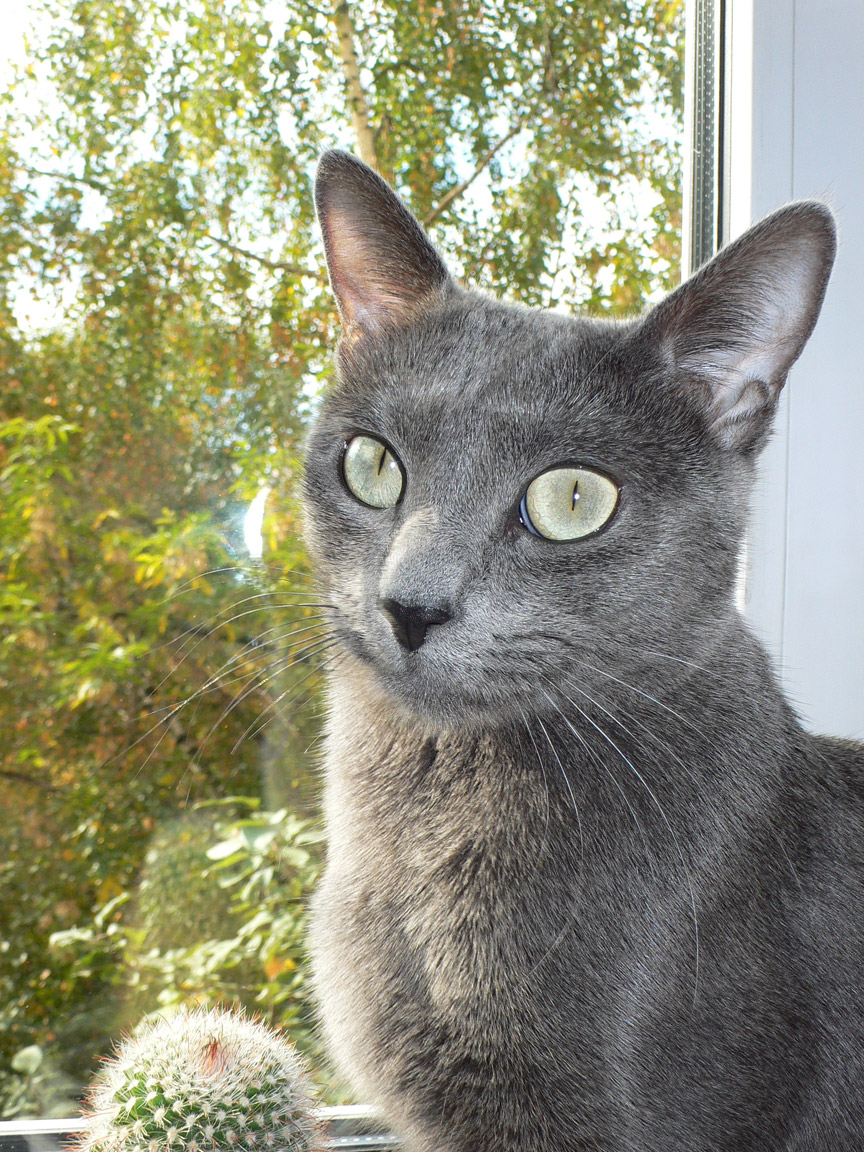
    Russian Blue

    The Russian Blue is a pedigreed shorthair cat with a dense silver-tipped blue coat, vivid green eyes in mature cats, and a graceful medium-sized build. Many are playful and closely attached to familiar people while remaining cautious with visitors. Good care centers on predictable routines, daily enrichment, weight control, preventive medicine, and a safe indoor environment.

    Russian Blue at a glance: medium-sized, often about 5–10 lb; short plush double coat; moderate activity with athletic bursts; life expectancy commonly 10–20 years; usually quiet and observant; appetite and weight need monitoring.

    Is a Russian Blue right for you?

    A Russian Blue can suit someone who wants an intelligent, interactive cat but appreciates a companion that also seeks private resting places. Many enjoy household routines and may watch a new person from a distance before approaching. Reserved behavior should be respected rather than forced; trust grows through quiet choices, play, and positive handling.

    The breed does not need a huge home, but it does need vertical territory, scratching surfaces, hiding places, and daily shared activity. A quiet reputation does not mean the cat should be left without enrichment. Food puzzles, climbing routes, window views, and short play sessions help prevent boredom and excess weight.

    Size, lifespan, coat, and appearance

    Trait Typical Russian Blue
    Size Medium-sized; males often up to about 10 lb and females commonly about 5–8 lb
    Life expectancy Often 10–20 years, with individual variation
    Coat Short, fine, dense double coat that stands away from the body
    Color Even blue-gray with silver-tipped guard hairs
    Build Fine-boned, long, firm, and muscular with large ears and a wedge-shaped head

    Kittens may have less intense eye color that develops toward green with maturity. Coat color alone does not prove breed ancestry: many mixed-breed cats are solid gray. A true Russian Blue is identified through a documented pedigree and breed standard rather than appearance or a seller’s claim.

    Temperament and family compatibility

    Russian Blues are often observant, playful, and affectionate with people they know. Some follow family members from room to room, retrieve toys, or learn how doors and containers work. Others prefer interaction on their own terms. Breed tendencies never guarantee an individual cat’s behavior.

    They can live successfully with considerate children who understand quiet handling and allow the cat to leave. Adults should supervise, teach children not to chase or carry unwilling cats, and provide high resting places that remain off limits to children and dogs.

    Introduce other cats or calm dogs gradually through scent exchange, separate rooms, barriers, and short supervised meetings. Each animal needs its own food, water, litter, beds, and escape routes. Do not force face-to-face contact or assume that a playful kitten will welcome every pet.

    Play, enrichment, and an indoor home

    Offer several interactive play sessions each day using wand toys, tossed soft toys, and games that imitate stalking and capture. End with a small reward or meal when appropriate. Rotate toys to maintain interest and put string, elastic, feathers, and small swallowable pieces away after use.

    Russian Blues are capable climbers and jumpers. A sturdy cat tree, shelves, window perch, cardboard boxes, and multiple scratching surfaces expand usable space. Puzzle feeders and simple training can exercise the mind. Teach targeting, carrier entry, scale use, and nail-care positions with tiny rewards.

    Indoor living protects cats from vehicles, predators, toxins, infectious exposure, and fights. A secure catio or harness training can provide controlled outdoor access. Check screens and balconies carefully; ordinary insect screens do not safely contain a determined cat.

    Feeding, hydration, and weight control

    Feed a complete and balanced diet appropriate for life stage and health. Measure food rather than repeatedly topping up the bowl, include treats in the daily total, and use body condition instead of package estimates alone. Russian Blues are sometimes described as enthusiastic eaters, so automatic portioning and puzzle feeders may help.

    A healthy cat should have ribs that are easy to feel beneath a light covering and a visible waist from above. Excess weight increases risk for diabetes, arthritis, urinary problems, and reduced quality of life. Ask a veterinarian to set a calorie target and monitor change gradually; sudden calorie restriction can be dangerous for cats.

    Provide fresh water in several quiet locations, separated from litter. Some cats prefer wide bowls or circulating fountains. A sudden increase or decrease in thirst, appetite, or urination needs veterinary assessment. Complete refusal of food, especially with lethargy or vomiting, should be addressed promptly.

    Coat, nails, ears, and dental care

    The dense short coat usually needs gentle combing once or twice a week, with more attention during seasonal shedding. Brushing removes loose hair and creates an opportunity to check the skin and body. Frequent bathing is unnecessary unless recommended for a specific problem.

    Trim nail tips before they become sharp or catch on fabric, and provide stable vertical and horizontal scratchers. Inspect ears for redness, odor, discharge, or repeated scratching. Clean only when needed with a veterinarian-approved method; cotton swabs can push debris deeper or injure the ear.

    Brush teeth daily with cat-safe toothpaste when possible. Dental disease is common across cats even when breath seems normal. Drooling, pawing at the mouth, red gums, reduced appetite, dropping food, or choosing soft food can indicate pain and should prompt an examination.

    Litter boxes, routine, and time alone

    Provide one litter box per cat plus one extra, distributed in quiet accessible places rather than lined together. Use boxes large enough for turning and digging, scoop at least daily, and avoid abrupt litter changes. A covered box may trap odor or make a cautious cat feel cornered.

    Urination or defecation outside the box is a medical or environmental signal, not spite. Arrange a veterinary evaluation, then review box cleanliness, location, litter preference, conflict, mobility, and household change. Straining, frequent trips with little urine, crying, or inability to pass urine is an emergency, especially in males.

    Many Russian Blues tolerate a normal workday when their environment is prepared, but kittens and highly social individuals need more contact. Maintain predictable feeding and play, offer safe solo enrichment, and arrange care for longer absences. A pet camera can reveal distress or inactivity that is otherwise missed.

    Health care and screening

    Russian Blues are generally described as a healthy natural breed without one universally recognized breed-specific screening panel. That does not make an individual immune to common feline disease. A breeder should share family health history, veterinary records, infectious-disease testing, and any screening relevant to the line.

    Preventive care should follow age and lifestyle. Discuss examinations, vaccination, parasite control, dental care, microchipping, blood pressure, and senior laboratory monitoring with a veterinarian. Weight, muscle condition, mobility, coat, appetite, water intake, litter habits, and behavior can reveal early change.

    Seek urgent care for open-mouth breathing, collapse, seizures, major trauma, suspected poisoning, repeated vomiting, a painful swollen abdomen, or inability to urinate. Cats hide illness, so smaller changes such as reduced jumping, hiding, poor grooming, or altered sleep deserve attention when persistent.

    Reproduction, neutering, and welfare

    Breeding should be limited to mature pedigree cats with stable behavior, veterinary evaluation, compatible pedigrees, and health information from close relatives. Breeders need plans for pregnancy and birth emergencies, neonatal care, early social development, careful placements, and lifetime return support.

    Discuss spaying or neutering timing with a veterinarian. Prevent accidental mating by keeping intact cats securely indoors and separated when necessary. Identification, microchip registration, and local licensing or breeding rules remain the owner’s responsibility.

    Choosing a kitten or rescue Russian Blue

    A responsible breeder should provide pedigree and registration information, allow time for questions, describe the parents’ health and temperament, raise kittens in a clean enriched home environment, and use a contract with a return policy. Avoid sellers who label any gray kitten a Russian Blue, promise “hypoallergenic” status, or push immediate payment and shipping.

    Adult Russian Blues sometimes become available through breeders or rescue groups, while shelters have many appealing gray domestic shorthairs. Ask about handling, children, pets, litter habits, food, veterinary history, and adjustment to change. Choose the individual cat that fits the household rather than relying on color alone.

    Common questions

    Are Russian Blue cats good family pets?

    Many form close family bonds, but introductions should be calm and children must respect the cat’s choice to retreat or rest.

    Are Russian Blue cats hypoallergenic?

    No cat is reliably allergen-free. Allergens come mainly from saliva and skin secretions, so individual reactions must be assessed directly.

    How much grooming does a Russian Blue need?

    The short dense coat usually benefits from gentle brushing once or twice weekly, plus routine nail, ear, and dental care.

    Can a Russian Blue live in an apartment?

    Yes, when the home includes climbing space, scratching surfaces, hiding places, daily interactive play, and secure windows or balconies.

    How can I tell if a gray cat is a Russian Blue?

    Color alone cannot confirm the breed. Reliable identification requires pedigree records from a recognized registry and conformity with the standard.

    Readers considering quieter shorthair companions can compare the body type, routine, and grooming needs of the British Shorthair.

    Sources and image credit

  • Boxer

    Boxer

    The Boxer is an athletic, people-focused German working breed known for expressive faces, playful energy, and a close bond with family. A well-matched Boxer needs daily exercise, varied reward-based training, indoor companionship, careful heat management, and health screening that reflects the breed’s cardiac and cancer risks. People considering a still larger companion should compare the space, handling and bloat precautions in the Great Dane guide. Readers comparing athletic working companions can also review the Doberman Pinscher guide for exercise, training and health-screening needs.

    Boxer at a glance: females about 21.5–23.5 inches and often near 50–65 lb; males about 23–25 inches and 65–80 lb; short coat; high activity; life expectancy commonly 10–12 years; heat and cardiac awareness required.

    Is a Boxer right for you?

    A Boxer can thrive with an active household that wants an involved companion and can provide training, exercise, supervision, and regular veterinary care. Many remain exuberant well into adulthood. Their jumping, pawing, and full-body play can overwhelm people who expect a naturally calm dog, so manners must be taught early and reinforced consistently.

    Boxers generally want to live with their people. Long hours alone without exercise or enrichment can lead to distress, barking, chewing, and frantic greetings. Their short muzzle and coat also make them poorly suited to outdoor housing: they can overheat in warm weather and become cold in low temperatures.

    Size, lifespan, coat, and appearance

    Trait Typical Boxer
    Height Females about 21.5–23.5 inches; males about 23–25 inches at the shoulder
    Weight Males commonly 65–80 lb; females are often about 15 lb lighter
    Life expectancy Commonly 10–12 years, with individual variation
    Coat Short, smooth, close-lying coat in fawn or brindle, often with white markings
    Build Square, muscular, medium-large working dog with a broad muzzle

    A Boxer should look powerful without being coarse or overweight and should move freely. The natural ears fold forward; cosmetic ear cropping and tail docking remain restricted or prohibited in many places and provide no pet-care benefit. White Boxers are not albino, though predominantly white individuals have an increased risk of congenital deafness.

    Temperament and family compatibility

    Many Boxers are affectionate, alert, playful, and confident. They may be reserved until introduced to strangers and can become useful watchdogs, but fearfulness or uncontrolled aggression should never be treated as desirable protection. Early, positive exposure to people, surfaces, handling, sounds, and suitable dogs helps develop stable behavior.

    Boxers can be devoted family companions, yet their size and bouncing play require supervision around children, older adults, and anyone unsteady on their feet. Teach four paws on the floor, settling on a mat, and calm greetings. Children should never climb on, hug tightly, disturb food, or follow a dog into its quiet retreat.

    Compatibility with other dogs varies. Use gradual introductions and separate high-value resources. Cats and small pets require careful management because chase behavior can occur. A successful history with one animal does not guarantee safety with every unfamiliar pet.

    Exercise, enrichment, and heat safety

    Healthy adults usually need vigorous activity every day, divided into manageable sessions. Brisk walks, hiking in cool weather, retrieve, scent games, agility foundations, and obedience practice can work well. Puppies need shorter self-paced play and should avoid repetitive forced running or high jumping while joints are developing.

    Give the brain a job through food puzzles, nose work, trick training, controlled tug, and problem-solving games. Exercise alone will not teach calm behavior; deliberately reward resting, waiting at doors, and disengaging from excitement. A securely fenced area is useful, but yard access does not replace shared activity.

    The short muzzle can reduce cooling efficiency. Avoid hard exercise in heat or humidity, choose cooler hours, carry water, and stop for heavy or noisy breathing, slowing, weakness, disorientation, vomiting, or collapse. Never leave a Boxer in a parked vehicle. Seek urgent veterinary help for suspected heat illness.

    Training, social development, and time alone

    Boxers learn quickly when sessions are brief, varied, and rewarding. Repetition without purpose can lose their attention. Teach recall, loose-leash walking, drop, leave-it, cooperative handling, visitor routines, and an emergency stop. Harsh corrections can create fear or conflict and do not show the dog what behavior will earn reinforcement.

    Adolescence often brings renewed jumping, pulling, and impulsive play. Continue structured practice beyond puppy class and prevent rehearsal of unwanted behavior with gates, leashes, and prepared enrichment. A qualified reward-based trainer can help before problems become established.

    Build alone time gradually from short calm absences. Destruction at exits, persistent vocalization, drooling, toileting only when alone, or escape injuries may signal separation-related distress. Ask a veterinarian and behavior professional for help rather than relying on punishment or prolonged panic.

    Feeding and healthy weight

    Feed a complete and balanced diet appropriate for age, health, activity, and body condition. Measure portions, count treats, and adjust intake with veterinary guidance. Ribs should be easy to feel beneath a light covering and a waist should be visible from above. Extra weight adds joint strain and makes cooling harder.

    Divide food into measured meals and avoid intense exercise immediately around a large meal. Deep-chested breeds can develop gastric dilatation-volvulus, a life-threatening stomach expansion and twist. A swollen painful abdomen, repeated unproductive retching, restlessness, weakness, or collapse requires immediate emergency care.

    Fresh water must always be available. Secure chocolate, xylitol, grapes, raisins, medicines, compost, and rubbish. Discuss any supplements with a veterinarian because unnecessary products can unbalance the diet or interact with treatment.

    Coat, skin, nails, and dental care

    The short coat usually needs weekly brushing and occasional bathing. Check the skin for lumps, redness, hair loss, or persistent itching while grooming. Clean facial folds gently and keep them dry, without applying harsh products. Sun protection and shade may be appropriate for lightly pigmented skin under veterinary guidance.

    Inspect ears for odor, discharge, redness, or repeated shaking. Trim nails before they alter gait and examine paws after rough surfaces. Brush teeth daily with dog toothpaste when possible and arrange professional dental assessment as advised. Bad breath, bleeding gums, loose teeth, or facial swelling can indicate painful disease.

    Health screening and veterinary care

    Responsible Boxer breeding programs use cardiac evaluations, hip and elbow assessment, thyroid testing, and breed-relevant DNA tests according to current parent-club recommendations. Important concerns include aortic or subaortic stenosis, arrhythmogenic right ventricular cardiomyopathy, hip disease, degenerative myelopathy, thyroid disease, and several cancers. Screening lowers risk but cannot guarantee health.

    Ask how cardiac screening was performed and at what age; a simple puppy examination is not equivalent to recommended adult testing. Fainting, exercise intolerance, unusual weakness, persistent cough, rapid breathing at rest, or an irregular heartbeat warrants prompt veterinary assessment.

    Check the body regularly for new or changing lumps and have them examined rather than guessing by appearance. Seek emergency care for collapse, breathing difficulty, heat illness, repeated retching, seizures, severe injury, or pale or blue gums. Routine examinations, vaccination based on exposure, parasite prevention, and dental care remain essential.

    Reproduction, neutering, and responsible ownership

    Breeding requires mature dogs with stable behavior, verified breed-specific health results, functional breathing, sound structure, and pedigrees reviewed for inherited disease. Breeders must plan for pregnancy and birth emergencies, puppy social development, careful placements, and lifetime return support.

    Discuss spaying or neutering timing with a veterinarian using the individual dog’s health, size, behavior, and pregnancy-prevention needs. Until then, securely separate intact males and females whenever mating is possible. Follow local licensing, leash, identification, housing, and breeding rules.

    Choosing a puppy or rescue Boxer

    A responsible breeder should provide verifiable health results, explain cardiac monitoring and family longevity, discuss temperament openly, and use a contract with return support. Avoid sellers advertising rare colors, extreme size, guaranteed protection, or immediate shipping without assessing the home.

    Boxers and Boxer mixes are also available through shelters and rescues. Ask about exercise, dog and cat history, visitor behavior, time alone, handling, skin, lumps, cardiac findings, and current medications. An adult dog’s established energy and temperament may make matching easier.

    Common questions

    Are Boxers good family dogs?

    Many are affectionate family companions, but their energetic jumping and strength require training and close supervision around children or unsteady adults.

    How much exercise does a Boxer need?

    Healthy adults usually need substantial daily activity and mental work, adjusted for age, conditioning, medical status, temperature, and humidity.

    Do Boxers tolerate hot weather?

    They can overheat quickly because of their short muzzle, so exercise should be reduced and shifted to cooler times with water, shade, and indoor cooling.

    Do Boxers shed?

    Yes. Their short coat sheds throughout the year, though weekly brushing usually controls loose hair and supports skin checks.

    What health tests should Boxer breeders perform?

    Current parent-club guidance includes cardiac evaluation plus hip, elbow, thyroid, and relevant DNA testing; buyers should verify actual results.

    The smaller French Bulldog shares important heat and airway-management concerns but has different exercise and handling needs.

    Sources and image credit

  • Siberian Husky

    Siberian Husky

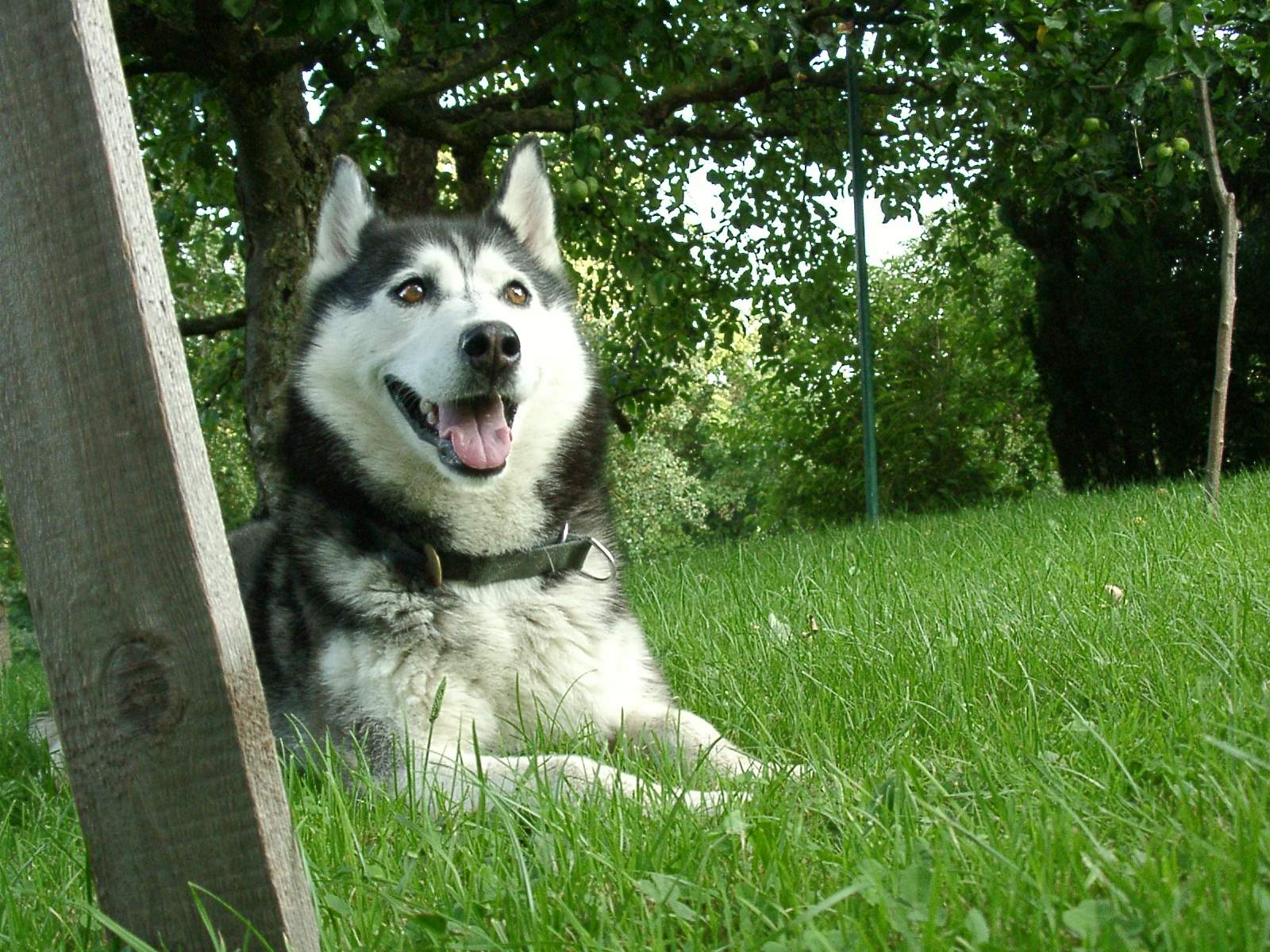
    The Siberian Husky is a medium-sized northern working dog developed to pull light loads over long distances. Its athletic build, thick double coat, social nature, and strong desire to run can be rewarding in an active home, but secure containment, daily exercise, patient training, and heavy-shedding coat care are essential.

    Siberian Husky at a glance: about 20–23.5 inches tall and 35–60 lb; high activity; dense double coat; life expectancy commonly 12–14 years; strong running and chase instincts; substantial seasonal shedding.

    Is a Siberian Husky right for you?

    A Siberian Husky can suit an active household that enjoys structured outdoor activity and can provide secure fencing, companionship, and mental work every day. These dogs were selected to cooperate in teams, so many are social with people and other dogs. Individual temperament still varies, and friendliness does not remove the need for early social development or polite greeting skills.

    The breed is a demanding match for people who expect reliable off-leash freedom, a quiet household, or a low-maintenance coat. Huskies may dig, climb, squeeze through gaps, open weak latches, chase wildlife, or run far if given the opportunity. They can also howl and become destructive when under-exercised or left alone too long.

    Size, lifespan, coat, and appearance

    Trait Typical Siberian Husky
    Height Females about 20–22 inches; males about 21–23.5 inches at the shoulder
    Weight Females about 35–50 lb; males about 45–60 lb
    Life expectancy Commonly 12–14 years, with individual variation
    Coat Medium-length double coat with a dense insulating undercoat
    Build Balanced, compact working dog with erect ears and an efficient gait

    Coats occur in multiple colors and markings. Eyes may be brown or blue, one of each, or partly colored. Eye color and coat pattern do not predict personality. A healthy Siberian should move freely, breathe comfortably, and remain lean enough for the ribs to be felt beneath a light covering.

    Temperament and family compatibility

    Many Siberian Huskies are outgoing, curious, playful, and affectionate without being constant lap dogs. Their history as pack-working dogs often makes them sociable, but it does not guarantee harmony with every dog. Calm introductions, separate feeding, and supervision around valued items help prevent conflict.

    They may live successfully with considerate children when adults supervise all interaction. Teach children not to climb on, hug tightly, chase, or disturb a sleeping or eating dog. Give the dog a quiet retreat. High energy can lead to accidental knocks, especially around toddlers.

    Strong prey drive is common. Cats and small pets require careful assessment, protected housing, and controlled introductions; some Huskies are never safe with small animals. Do not treat a friendly history with one household cat as proof that the dog will ignore unfamiliar cats, rabbits, or wildlife.

    Exercise, enrichment, and weather safety

    Healthy adults need substantial daily activity. Brisk walks, hiking, canicross, carefully taught pulling sports, scent games, and reward-based training can share the workload. Exercise needs vary, but a brief yard visit rarely meets them. Puppies should have shorter, self-paced sessions and should not be forced into repetitive distance running while growing.

    Mental work matters as much as mileage. Rotate food puzzles, tracking games, safe chew items, digging areas, and short skill sessions. A securely fenced yard can help, but inspect the base, gates, and nearby objects that could become climbing aids. Outdoor time should be supervised.

    The double coat insulates in cold conditions but does not make a Husky immune to heat illness. In warm or humid weather, exercise during cooler hours, choose shade, offer water, and stop for excessive panting, weakness, disorientation, vomiting, or collapse. Never leave any dog in a parked vehicle.

    Training, recall, and time alone

    Use short, varied sessions with food, toys, movement, and access to safe activities as rewards. Teach name response, loose-leash walking, settling, leave-it, cooperative handling, and emergency recall. Consistency and preventing rehearsal of unwanted behavior work better than intimidation or physical punishment.

    Even a well-trained Siberian may choose running or wildlife over recall. Use a leash or long line in open areas and reserve off-leash exercise for secure enclosed spaces. Check harness fit carefully because flexible dogs can back out of loose equipment. Identification tags and an up-to-date microchip provide an additional safeguard.

    Build alone time gradually while the dog remains relaxed. Howling, escape attempts, destruction near exits, drooling, or self-injury can indicate separation-related distress. A veterinarian and qualified behavior professional can help; simply waiting for panic to stop may make the problem worse.

    Feeding and healthy weight

    Feed a complete and balanced diet appropriate for life stage, body condition, health, and workload. Measure meals and count training treats in the daily total. Sled sport or endurance work can change energy needs dramatically, so working dogs need an individualized feeding plan rather than casually enlarged portions.

    Ribs should be easy to feel and a waist visible from above. Extra weight increases joint strain and heat burden. Ask a veterinarian to set calorie targets for puppies, neutered adults, seniors, or dogs starting a conditioning program. Fresh water must always be available.

    Secure chocolate, xylitol, grapes, raisins, medicines, compost, and rubbish. Sudden abdominal swelling, repeated unproductive retching, weakness, collapse, suspected poisoning, or inability to keep water down requires urgent veterinary advice.

    Coat, nails, ears, and dental care

    Brush through the coat at least weekly and more often when the undercoat sheds heavily, often called “blowing coat.” A pin brush, slicker, and suitable comb can remove loose hair without damaging the skin. Never shave the coat merely to reduce shedding; clipping can disrupt coat function and does not prevent heat illness.

    Bathing is needed when dirty, followed by thorough rinsing and drying. Mats, persistent odor, sores, redness, or hair loss deserve attention. Check ears for discharge or odor, trim nails before they alter gait, and inspect paw pads after rough ground, snow, ice, or salted surfaces.

    Brush teeth daily with dog toothpaste when possible and arrange professional dental assessment as advised. Bad breath, bleeding gums, loose teeth, facial swelling, or reluctance to eat can signal painful disease.

    Health screening and veterinary care

    Responsible Siberian Husky breeding programs document hip and current eye examinations and follow breed-club guidance for relevant inherited conditions. The Siberian Husky Club of America also recommends genetic testing for Siberian Husky Shaking Puppy Syndrome Type 1 in breeding dogs. Screening reduces risk but cannot guarantee lifelong health.

    Eye conditions, hip dysplasia, skin problems, and endocrine disease can occur. Squinting, redness, cloudiness, sudden vision change, persistent lameness, unusual thirst, coat loss, or unexplained weight change should prompt veterinary assessment. Blue eyes are normal in the breed and are not by themselves evidence of poor vision.

    Routine examinations, vaccination based on exposure, parasite prevention, dental care, and prompt treatment of injuries remain essential. Seek emergency care for breathing difficulty, heat illness, seizures, collapse, severe trauma, or a rapidly painful eye.

    Reproduction, neutering, and responsible ownership

    Breeding requires mature dogs with stable behavior, verified breed-relevant health results, sound structure, and pedigrees reviewed for inherited risk. Breeders must be prepared for pregnancy and birth emergencies, puppy social development, careful placements, and lifelong return support. Popular color, blue eyes, or novelty marketing is never a substitute for health and welfare.

    Discuss the timing of spaying or neutering with a veterinarian using the individual dog’s health, behavior, and pregnancy-prevention needs. Until then, securely separate intact males and females whenever mating is possible. Follow local licensing, leash, housing, and breeding laws.

    Choosing a puppy or rescue Siberian Husky

    A responsible breeder should show verifiable health results, explain adult activity and containment needs, discuss the temperaments of close relatives, and use a contract with lifetime return support. Avoid sellers promising rare “wolf” traits, guaranteed blue eyes, unusual size, or instant shipping without questions about the home.

    Siberian Huskies commonly enter shelters and breed rescues when owners underestimate exercise, shedding, vocal behavior, or escape risk. Ask about prey drive, fence behavior, other dogs, house habits, grooming tolerance, time alone, and medical history. An adult dog’s established traits may make matching easier.

    Common questions

    Are Siberian Huskies good family dogs?

    Many are social family companions, but they need daily activity, secure containment, training, and supervised interaction with children.

    How much exercise does a Siberian Husky need?

    Healthy adults generally need substantial daily physical and mental activity, adjusted for age, health, conditioning, and weather.

    Can Siberian Huskies be trusted off leash?

    Many have a powerful urge to run and chase, so a leash, long line, or securely enclosed area is the safer choice even with recall training.

    Do Siberian Huskies shed a lot?

    Yes. They shed year-round and can release large amounts of undercoat seasonally, requiring frequent brushing and household cleaning.

    Can Siberian Huskies live in hot climates?

    Some can with indoor cooling, careful scheduling, water, shade, and reduced exertion, but owners must actively prevent heat stress.

    For a different high-energy working breed, compare the German Shepherd guide, especially recall, training style, and household fit.

    Sources and image credit

  • Shih Tzu

    Shih Tzu

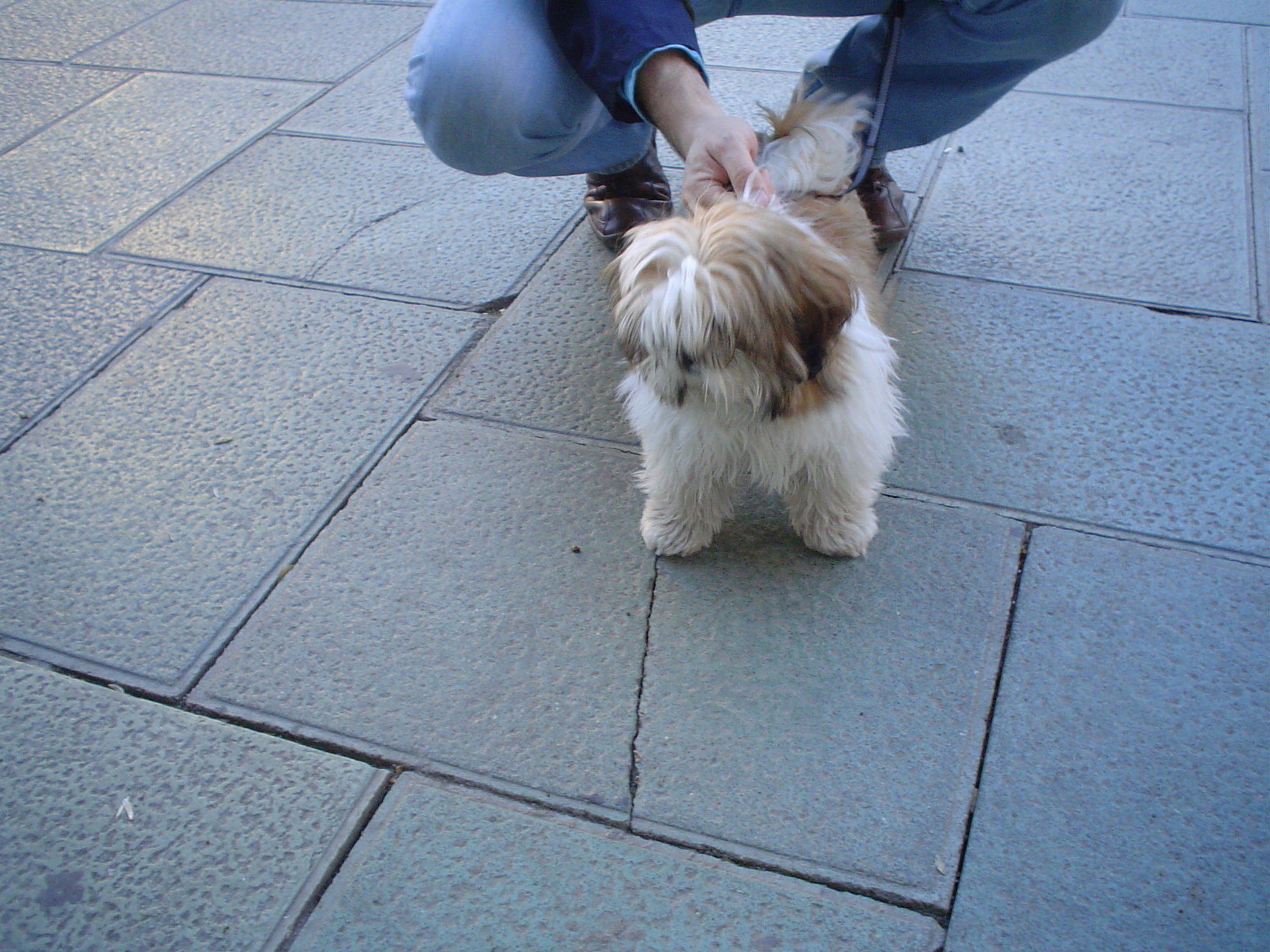
    The Shih Tzu is a sturdy toy companion with a long double coat, short muzzle, and sociable reputation. The breed often adapts well to indoor life, but small size does not remove the need for exercise, training, dental care, grooming, and careful monitoring in heat. Facial structure varies, and comfortable breathing must take priority over an extremely flat appearance.

    Shih Tzu at a glance: usually 9–10.5 inches tall and 9–16 lb; long double coat; moderate activity; life expectancy commonly 10–18 years; daily coat and facial care; increased heat and airway awareness.

    Is a Shih Tzu right for you?

    A Shih Tzu can suit someone seeking an affectionate small companion that enjoys daily walks and household activity without endurance-level exercise. Many like visitors and family attention, but temperament still varies. The breed usually dislikes long periods without company and needs gradual practice being alone.

    Owners must budget time for coat, eye, dental, and skin care. A short pet clip reduces tangles but does not eliminate grooming. Because the breed is brachycephalic, hot weather, obesity, airway noise, and stressful exertion deserve particular attention.

    Size, lifespan, coat, and appearance

    Trait Typical Shih Tzu
    Height Ideally about 9–10.5 inches at the shoulder
    Weight Usually 9–16 lb
    Life expectancy Commonly 10–18 years, with individual variation
    Coat Long, dense double coat; often kept in a short pet trim
    Build Compact, solid toy dog with a tail carried over the back

    Many colors and combinations are recognized. Coat color does not determine health or personality. “Imperial” and “teacup” are marketing terms rather than separate recognized sizes, and breeding for extreme smallness can increase fragility and health risk.

    Temperament and family compatibility

    Shih Tzu are often playful, outgoing, and people-oriented. Some are confident with strangers while others need time and positive exposure. Early social development should include gentle handling, grooming, household sounds, surfaces, friendly people, and suitable animals.

    They may live well with considerate children, but adults should supervise. Teach children to sit for interaction, support the dog’s body, and never carry, squeeze, chase, or disturb a resting dog. Provide a quiet retreat where the dog cannot be followed.

    Introduce dogs and cats gradually using separate resources and brief supervised meetings. A small Shih Tzu can be injured by rough play with a much larger dog even when neither animal is aggressive.

    Exercise, enrichment, and heat safety

    Healthy adults benefit from daily walks and play in several moderate sessions. Scent searches, food puzzles, trick training, and gentle retrieve add mental activity. Puppies need shorter exercise with rest, while senior dogs may need slower outings.

    Avoid hard exercise in hot or humid weather. Walk during cooler hours, carry water, choose shade, and stop for heavy panting, slowing, noisy breathing, seeking cool ground, or distress. Never leave a dog in a parked vehicle. A brachycephalic dog can overheat quickly.

    Use a well-fitted harness when recommended to reduce pressure on the neck. Secure balconies, stairs, pools, and fence gaps. A Shih Tzu should live indoors with the family rather than being housed outside.

    Training, house habits, and time alone

    Short reward-based sessions work best. Teach name response, recall, loose-leash walking, settling, handling, carrier entry, and exchanging objects. Harsh correction can create fear and does not show the dog what to do instead.

    For house training, provide frequent outdoor opportunities after waking, eating, play, and excitement, then reward immediately. Consistency matters more than punishment. Persistent accidents or sudden changes in urination require veterinary assessment.

    Build alone time gradually from seconds to minutes while the dog remains relaxed. Barking, destruction at exits, drooling, soiling only when alone, or self-injury may indicate separation-related distress. Seek veterinary and qualified behavior help rather than leaving the dog to “cry it out.”

    Feeding and healthy weight

    Feed a complete and balanced diet appropriate for life stage and health. Measure meals, include training rewards in the daily total, and monitor body condition beneath the coat. Extra weight can worsen breathing, heat tolerance, joint strain, and mobility.

    Ribs should be easy to feel beneath a light covering and a waist should be visible from above. Ask a veterinarian to set an individual calorie target after neutering or when activity changes. Weight loss should be gradual and professionally guided.

    A wide shallow bowl may help some short-faced dogs, but difficulty chewing, swallowing, or breathing during meals needs veterinary assessment. Fresh water should always be available. Secure chocolate, xylitol, grapes, raisins, medicines, and rubbish.

    Coat, eyes, ears, and nail care

    A long coat needs daily combing to the skin, especially behind ears, under legs, around the collar, belly, and feet. Short clips still require regular brushing and professional trimming. Never cut tight mats with scissors close to the skin.

    Keep facial hair out of the eyes with safe trimming or a comfortable topknot. Clean facial folds gently and keep them dry. Persistent discharge, redness, squinting, cloudiness, rubbing, odor, or skin soreness needs veterinary care.

    Inspect ears for redness, odor, discharge, or repeated shaking. Trim nails before they alter gait. Use dog-safe shampoo and dry the coat thoroughly without overheating.

    Dental health, breathing, and veterinary care

    Brush teeth daily with dog toothpaste if possible and arrange professional assessment when advised. Small jaws can crowd teeth. Bad breath, bleeding gums, loose teeth, facial swelling, or dropping food signals pain or disease.

    A Shih Tzu should breathe comfortably at rest. Persistent snoring while awake, exercise intolerance, gagging, collapse, blue gums, or open-mouth distress needs assessment. Seek urgent care for severe breathing difficulty, heat illness, collapse, seizures, inability to urinate, suspected poisoning, or significant eye injury.

    Responsible breeding programs should document relevant eye and patellar evaluations and discuss kidney, airway, dental, hip, and other conditions in their lines. Screening lowers risk without guaranteeing lifelong health. Routine examinations, vaccination based on exposure, parasite prevention, and dental care remain essential.

    Reproduction, neutering, and responsible ownership

    Breeding requires mature dogs with stable behavior, functional airways, appropriate health results, sound structure, compatible pedigrees, and resources for pregnancy, birth, emergencies, puppy social development, and lifelong placement support. Extreme flatness or tiny size should never be selected at the expense of welfare.

    Discuss spaying or neutering with a veterinarian according to individual health and pregnancy-prevention needs. Until then, securely separate intact males and females whenever mating is possible. Follow local licensing, leash, identification, housing, and breeding rules.

    Choosing a puppy or rescue Shih Tzu

    A responsible breeder should explain health results, breathing and eye care, grooming, temperament, social development, contract terms, and return policy. Observe adult relatives breathing and moving. Avoid sellers promoting “teacup” size, extreme faces, rare-color premiums, guaranteed health, or immediate shipping without screening the home.

    Shih Tzu and mixes frequently enter shelters and rescues. Ask about airway, eyes, teeth, skin, knees, grooming tolerance, house habits, other pets, and time alone. An adult dog’s established size and care needs may make matching easier.

    Common questions

    Are Shih Tzu good family dogs?

    Many are affectionate companions, but children need supervision and gentle handling, and each dog’s temperament should be assessed individually.

    How much exercise does a Shih Tzu need?

    Healthy adults need daily walks and play in moderate sessions, adjusted for age, health, temperature, humidity, and breathing comfort.

    Do Shih Tzu need daily grooming?

    Long coats need daily combing, while short pet clips still require regular brushing, trimming, facial cleaning, and professional care as needed.

    Are Shih Tzu hypoallergenic?

    No dog is reliably allergen-free. Their coat may release less loose hair than some breeds, but allergens come from skin, saliva, and urine.

    Is a teacup Shih Tzu a separate breed?

    No. “Teacup” and “imperial” are marketing terms, and deliberately extreme smallness can add health and injury risks.

    Readers weighing small long-coated companions can compare the Yorkshire Terrier guide, including its terrier behavior and dental-care needs.

    Sources and image credit

  • Bengal

    Bengal

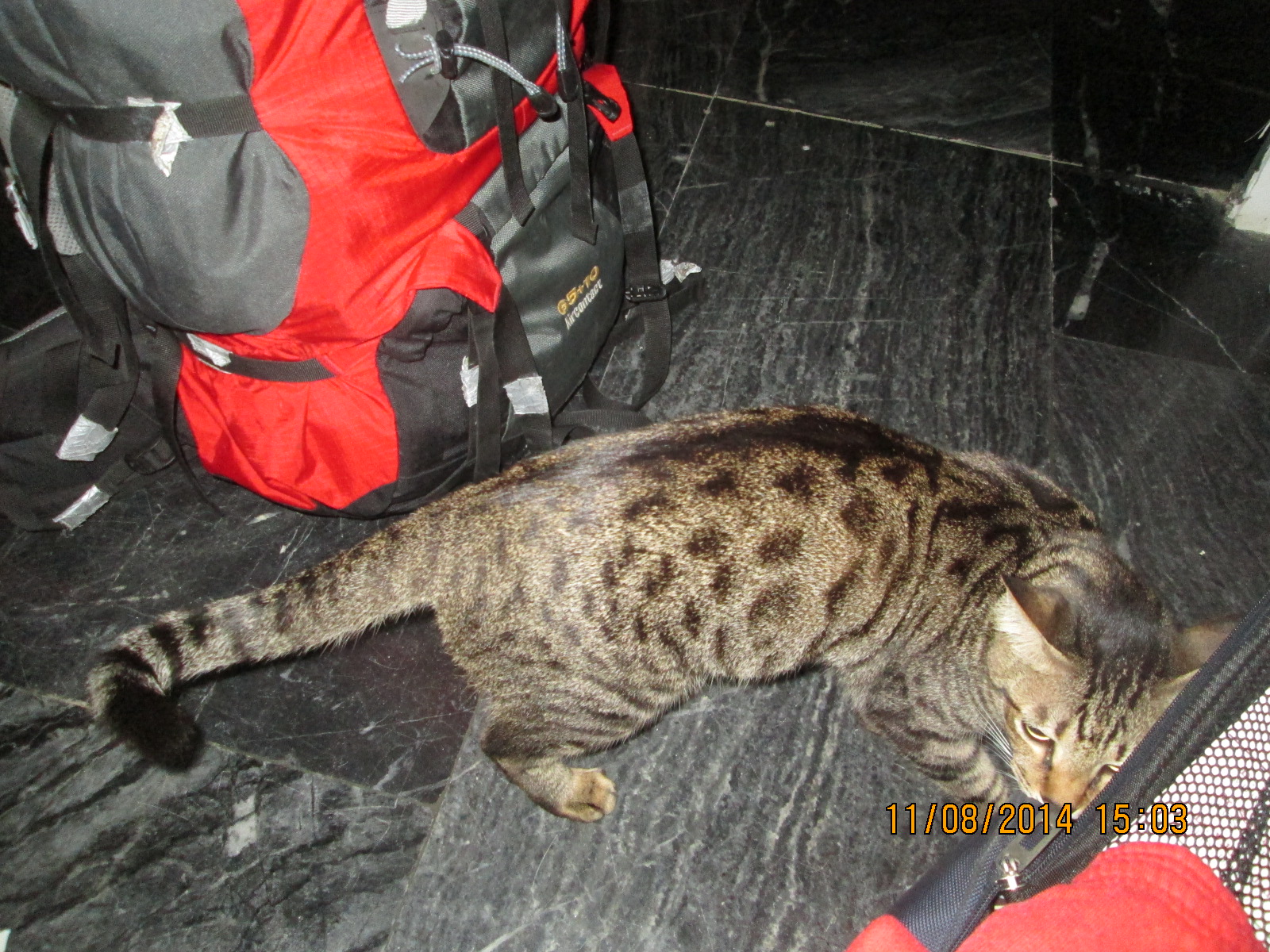
    The Bengal is an athletic domestic cat breed known for a spotted or marbled coat, muscular build, and intense curiosity. Modern registered Bengals are bred Bengal-to-Bengal, although the breed’s history includes the Asian leopard cat. Their striking appearance attracts attention, but a suitable home must be prepared for high activity, climbing, interactive play, training, and secure management.

    Bengal at a glance: medium-to-large athletic cat; females often 6–12 lb and males 9–15 lb; short dense coat; high activity; full size near age two; life expectancy commonly 12–20 years depending on genetics and care.

    Is a Bengal right for you?

    Bengals often thrive with people who enjoy an active, highly interactive cat. Many investigate cupboards, climb high surfaces, learn routines quickly, and demand shared play. A quiet decorative pet is an unrealistic expectation. Without sufficient outlets, some may vocalize, disturb other pets, damage objects, or develop repetitive behavior.

    Prospective owners should also check local rules. Early-generation hybrids and sometimes later generations may be restricted by national, regional, municipal, housing, or insurance policies. Confirm legality and documentation before acquiring a cat, and do not assume every spotted cat has wild ancestry.

    Size, lifespan, coat, and appearance

    Trait Typical Bengal
    Adult weight Females often 6–12 lb; males often 9–15 lb
    Maturity Generally reaches full size around age two
    Life expectancy Often 12–20 years, depending on genetics, environment, and care
    Coat Short, dense, soft, spotted with rosettes or marbled
    Build Muscular, balanced, agile, and medium to large

    Recognized colors include brown, silver, and several snow forms under registry terminology. “Glitter” describes a light-reflecting quality present in some coats and is not a health requirement. Pedigree records establish breed identity; markings alone do not prove that a cat is a Bengal.

    Temperament and family compatibility

    Bengals are often confident, curious, social, and communicative, although individual temperament varies. Many follow people, participate in household activity, and learn games. Some are more reserved or sensitive. Breed labels never guarantee affection, lap sitting, or comfort with children.

    They can live successfully with respectful older children and compatible pets after gradual introductions. Fast movement can trigger chase, and vigorous play may overwhelm timid animals. Provide each pet separate food, litter, resting places, and escape routes. Rabbits, birds, rodents, reptiles, and fish need secure enclosures because prey interest remains possible.

    Exercise, climbing, and enrichment

    Plan several interactive play sessions each day using wand toys, rolling toys, tunnels, and controlled retrieve. Add food puzzles, scent searches, clicker training, and safe objects to investigate. Rotate toys, and store strings or feathers after supervised use.

    Provide tall, sturdy cat trees, shelves, scratching posts, and safe landing zones. Anchor furniture that could tip. A cat wheel may suit some Bengals after gradual reward-based introduction, but it does not replace social play or exploration. Schedule calm periods so the cat learns to settle as well as act.

    Many Bengals show interest in running water. Secure toilets, aquariums, washers, baths, and cleaning products. Outdoor access is safest in a catio or on a harness after indoor training. Free roaming creates risks from vehicles, fights, toxins, theft, and wildlife conflict.

    Training and household management

    Reward-based training can teach carrier entry, recall, stationing, harness skills, cooperative nail care, and redirection from counters or doors. Short sessions with small rewards work well. Punishment, spray bottles, or startling devices can create fear and do not meet the underlying need for activity.

    Use secure latches on food cupboards and windows. Reward appropriate climbing and scratching near the locations the cat chooses. If nighttime activity disrupts sleep, increase evening play followed by a meal and keep a predictable routine rather than confining the cat without enrichment.

    Persistent over-grooming, tail chasing, aggression, house soiling, or extreme vocalization needs veterinary assessment before being treated as a training problem. Pain, urinary disease, skin disease, and anxiety can change behavior.

    Feeding and healthy weight

    Feed a complete and balanced cat food appropriate for life stage and health. High activity does not justify an unbalanced raw or homemade diet. Raw animal products can carry pathogens and may be nutritionally incomplete; homemade diets require formulation by a qualified veterinary nutritionist.

    Measure meals, count training rewards, and monitor body condition. Ribs should be easy to feel under a light covering and a waist should be visible from above. Track weight and adjust portions with veterinary guidance when growth, neuter status, activity, or health changes.

    Fresh water should always be available. Wet food can add dietary moisture, while some cats drink more from wide bowls or fountains. Changes in thirst, appetite, or weight warrant veterinary attention.

    Grooming, teeth, nails, and litter care

    The short coat generally needs weekly brushing to remove loose hair and inspect skin. Grooming requirements increase during shedding or with skin disease. Sudden thinning, itching, odor, or excessive licking needs assessment rather than repeated bathing.

    Trim nails, provide multiple scratchers, and brush teeth with cat toothpaste. Bad breath, drooling, bleeding gums, or difficulty eating needs veterinary care. Use reward-based handling and stop before the cat struggles.

    Provide one roomy litter box per cat plus one extra in separate quiet locations. Scoop daily. High-energy cats may avoid boxes blocked by another pet, and sudden elimination changes can signal urinary or digestive disease. Straining to urinate is an emergency.

    Health screening and veterinary care

    Responsible Bengal breeding programs should document relevant screening and family history. UC Davis offers DNA testing for Bengal progressive retinal atrophy, an autosomal recessive condition that can cause progressive blindness, and pyruvate kinase deficiency testing is also available. DNA results address only the variants tested and do not replace eye examinations or other veterinary assessment.

    Ask about cardiac screening for hypertrophic cardiomyopathy, patellar evaluation, and conditions known in the breeder’s lines. Screening lowers risk without guaranteeing lifelong health. Routine care includes examinations, vaccination based on exposure, parasite prevention, dental care, and lean body condition.

    Seek urgent help for open-mouth or difficult breathing, collapse, sudden hind-leg weakness, seizures, inability to urinate, severe injury, or suspected poisoning. Vision changes, repeated vomiting, reduced appetite, or abrupt behavior change also deserve prompt assessment.

    Reproduction, neutering, and legal responsibilities

    Breeding requires mature registered cats with stable behavior, appropriate health results, compatible pedigrees, and resources for pregnancy, birth, emergencies, kitten social development, screening homes, and lifelong return support. Breeding should not reintroduce wild cats into pet lines.

    Discuss spaying or neutering with a veterinarian based on health and pregnancy prevention. Securely separate intact males and females whenever mating is possible. Check local ownership, generation, licensing, identification, breeding, housing, and import rules before obtaining a Bengal.

    Declawing removes part of each toe and should not be a routine answer to scratching. Provide suitable scratchers, nail care, environmental design, and training instead.

    Choosing a kitten or rescue Bengal

    A responsible breeder should explain pedigree generation, legal requirements, temperament, health tests, social development, vaccination, contract terms, and return policy. Buyers should see where kittens are raised and meet appropriate relatives. Avoid sellers promoting wildness, exaggerated size, guaranteed temperament, or immediate shipping without screening the home.

    Bengals and spotted mixes also enter shelters and breed rescues. Ask what pedigree evidence exists rather than relying on markings. Review activity, handling, other pets, door-dashing, litter habits, and time alone. An adult cat with established behavior may be easier to match.

    Common questions

    Are Bengal cats good family pets?

    They can thrive with active families that provide daily enrichment and supervise children, but their intensity and chase behavior may not suit every household.

    How much exercise does a Bengal cat need?

    Most need several daily sessions of interactive play, climbing, exploration, and mental work, with exact needs varying by age, health, and personality.

    Do Bengal cats like water?

    Many investigate running water, but interest varies. Always secure baths, toilets, aquariums, and appliances to prevent accidents.

    Are Bengal cats hypoallergenic?

    No. Allergens come mainly from saliva and skin secretions, and no cat breed is reliably allergen-free.

    Are Bengal cats legal everywhere?

    No. Rules can depend on jurisdiction and generation, so check current local laws, housing terms, and insurance conditions before acquisition.

    The Siamese guide provides a useful comparison for vocal behavior and social needs, while the Savannah Cat guide covers another athletic spotted cat with distinct ancestry and legal considerations.

    Sources and image credit

  • Yorkshire Terrier

    Yorkshire Terrier

    The Yorkshire Terrier, often called a Yorkie, is a toy-sized terrier with a fine blue-and-tan coat and an alert, confident personality. Its small body makes travel and indoor living convenient, but the breed is not a low-effort accessory. Yorkies need daily social contact, training, dental care, safe exercise, coat maintenance, and protection from falls and rough handling.

    Yorkshire Terrier at a glance: about 7–8 inches tall; breed standard weight up to 7 lb; silky continuously growing coat; life expectancy commonly 11–15 years; lively companion requiring grooming and careful dental and injury prevention.

    Is a Yorkshire Terrier right for you?

    Yorkies may suit people who enjoy an involved small companion. Many are affectionate, curious, vocal, and willing to learn. Their terrier heritage can appear as boldness, chasing, digging, and a strong response to movement or noise. A small dog still needs boundaries, enrichment, and gradual exposure to the world.

    Their size brings vulnerability. Falls from arms or furniture, being stepped on, encounters with large dogs, and unsupervised play with young children can cause serious injury. Owners need secure gates, careful handling, a well-fitted harness, and a home routine that prevents accidental access to hazards.

    Size, lifespan, coat, and appearance

    Trait Typical Yorkshire Terrier
    Height Usually about 7–8 inches at the shoulder
    Weight Breed standard weight does not exceed 7 lb
    Life expectancy Commonly 11–15 years, with individual variation
    Coat Fine, glossy, silky hair that grows continuously
    Color Mature coat is blue and tan under the breed standard

    Puppies are born darker and the adult color develops over time. Pet coats are often clipped short for easier care, while show coats require extensive maintenance. “Teacup” is not a separate recognized variety. Deliberately selecting extremely tiny dogs can increase fragility and medical risk.

    Temperament and family compatibility

    Yorkies are often bright, devoted, and more assertive than their size suggests. Some greet strangers readily; others bark or need time to feel comfortable. Early positive exposure to people, surfaces, sounds, grooming, and friendly animals can build confidence without guaranteeing a particular temperament.

    Homes with older, gentle children may be the safest match. Adults should supervise all contact and teach children to sit on the floor, let the dog approach, and never carry, chase, squeeze, or disturb a resting dog. Provide a quiet bed or pen where the dog cannot be followed.

    Yorkies may live with compatible cats or dogs after gradual introductions. Large dogs can injure a toy dog even during friendly play, so size and play style matter. Small pets such as rodents require secure separation because terrier prey interest varies.

    Exercise and enrichment

    Healthy adults need daily walks and play, generally in several manageable sessions. Their short legs cover less ground, but that does not eliminate the need to sniff, explore, and move. Puppies need shorter activity with frequent rest, while senior dogs may benefit from slower, lower-impact exercise.

    Food puzzles, scent searches, trick training, tunnels, and controlled retrieve provide mental work. Reduce meal portions when using food rewards. Avoid forced long-distance running and repeated high jumps, especially before growth is complete.

    Use a well-fitted harness and leash outdoors. Check fences for small gaps and supervise yards because a Yorkie can slip through openings. In cold or wet weather, a light protective layer may help an individual dog, but clothing must fit safely and never replace shelter or supervision.

    Training, barking, and house habits

    Reward-based training should begin immediately. Practice name response, recall, loose-leash walking, calm greetings, settling, trading objects, and cooperative grooming. Short sessions prevent fatigue. Harsh correction can create fear without teaching the desired behavior.

    Yorkies often alert-bark. Meet exercise and social needs, reward quiet pauses, block predictable window triggers, and teach a settle behavior. Complete silence is unrealistic for an alert terrier. Sudden new vocalization may signal pain, fear, hearing change, or another medical issue.

    For house training, provide frequent trips after waking, eating, play, and excitement; reward elimination outdoors immediately. Tiny bladders and bad weather can complicate learning, but punishment for accidents creates anxiety. Persistent changes in urination need veterinary assessment.

    Feeding and preventing low blood sugar

    Feed a complete and balanced diet appropriate for life stage and health. Measure portions because small calorie errors add up quickly. Monitor body condition beneath the coat and ask a veterinarian to set an individual target.

    Very young or extremely small puppies can be vulnerable to hypoglycemia, especially when ill, stressed, or not eating. A responsible breeder and veterinarian should provide a feeding schedule and warning signs. Weakness, trembling, disorientation, collapse, or seizures require urgent veterinary help; do not rely on home remedies instead of care.

    Fresh water should always be available. Secure chocolate, xylitol products, grapes, raisins, medication, rubbish, and small objects. Homemade diets require formulation by a qualified veterinary nutritionist.

    Grooming, ears, nails, and skin

    A long coat needs daily combing to the skin to prevent tangles. Short pet clips still require regular brushing and professional trimming. Pay attention behind ears, under the legs, around the collar, and wherever clothing rubs. Never cut tight mats with scissors close to the skin.

    Keep hair away from the eyes with safe trimming or a comfortable topknot. Redness, discharge, squinting, cloudiness, or rubbing requires veterinary assessment. Inspect ears for odor, discharge, pain, or repeated shaking. Trim nails before they alter movement.

    Use dog-safe shampoo and dry the dog thoroughly without overheating. Sudden hair loss, itching, odor, or flaky skin can signal parasites, allergy, infection, or illness rather than a grooming problem alone.

    Dental health and routine veterinary care

    Dental care is a major responsibility in toy breeds. Brush daily with dog toothpaste if possible and arrange professional assessment when advised. Retained baby teeth, crowded teeth, tartar, gum inflammation, and tooth loss can cause pain and infection. Bad breath, drooling, facial swelling, or dropping food needs prompt attention.

    Responsible breeding programs should document eye and patellar evaluations and discuss other conditions in their lines, including tracheal collapse, liver shunts, Legg-Calvé-Perthes disease, and low blood sugar in puppies. Screening reduces risk without guaranteeing lifelong health.

    Seek urgent help for breathing distress, collapse, seizures, suspected poisoning, severe injury, inability to urinate, or repeated unproductive retching. Use a harness rather than pressure on the neck if a veterinarian recommends it for airway protection. Never give human pain medicine without veterinary direction.

    Reproduction, neutering, and responsible ownership

    Breeding very small dogs carries real risk for mother and puppies and may require emergency veterinary care. Responsible breeding uses mature dogs with stable behavior, appropriate health results, sound structure, compatible pedigrees, and resources for pregnancy, delivery, neonatal care, and lifelong placement support.

    Discuss spaying or neutering with a veterinarian using the dog’s health and pregnancy-prevention needs. Until then, securely separate intact males and females whenever mating is possible. Owners should follow local licensing, leash, identification, housing, and breeding rules.

    Use a crash-tested carrier or restraint in vehicles. Never allow a Yorkie to ride loose or sit on a driver’s lap. Microchip registration and identification should remain current.

    Choosing a puppy or rescue Yorkie

    A responsible breeder should explain health tests, adult size in the family, temperament, social development, grooming, dental care, contract terms, and return policy. Buyers should see where puppies are raised and meet appropriate relatives. Avoid “teacup” marketing, guaranteed adult weights, rare-color premiums, or immediate shipping without screening the home.

    Yorkies and mixes also enter shelters and breed rescues. Ask about teeth, knees, airway, handling, grooming, house training, barking, other pets, and time alone. An adult dog’s established size and behavior may make matching easier.

    Common questions

    Are Yorkshire Terriers good family dogs?

    They can be affectionate companions, but their fragile size makes supervised interaction and gentle older children especially important.

    Do Yorkies shed?

    Their continuously growing silky coat tends to release less loose hair than many double coats, but no dog is completely non-shedding or allergen-free.

    How much exercise does a Yorkie need?

    Healthy adults need daily walks, play, and mental enrichment, usually split into several sessions suited to their size, age, weather, and health.

    Do Yorkshire Terriers bark a lot?

    Many are alert and vocal. Training, enrichment, and managing triggers can reduce unnecessary barking but cannot remove normal terrier tendencies.

    Is a teacup Yorkie a separate breed?

    No. “Teacup” is a marketing term, not a recognized Yorkshire Terrier variety, and deliberately extreme smallness may bring added health and injury risks.

    For other coat-intensive companions, compare the Shih Tzu guide for facial and heat considerations and the Poodle guide for clipping, exercise, and size varieties.

    Sources and image credit